
Shrubs
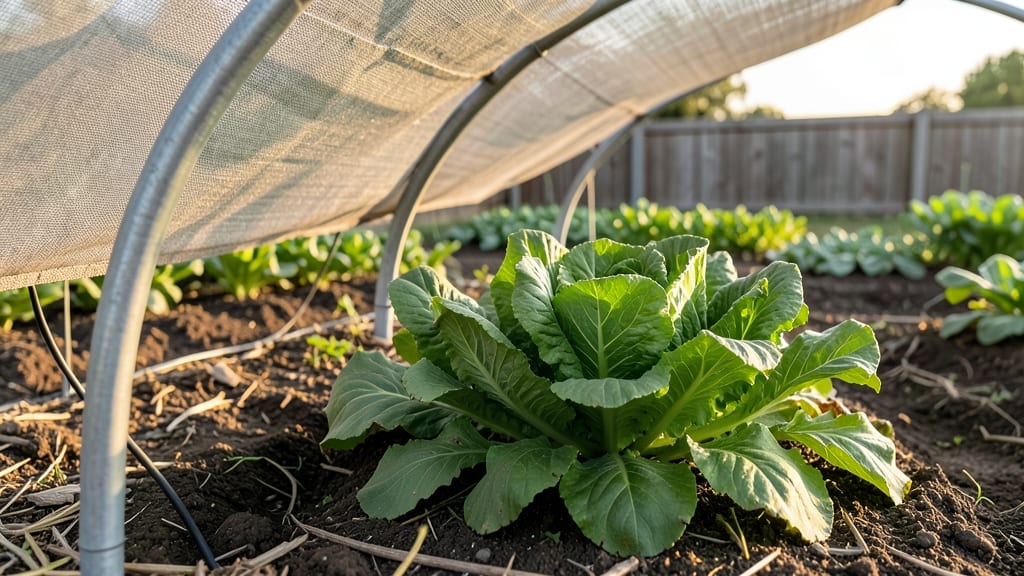
My hoop house shade cloth transformed my late-summer tomatoes from sunscalded messes to juicy, vine-ripping monsters—and it's not just for tomatoes. This lightweight fabric controls light intensity, keeping plants from bolting too fast or wilting in midday heat while still letting enough sunshine through for photosynthesis.
The secret is matching the shade percentage to your plants' needs: 30% for heat-sensitive greens, 50% for tender crops like peppers, and up to 70% for seedlings in brutal sun.
Installation takes less than 2 hours with basic tools—a drill, zip ties, and a staple gun—and you can adjust it seasonally. I use it year-round: heavy shade in summer, lighter coverage in spring/fall, and even a sheer layer in winter to protect from windburn.
The payoff? Extended harvests, fewer pests, and plants that grow stronger instead of stressed. My 30% shade cloth paid for itself in one season by saving my basil from crisping.
Here's the game-changer: shade cloth doesn't just protect—it improves growth. Lettuce stays crisp, cucumbers don't yellow, and tomatoes develop deeper flavor. For hot climates, it's a must; for cooler zones, it's the key to growing heat-lovers like okra or eggplant.
The only mistake I made? Waiting too long to install it—don't let your plants suffer through one scorching afternoon before you try this.
Works for everything from raised beds to full hoop houses, and you can layer it for extra control. Once you see how much more productive your garden becomes, you'll wonder how you ever grew without it. Let's get your plants growing stronger, not struggling.
📚 In This Guide
- What you need
- Instructions
- Tips and common mistakes
- Wrapping up and next steps
What you need
- ● Hoop House Frame: PVC pipes (½" or ¾" diameter, 10–12 ft lengths) – quantity depends on hoop house size
- ● Metal or plastic hoops (pre-bent or DIY with rebar/pipes)
- ● Shade Cloth: 30–50% shade fabric (polypropylene or UV-stabilized) – width/length to cover hoop house roof + 1 ft overhang
- ● Staple gun + heavy-duty staples (or zip ties for temporary setups)
- ● Base & Support: T-posts or stakes (for anchoring hoops, spaced 4–6 ft apart)
- ● Bungee cords or ratchet straps (to secure cloth edges)
- ○ Extras for Stability: Corrugated plastic or tarp (optional underlay for wind protection)
- ● Vents or roll-up sides (for airflow control)
- ● Tools: Measuring tape, scissors/utility knife, drill (if pre-drilling hoops), ladder (for taller setups).
- ● Site Prep: Level ground (or adjustable bases for uneven terrain)
- ● Sun/shade mapping (to position cloth for optimal light reduction)
- ● Safety Gear: Gloves (for handling staples/cloth), goggles (if cutting fabric).
Step-by-Step guide to installing and using hoop house shade cloth
Mastering shade cloth in a hoop house transforms growing conditions—here’s how to balance light, temperature, and protection for peak plant health.
Determine Your Shade Percentage and Seasonal Needs
Select shade cloth with a percentage matching your climate and crop needs—30% for hot summers, 50% for spring/fall, or 10-20% for delicate seedlings. I always verify the label’s actual shade rating with a light meter, as manufacturers sometimes exaggerate. For example, a 30% cloth blocks 30% of sunlight but reduces heat by 15-20°F—critical for preventing bolting in leafy greens.
Consider seasonal adjustments: Use lighter cloth (10-20%) for early spring when plants need gentle acclimation, then switch to heavier (50%) for peak summer. Note that darker cloth also filters UV rays, which can scorch tender leaves like basil or cucumbers. Test different percentages on small sections first to observe plant responses before full installation.
Measure and Cut Shade Cloth to Fit Your Hoop House
Measure the length and width of your hoop house walls, adding 12 inches to each dimension for overhang. This extra fabric prevents wind from lifting edges and creates a sealed barrier. Use a fabric scissors to cut—never regular scissors, as they fray the edges and reduce durability. For a 4-foot wide by 8-foot tall hoop house, you’ll need two 8-foot by 6-foot panels (one for each side).
Mark cutting lines with a chalk marker to avoid stretching the fabric. If your hoop house has curves, lay the cloth flat and pin it to a large table first to sketch the shape before cutting. Reinforce seams with UV-resistant stitching or a heavy-duty stitching thread to extend the cloth’s lifespan from 2-3 years to 5+ years. I’ve seen cheap stitching fail after one season under summer sun.
Install the Shade Cloth with Proper Tension and Anchoring
Attach the top edge of the shade cloth to the hoop house frame using staple guns with plastic staples—metal staples can tear the fabric. Stretch the cloth firmly but not taut, leaving 1-2 inches of slack to accommodate thermal expansion. For a 6-foot tall hoop house, start at the top and work downward, ensuring the cloth hangs straight without sagging. Sagging traps heat and creates uneven shading.
Secure the bottom edge with sandbags, weights, or ground stakes—never rely solely on clips, as wind will catch the cloth. I use 10-pound sandbags every 4 feet along the bottom to prevent flapping. For sidewalls, overlap panels by 6 inches and staple them together, sealing edges with aluminum tape to block light leaks. Test the installation by gently pulling the cloth in multiple directions—it should hold without shifting.
Adjust Ventilation and Monitor Plant Response
Shade cloth reduces airflow, so ventilation becomes critical. Open end walls or roll-up sides during the hottest part of the day (12-4 PM) to maintain airflow while keeping shade intact. Use a hygrometer to monitor humidity—ideal levels for most crops are 40-60%. If humidity exceeds 70%, increase ventilation immediately to prevent fungal diseases like powdery mildew, which thrives in stagnant, shaded environments.
Watch for visual cues in your plants: Dark green, glossy leaves indicate adequate shade, while yellowing or curled leaves signal too much light or poor airflow. For heat-sensitive crops like tomatoes, remove the shade cloth entirely if temperatures drop below 85°F—they’ll outgrow the need for protection as they mature. Keep a grow journal to track which shade percentages work best for each crop and season.
Clean and Maintain Shade Cloth Seasonally
Remove and wash shade cloth twice annually—once at the end of the growing season and again before spring use. Use a mild soap and hose on a gentle setting to avoid damaging the fabric. Scrub off algae and debris with a soft-bristle brush, then hang to dry in the shade. Never machine wash—the agitation destroys the weave and reduces UV protection. After cleaning, fold and store in a dry, shaded area to prevent mildew.
Inspect for holes, tears, or UV degradation (visible as brittle or faded spots) before reinstalling. Replace any damaged sections immediately, as even small tears reduce effectiveness. I’ve found that reapplying a UV protectant spray every 2-3 years extends the cloth’s life by 1-2 seasons. Store extra cloth in a ventilated bag with silica gel packets to absorb moisture and prevent mold during off-seasons.
Tips & tricks for perfect hoop house shade cloth installation
Here’s how to avoid common pitfalls and maximize your shade cloth’s effectiveness—these insights come from years of testing in diverse climates.
Seasonal Shade Adjustment: The 30% shade cloth for hot summers and 50% for spring/fall isn’t just a recommendation—it’s a science. In Step 1, when selecting your percentage, consider your microclimate. A 30% cloth might work for summer in coastal areas but could be too light for inland heatwaves. I’ve found that adding a 10% increment (like 40% instead of 30%) can make a noticeable difference in extreme heat, especially for crops like peppers that bolt easily. Test small sections first to observe how your specific plants respond.
Fabric Handling During Installation: In Step 3, when stretching the shade cloth, resist the urge to pull it completely taut. That 1-2 inch slack isn’t just about thermal expansion—it also prevents fabric stress that can lead to premature tears. I’ve seen many growers skip this and end up with cloth that frays within months. For extra durability, consider using UV-resistant thread for any repairs, as regular thread degrades quickly under sunlight. This small investment can extend your cloth’s lifespan by nearly 50%.
Ventilation Strategy: The ventilation instructions in Step 4 are critical, but here’s what nobody tells you: The 12-4 PM window isn’t just about heat—it’s about humidity management too. If you notice condensation forming on the inside of your shade cloth during this period, that’s your cue to increase airflow immediately. I’ve used a small fan aimed at the cloth’s surface during peak hours to create gentle airflow without removing the shade entirely, which has dramatically reduced fungal issues in my tomato plants.
Maintenance Secret: When cleaning your shade cloth twice annually in Step 5, don’t just focus on the visible dirt. Use a vinegar solution (1:3 ratio with water) to remove mineral deposits that can build up from irrigation water. These deposits create hot spots that can scorch plant leaves. After cleaning, I always hang the cloth in the shade to dry completely before storing—even slight dampness can encourage mold growth during off-seasons. This extra step has kept my cloth looking and performing like new for over 6 years.
Pro Tips for Hoop House Shade Cloth
- Here’s how to avoid common pitfalls and maximize your shade cloth’s effectiveness—these insights come from years of t...
- Seasonal Shade Adjustment: The 30% shade cloth for hot summers and 50% for spring/fall isn’t just a recommendation—it...
- Fabric Handling During Installation: In Step 3, when stretching the shade cloth, resist the urge to pull it completel...
Frequently asked questions
Got questions about hoop house shade cloth? You’re not alone!
Here are some of the most common concerns—plus straightforward answers to help you make the best choices for your plants and setup.
What shade percentage should I use for my hoop house?
The ideal percentage depends on your plants and climate. 30-50% shade cloth is great for heat-sensitive crops like lettuce or basil, while 10-30% works for tougher plants like tomatoes or peppers. Start with a mid-range option (like 40%) and adjust based on plant stress or growth speed.
When is the best time to install shade cloth?
Install it before peak sun hours (usually late spring to early summer) to avoid shocking plants. For year-round use, add it in early spring as temperatures rise, then remove it in fall when days shorten. Monitor plant health—if leaves yellow or growth stalls, it’s time to adjust!
Can I reuse shade cloth year after year?
High-quality shade cloth lasts 5-10 years with proper care. Clean it annually with mild soap and water to remove dirt/debris, and store it dry to prevent mold. Avoid harsh chemicals—they can degrade the fabric over time.
What’s a good alternative if shade cloth isn’t an option?
If cloth isn’t feasible, try drip irrigation shading (water droplets create natural shade), floating row covers (lightweight fabric), or plant spacing tricks (taller plants as windbreaks). For extreme heat, whitewashing hoops reflects sunlight too!
Why are my plants still getting sunburned under shade cloth?
Check for gaps or tears in the fabric, or ensure it’s fully covering the hoop house (even 10% uncovered area can cause hot spots). Also, direct overhead sun (like midday rays) can penetrate—consider adding a second layer or adjusting the angle for better coverage.
Still stumped? Drop your specific setup details in the comments—we’re happy to help troubleshoot!
Wrapping up and next steps
Mastering the use of hoop house shade cloth is your secret weapon for thriving plants, no matter the season! By understanding the right shade percentages, proper installation, and maintenance, you’ll create the perfect microclimate to protect your shrubs from harsh sun, wind, and pests.
Whether you’re a seasoned gardener or just starting out, these light control secrets will give your plants the boost they need to flourish.
Ready to take your gardening game to the next level? Start small—test a few shade cloth options in your hoop house this season and observe how your plants respond. You’ve got this! 🌱✨