
Companion Plants
Struggling to create a lush garden in low-light areas? These 10 shade and partial sun plants not only thrive together but also enhance each other’s growth, creating vibrant, low-maintenance landscapes year-round.
Hostas with Ferns for Textured Ground Cover

Transform your shady garden corners into a lush, textured paradise by pairing hostas with delicate ferns. This dynamic duo thrives in dappled shade, where hostas’ bold, heart-shaped leaves create a sturdy foundation, while ferns add airy movement and contrast.
Plant hostas in clusters for maximum impact, spacing them 12-18 inches apart, then tuck ferns like maidenhair or ostrich ferns between them. Both plants naturally repel pests—hostas deter slugs with their thick leaves, while ferns’ delicate fronds confuse aphids. Mulch with shredded bark to retain moisture and suppress weeds.
This combination is perfect for beginners or busy gardeners who want low-maintenance beauty. The layered effect creates depth instantly, making it ideal for borders, woodland gardens, or under trees. 🌿
Heuchera and Coral Bells for Colorful Contrast

Want a partial shade garden that pops with color without the fuss? Pair heuchera (also called coral bells) with coral bells for a showstopping contrast that lasts all season. While hostas and ferns create texture, this duo delivers bold hues and delicate blooms that dance together effortlessly.
Start with heuchera for its vibrant foliage—available in shades of purple, lime, silver, or deep red—that thrives in 3-6 hours of sun. Plant it alongside coral bells, which produce airy clusters of pink, white, or red blooms from late spring to fall. Both plants share similar water needs, making maintenance a breeze. For extra drama, choose varieties like 'Palace Purple' heuchera with 'Juno' coral bells—their purple and pink tones create a magical contrast.
This combination is perfect for urban gardeners with limited space or beginner gardeners who want low-maintenance color. The foliage stays vibrant even in winter, ensuring your garden remains a standout year-round. 💚
Astilbe and Japanese Painted Ferns for Moisture-Loving Spots

Turn those soggy corners of your garden into a lush, thriving oasis with astilbe and Japanese painted ferns—two plants that don’t just tolerate damp soil but thrive in it. While other plants wilt in boggy areas, these moisture-loving companions create a serene, textured display that’s perfect for shady spots where water lingers.
The feathery plumes of astilbe reach upward in soft pinks, whites, or purples (summer through fall), while Japanese painted ferns add delicate, silvery-gray foliage with hints of purple. Plant them in partial to full shade with consistently moist (but not waterlogged) soil—ideal for rain gardens, pond edges, or low-lying areas. Mulch with organic matter to retain moisture and suppress weeds, and watch them flourish with minimal fuss.
This pairing is a game-changer for gardeners with wet spots, offering both beauty and functionality. Perfect for woodland gardens, container arrangements, or even as a striking border, these plants prove that even the trickiest areas can become highlights. 🌿
Lungwort and Bleeding Heart for Early Season Interest

When your garden still looks bare in early spring, lungwort and bleeding heart step in to save the day. These shade-loving perennials burst into bloom as soon as temperatures rise, offering delicate pink flowers and striking foliage when most other plants are still dormant.
Plant lungwort (Pulmonaria spp.) for its unique spotted leaves that transition from silver to green, while bleeding heart (Dicentra spectabilis) provides heart-shaped blooms on arching stems. Both thrive in partial to full shade and well-draining soil, making them perfect for woodland gardens or north-facing beds. Their early blooms attract pollinators and create a magical, ethereal display that lasts 4-6 weeks.
This pairing is ideal for beginner gardeners or anyone craving instant color—just add mulch to retain moisture and protect roots. You’ll have a showstopping spring display with minimal effort! 🌷
Sweet Woodruff and Wild Ginger for Fragrant Ground Covers

Transform your darkest garden corners into a fragrant sanctuary with sweet woodruff (Galium odoratum) and wild ginger (Asarum canadense). These shade-loving perennials spread effortlessly to form lush, low-growing carpets that stay green year-round, even in areas where other plants struggle.
Sweet woodruff releases a vanilla-like scent when crushed, making it perfect for pathways or underfoot planting, while wild ginger offers heart-shaped leaves with subtle purple undersides. Both thrive in deep shade with moist, well-drained soil—ideal for woodland gardens or beneath trees. Plant them in spring or early fall, spacing them 12-18 inches apart to allow gentle spreading without becoming invasive.
These fragrant ground covers are ideal for gardeners seeking low-maintenance, sensory-rich additions that attract pollinators while suppressing weeds. Perfect for urban courtyards or shady borders, they’ll reward you with a whisper of vanilla every time you brush past. 🌿
Hydrangeas and Brunnera for Hydration-Loving Pairings

Want a partially shaded border that feels like a lush, high-maintenance garden without the fuss? Pair hydrangeas with brunnera—these two moisture-loving plants create a stunning, cohesive look while requiring minimal effort. Their shared water needs mean you’ll only need to water once or twice a week, keeping both thriving with minimal upkeep.
The key to this pairing lies in their complementary textures: brunnera’s silver foliage and delicate blue flowers contrast beautifully with hydrangea blooms, which can range from pink to blue depending on soil pH. Plant them together in morning sun with afternoon shade for optimal growth, and mulch heavily to retain moisture. This combo works especially well in borders or along fences where their heights (2-3 feet for brunnera, 3-5 feet for hydrangeas) create natural layers.
Perfect for gardeners who love drama without the work, this duo thrives in humid climates and adds year-round interest with brunnera’s foliage keeping the show going even when hydrangeas aren’t in bloom. 🌿
Japanese Anemones and Solomon’s Seal for Late-Season Bloom

When summer blooms start fading, Japanese anemones burst into color with their delicate pink or white flowers, while Solomon’s seal adds graceful arching stems and clusters of berries—keeping your garden vibrant well into fall.
These companions thrive in partial shade, with anemones needing 3-6 hours of sun and Solomon’s seal tolerating even deeper shade. Plant anemones in the back for height (they reach 3-5 feet), letting Solomon’s seal spill forward with its 18-inch stems. Both prefer well-draining soil and benefit from a layer of mulch to retain moisture.
This duo is perfect for gardeners who want late-season interest without high maintenance. The anemones’ blooms attract butterflies, while Solomon’s seal’s berries provide winter structure. 🌻
Daffodils and Alliums for Early Spring Bulbs

Brighten up your garden's early spring with daffodils and alliums, two bulbs that naturalize effortlessly in partial shade. Their cheerful blooms appear before most perennials wake up, offering a stunning pop of color when your garden feels dormant. The strong fragrance of these bulbs also acts as a natural pest deterrent, keeping unwanted critters away from your other plants.
Plant daffodil bulbs in fall, 6 inches deep and 6 inches apart, while alliums prefer slightly shallower planting (4 inches deep). Both thrive in well-draining soil with 3-6 hours of sun, making them perfect for woodland edges or under deciduous trees. Their low-maintenance nature and ability to multiply over time mean fewer chores for you and more blooms year after year.
These bulbs are ideal for beginners or busy gardeners who want reliable, early-season color with minimal effort. Their pest-repelling properties also make them a smart choice for organic gardeners looking to reduce chemical use. 🌟
Caladiums and Impatiens for Tropical Shade Beds

Transform your darkest corners into a tropical oasis with caladiums and impatiens, two shade-loving stars that bring drama and color to deep shade gardens. Unlike other shade pairings, this duo thrives where sunlight barely reaches, making it ideal for north-facing beds, patios, or under dense trees.
Plant caladiums—with their heart-shaped leaves in fiery pinks, purples, and whites—for bold foliage, then tuck in impatiens to spill over edges with cascading red, pink, or white blooms. Both love consistently moist, well-draining soil and benefit from a layer of mulch to retain humidity. For containers, pair them with ferns or sweet potato vine for extra texture.
This combo is perfect for urban gardeners with limited sun or anyone craving a low-maintenance tropical vibe without the upkeep of full-sun gardens. Just keep them sheltered from harsh winds, and you’ll enjoy year-round interest. 🌿
Boxwood and Pieris for Structured Evergreen Pairings

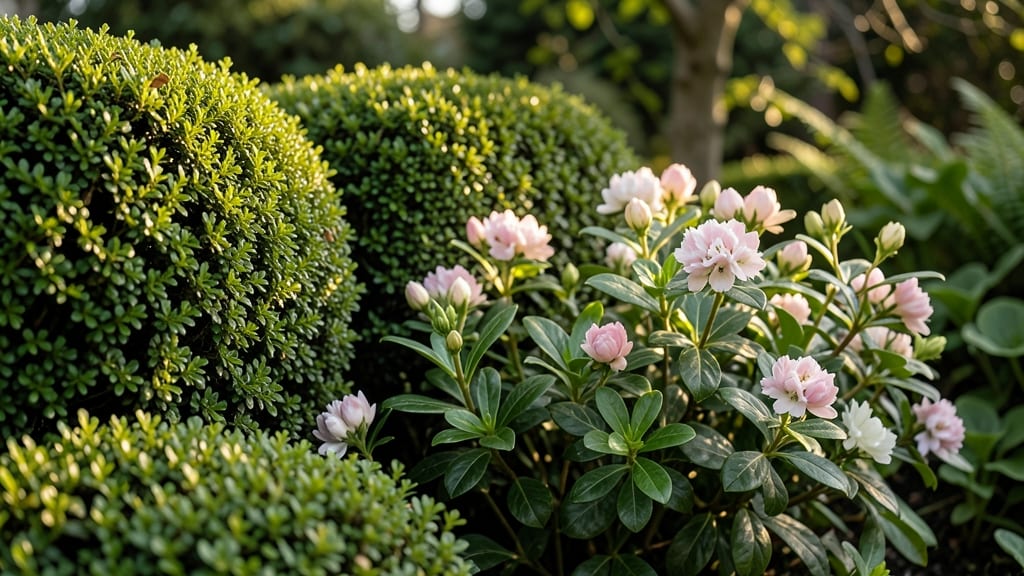
Want a garden that stays elegant and colorful even when other plants fade? Pairing boxwood with pieris delivers year-round structure and early spring blooms in partial shade, making it a low-maintenance powerhouse for formal or naturalistic designs.
Boxwood’s manicured, dense foliage provides the perfect backdrop for pieris’ bell-shaped flowers that cascade like pink waterfalls in late winter to early spring. Both thrive in 3-6 hours of sun and tolerate a wide range of soils, though they prefer well-draining, slightly acidic conditions. Prune boxwood lightly after flowering to maintain shape, while pieris needs minimal care—just remove spent blooms to encourage more flowers next season.
This duo is ideal for gardeners who love timeless elegance but hate high-maintenance plants. Urban gardeners with small spaces will appreciate how well they fit in containers or as hedges, while traditionalists can use them to frame entryways or create structured borders. 🌿