
Companion Plants
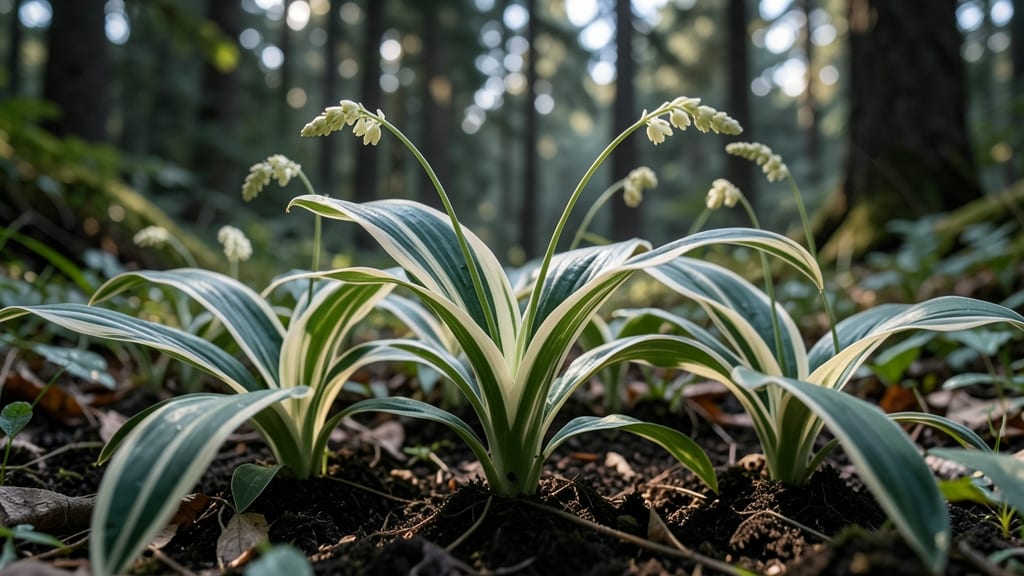
Struggling to create a thriving shade garden? These 10 small shade plants not only survive low light but thrive when planted together, creating a lush, low-maintenance ecosystem. Discover science-backed pairings that enhance growth and beauty.
Hostas with Ferns for Natural Mulching

Tired of battling dry soil and pests in your shade garden? Hostas and ferns create a self-sustaining duo that works like nature's mulch system. The hosta's broad, waxy leaves act as a living shade cloth, protecting delicate fern fronds from drying out while keeping soil temperatures stable.
This pairing thrives in partial shade (3-6 hours of sun) and requires minimal maintenance—just occasional watering during dry spells. Ferns like maidenhair or Japanese painted fern release beneficial compounds that deter slugs and snails, while hostas' dense foliage smothers weeds. The contrast between hostas' bold leaves and ferns' lacy textures creates stunning visual interest with almost no effort.
Perfect for beginners, this combination transforms tricky shade spots into lush, low-maintenance displays that improve over time. 🌿
Impatiens and Begonias for Humidity Lovers

If your garden feels like a steamy greenhouse—whether from morning dew or a humid climate—impatiens and begonias are your dream pair. These moisture-loving plants don’t just tolerate humidity; they thrive in it, creating a lush, vibrant display that’s perfect for shaded spots where other plants wilt.
Plant impatiens (with their bright red, pink, or white blooms) alongside begonias (known for their glossy leaves and delicate flowers) in well-draining soil with morning sun or dappled shade. Their dense foliage naturally suppresses weeds by blocking sunlight, while their flowers attract bees and butterflies, turning your shade garden into a pollinator magnet. For extra humidity, group pots together or place them near a water feature.
This pairing is ideal for urban gardeners with limited space or anyone who loves low-maintenance color. Just keep the soil consistently moist (but not soggy) and watch your shade garden burst into life. 🌻
Sweet Woodruff Under Tree Canopies

Tired of struggling with barren spots under your trees? Sweet woodruff transforms those forgotten areas into fragrant, weed-free carpets that improve soil health naturally. This shade-loving ground cover thrives where most plants refuse to grow, making it the ultimate solution for deep shade gardens.
Its delicate, heart-shaped leaves spread quickly to create a lush green mat, while releasing a vanilla-like fragrance when crushed—a sensory bonus for any garden path. Beyond its beauty, sweet woodruff suppresses weeds by blocking light and attracts earthworms, enriching the soil over time. Plant it in well-draining soil under deciduous trees for year-round coverage.
Perfect for gardeners seeking low-maintenance solutions, sweet woodruff requires minimal care once established and pairs beautifully with hostas or ferns. 🌿
Heuchera and Coral Bells Pairing

Want a shade garden that pops with color and texture without the fuss? Pair heuchera (aka coral bells) with coral bells—no, wait, that's the same plant! The trick is combining heuchera's stunning foliage with heuchera's close cousin, Heuchera villosa (aluminum plant), alongside coral bells (Heuchera micrantha) for a layered effect. This combo thrives in dry shade, where many plants struggle, while delivering bold hues and delicate blooms.
Start with heuchera varieties like 'Palace Purple' (deep burgundy) or 'Lime Rickey' (chartreuse) for foliage contrast. Plant them alongside coral bells with bell-shaped flowers in pink, white, or lavender. Both love well-draining soil and tolerate drought once established—ideal for urban gardens or under trees. The secret to their success? Mulch with gravel or bark** to retain moisture and highlight their textures.
This pairing is perfect for modern gardeners who crave year-round interest with minimal effort. The foliage stays vibrant through winter, while spring blooms add a delicate touch—no deadheading required! 🌟
Lungwort and Astilbe for Wet Shade

Turn your soggy, forgotten shade spot into a thriving oasis with lungwort and astilbe, two plants that not only love moisture but also create a stunning visual contrast. While other shade plants struggle in damp conditions, these duo thrives where most would rot, making them perfect for rain gardens or areas with poor drainage.
Start by planting lungwort (Pulmonaria)—named for its spotted leaves that resemble diseased lungs—for its medicinal history and silvery-blue foliage. Pair it with astilbe (Astilbe spp.), whose feathery plumes in pink, white, or red bloom from early to mid-summer. Both prefer partial to full shade and moist, well-draining soil, creating a layered effect that adds texture and movement to your garden. Lungwort's low-growing habit makes it ideal for borders, while astilbe's upright stems add height and drama.
This pairing is ideal for gardeners with wet shade areas who want both beauty and practicality. The lungwort's medicinal properties even make it a conversation starter, while astilbe's long bloom time ensures color all season. 🌷
Japanese Painted Ferns with Moss

Want to turn your darkest, trickiest shade spots into a lush, self-sustaining oasis? The Japanese painted fern paired with green moss creates a living tapestry that thrives where other plants struggle. The fern's striking silvery patterns contrast beautifully with moss's velvety texture, while both work together to retain moisture and crowd out weeds.
Plant Japanese painted fern ('Athyrium niponicum') in deep to partial shade (2-6 hours of sun) with consistently moist, well-draining soil. The moss layer helps regulate soil temperature and reduces evaporation, making this combo ideal for under trees or north-facing beds. For best results, layer moss around the fern's base and water gently after planting to encourage establishment.
This pairing is perfect for gardeners who want year-round interest with minimal effort—once established, both plants require little more than occasional watering. The fern's delicate fronds and moss's soft carpet create a woodland garden feel that's both beautiful and practical. 🌿
Dwarf Mondo Grass for Edging

Struggling to keep your shade garden edges neat without constant weeding? Dwarf mondo grass (Ophiopogon japonicus 'Nana') is the secret weapon for clean, weed-free borders that stay lush year-round. This evergreen grass grows just 3-6 inches tall with a spread of 12-18 inches, creating a precise, polished edge that contrasts beautifully with taller shade plants like hostas or ferns.
Its dense, dark green foliage forms a natural barrier that blocks weeds while requiring almost no maintenance—just occasional watering during droughts. For best results, plant in well-draining soil** with partial to full shade, and shear lightly in spring to maintain its compact form. The grass thrives in USDA zones 6-10, making it perfect for northern and southern shade gardens alike.
This is the ideal solution for gardeners who want crisp, professional-looking edges without the upkeep of traditional borders. 🌱
Bleeding Heart with Solomon's Seal

Craving a romantic, vertical garden display that requires almost no effort? The pairing of bleeding heart (Dicentra spectabilis) and Solomon's seal (Polygonatum) creates a natural, arching curtain of color and texture that transforms dull shade corners into living art. While bleeding heart dazzles with its heart-shaped pink or white blooms in spring, Solomon's seal provides year-round structure with its graceful, arching stems and dangling white flowers.
Plant bleeding heart in the center of your shade border (3-6 hours of sun) with Solomon's seal surrounding it to create a layered effect. The seal's upright growth habit naturally supports the bleeding heart's top-heavy blooms, while its deep roots help retain moisture in the soil. Both thrive in moist, well-draining soil and prefer partial shade, making them perfect for woodland gardens or under deciduous trees. For best results, mulch with leaf litter to mimic their natural forest habitat.
This pairing is ideal for gardeners who want season-long interest with minimal maintenance. The bleeding heart's blooms last for weeks, while Solomon's seal provides lush foliage and berries later in the season. Together, they create a dreamy, cottage-garden feel that's both practical and enchanting. ✨
Alum Root for Dry Shade

Struggling to keep plants alive in dry, shady spots where most give up? Alum root (Heuchera sanguinea) is the unsung hero of low-maintenance shade gardens, thriving where others fail. Its deep green, leathery leaves create a dramatic backdrop for its airy white flower spikes that appear in late summer, adding unexpected drama to dark corners.
This drought-tolerant perennial loves dry to medium shade (2-4 hours of sun) and well-draining soil—perfect for under trees or north-facing beds. Unlike moisture-loving shade plants, alum root requires almost no watering once established, making it ideal for forgetful gardeners or water-restricted areas. The secret to its success? Its deep roots access moisture while its waxy leaves reduce evaporation.
Perfect for modern gardeners who want year-round structure with minimal effort, alum root's bold foliage stays vibrant through winter, while its flowers attract pollinators. Pair it with heuchera varieties for a striking, low-maintenance shade garden that requires almost no care. ✨
Variegated Solomon's Seal for Year-Round Interest

Looking for a shade plant that delivers visual drama year-round without the fuss? Variegated Solomon's Seal (Polygonatum odoratum 'Variegatum') is your answer, offering creamy-white striped foliage that stands out against dark green leaves and other shade plants. Unlike many perennials that go dormant in winter, its foliage remains evergreen in mild climates, providing structure and interest through all seasons.
This clump-forming perennial thrives in partial to full shade (3-6 hours of sun) and tolerates a range of soil types, though it prefers well-draining conditions. In late spring, it produces dangling clusters of fragrant white flowers, followed by edible red berries that birds adore—a bonus for wildlife lovers. The plant's arching stems create natural movement in the garden, while its low-maintenance nature makes it perfect for busy gardeners.
Ideal for gardeners seeking long-lasting color with minimal effort, variegated Solomon's seal pairs beautifully with hostas, ferns, or bleeding hearts. Its tolerance for shade and ability to thrive in woodland gardens make it a standout choice for creating layered, textured shade beds. 🌱