
Orchid Care
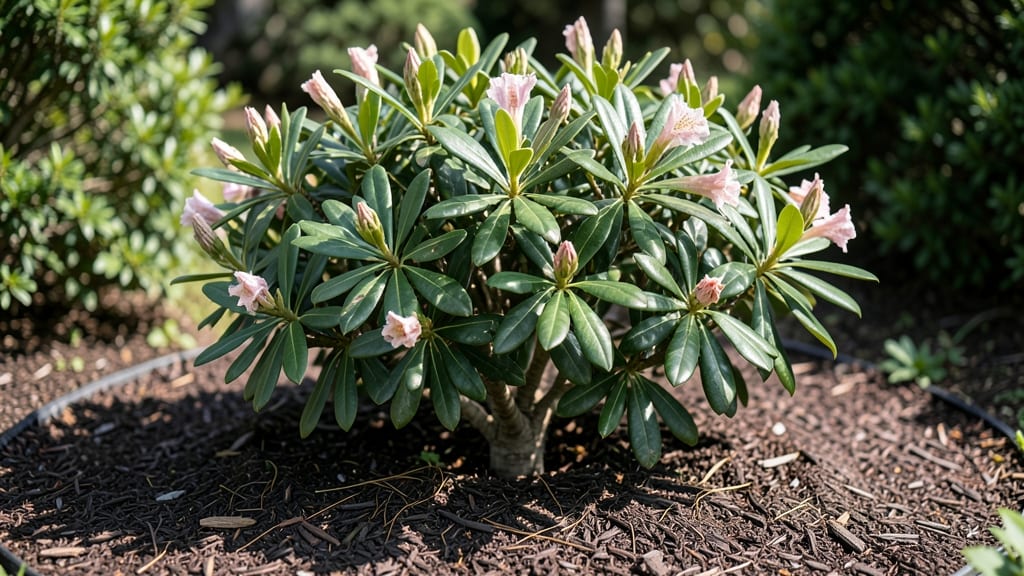
Rhododendrons thrive in shade or sun when you get the balance just right — too much sun scorches their delicate leaves, while too little shade stunts their stunning 🌸 blooms.
Picture this: your rhododendron’s glossy foliage suddenly turns yellow, or its buds refuse to open, no matter how much you water it. The culprit? Light exposure that’s either too harsh or too weak.
These shade-loving shrubs need a gentle touch—morning sun with afternoon shade is ideal, but regional climates change the rules.
From Zone 4’s cooler climates to the Southwest’s intense sunlight, adapting care means adjusting mulch, soil acidity, and even plant placement. The key lies in reading your rhododendron’s leaves: crisp edges? Too much sun. Pale, sparse growth? Not enough light.
In this guide, I’ll break down the exact light conditions your rhododendrons crave, how to fix common mistakes, and regional tweaks to keep them blooming year after year—no guesswork required.
 Best Window Placement
Optimal sunlight conditions for rhododendrons: finding the perfect balance
If you’ve ever watched your rhododendrons struggle with leaf scorch or faded blooms, sunlight exposure is likely the culprit. These stunning shrubs thrive in dappled shade, but too much direct sun or insufficient light can spell disaster.
The key lies in understanding their ideal light balance—where morning sun meets afternoon shade—to keep your plants lush and vibrant year-round.
Most rhododendron varieties prefer 3 to 6 hours of morning sun followed by filtered shade during peak afternoon hours. This mimics their natural understory habitat in temperate forests, where they avoid the harshest rays.
Think of it as giving them a gentle sunbath without the risk of sunburn or dehydration.
| Variety | Sunlight Needs | Shade Tolerance | Bloom Impact |
|---|---|---|---|
| Catawbiense | Morning sun, afternoon shade | High (full shade OK) | Best blooms in partial shade |
| Ponticum | Partial shade (2-4 hrs sun) | Moderate (avoid full sun) | Brightest blooms with filtered light |
| Azaleas (Rhododendron hybrids) | Morning sun, dappled shade | High (tolerates deep shade) | More blooms with consistent light |
| Dwarf varieties (e.g., 'PJM') | Partial shade (3-5 hrs sun) | Very high (ideal for shade gardens) | Compact growth with shade protection |
For regional adjustments, consider your climate. In hot, dry zones (like USDA Zone 7b), rhododendrons need afternoon shade to prevent leaf desiccation. Use lightweight shade cloth (30-50%) if natural shade is scarce.
Conversely, in cooler, cloudy regions (like the Pacific Northwest), they can tolerate more morning sun without stress.
Identifying under-exposure is simpler than you think. Pale, sparse foliage and fewer blooms signal insufficient light. If your rhododendron looks like it’s stretching toward the sky, it’s begging for more bright indirect light.
A quick fix? Prune nearby trees to increase light penetration or move potted plants to a sunnier spot for a few hours daily.
Over-exposure shows up as crispy leaf edges or bleached patches, especially on south- or west-facing sides. If you notice these sunburn symptoms, act fast by providing afternoon shade with a lightweight fabric screen or mulching heavily to retain moisture.
Even one hour of afternoon shade can make a dramatic difference in plant health.
When planting new rhododendrons, observe your garden’s microclimates. A spot near a north-facing wall or under deciduous trees (like oaks or maples) offers perfect dappled light. Avoid south-facing walls or open sunny areas, where intense afternoon sun can overwhelm their delicate foliage.
Pro tip: Test the spot for a week by placing a white sheet of paper in the location—if it gets hot to the touch, it’s too sunny.
Seasonal shifts also matter. In summer, rhododendrons need more shade as temperatures rise, while winter sun can be beneficial for dormant plants. If your rhododendron is evergreen, morning sun in winter helps prevent winter burn from cold, dry winds.
Adjust shade structures seasonally to keep conditions ideal.
One common mistake is assuming "shade" means no light at all. Rhododendrons need some sunlight—just the right kind. If your plant is in deep, dark shade (like under evergreens), it may stop blooming or grow weak, leggy stems.
The solution? Thin out competing plants or prune lower branches to allow filtered light to reach your rhododendron.
For container-grown rhododendrons, sunlight needs shift more frequently. Rotate pots quarter-turns every few weeks to ensure even light exposure and prevent one-sided growth. Place containers on dappled patios or under permanent shade structures to mimic ideal conditions.
And remember: watering needs increase with more sun exposure, so monitor soil moisture closely during sunny spells.
By mastering the art of balanced sunlight, your rhododendrons will reward you with vibrant blooms, glossy foliage, and years of reliable growth.
Start with morning sun and afternoon shade, adjust for your local climate, and watch your plants thrive—no more guesswork, just stunning results. 🌸
Signs your rhododendrons are stressed by light: diagnosis and fixes
If your rhododendrons are struggling, light exposure is often the culprit. These shade-loving shrubs show clear signs when they're getting too much sun or not enough. The key is recognizing symptoms like leaf scorch or yellowing foliage early, so you can adjust their environment before permanent damage occurs.
Too much direct sunlight causes sunburn on leaves, turning edges brown and crispy. On the flip side, insufficient light leads to pale, sparse growth and fewer blooms. Both extremes stress your plants, but the good news is that rhododendrons are resilient with the right care adjustments.
Symptoms: Brown leaf edges, yellowing foliage, sparse blooms
Solution: Move to partial shade (morning sun only) and mulch heavily to protect roots
Critical: Never place rhododendrons in afternoon sun—this causes irreversible damage
Start by examining the leaf edges for crispy brown patches, a classic sign of sunburn. Check the undersides too—if they're yellowing or curling, your rhododendron is struggling with excess light. For plants in full shade, look for stretched growth and weak stems, indicating they're reaching for more light.
Fixing light stress begins with pruning damaged foliage to redirect energy. Next, add a 3-inch layer of mulch (preferably pine bark) to regulate soil temperature. For immediate shade relief, install a lightweight shade cloth (30-50% coverage) during peak sun hours.
If your rhododendron is in a hot climate, consider planting it where it receives morning sun only—this mimics its natural woodland habitat. In cooler regions, you can tolerate slightly more light, but always avoid harsh afternoon rays.
Test your garden's light conditions by observing how shadows move throughout the day.
Remember, rhododendrons thrive in dappled shade, so don't be afraid to experiment with placement. A north-facing window or the base of deciduous trees works perfectly. With these adjustments, your rhododendrons will bounce back with vibrant foliage and abundant blooms next season. 🌿