
Light Requirements
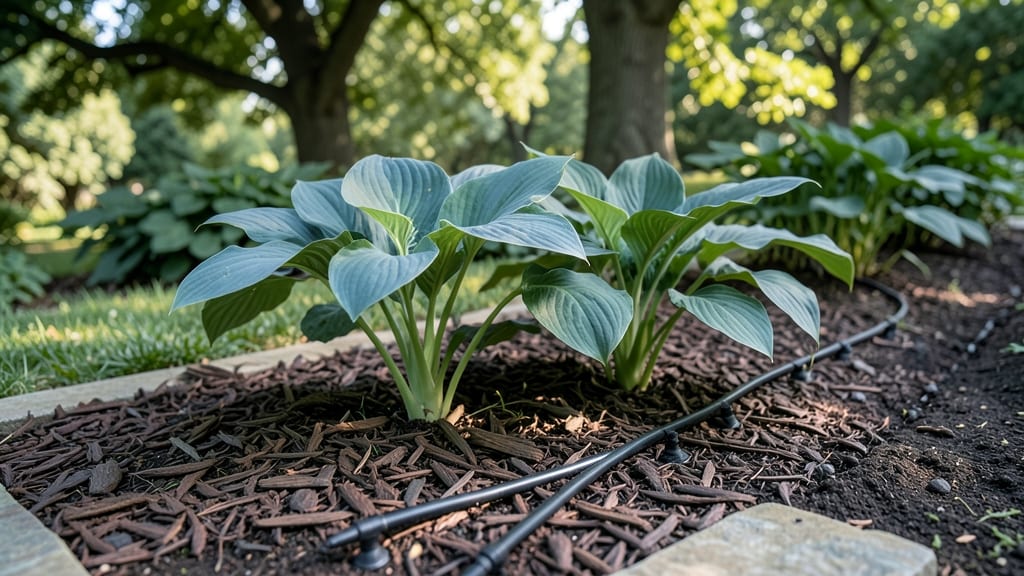
Partial shade describes garden areas that get 3 to 6 hours of direct sunlight daily, complemented by filtered or dappled light for the remaining daylight hours. This light balance creates ideal conditions for plants that thrive in moderate brightness, such as ferns, hostas, and astilbes, while shielding them from intense midday heat.
Understanding partial shade is all about finding that sweet spot between too much sun and not enough. 🌿 The key difference from full sun lies in the intensity—partial shade areas receive bright but indirect light for most of the day, often filtered through tree leaves or building structures.
This creates a cooler microclimate that prevents wilting while still allowing photosynthesis. For instance, a spot under a deciduous tree in summer gets partial shade naturally, while evergreen trees or dense shrubs create more consistent filtered light year-round.
This light pattern isn't just about hours—it's about the quality of light. Plants in partial shade often develop broader leaves to capture more diffuse light, which is why ferns and hostas flourish there.
The challenge comes when gardeners confuse partial shade with full shade (less than 3 hours of sun) or full sun (6+ hours). Over time, plants in mislabeled spots either scorch or fail to bloom, so always observe your garden's light patterns throughout the day before selecting plants.
💡 In This Article
- How Partial Shade Differs From Full Shade and Sunlight
- Best Plants for Partial Shade Gardens
How partial shade differs from full shade and sunlight
The fundamental difference between partial shade and full sun lies in light intensity and duration. Partial shade delivers 3-6 hours of direct sunlight while bathing plants in indirect, filtered light for the remaining daylight hours.
This creates a cooler microclimate (often 10-15°F cooler than full sun areas) by reducing heat stress on leaves and soil. Think of it like wearing a light sweater on a sunny day—enough warmth to feel comfortable, but with protection from overheating.
Full sun areas receive 6+ hours of direct sunlight with minimal obstruction, creating intense heat that can exceed 90°F on summer afternoons. This environment suits drought-tolerant plants like lavender or succulents that thrive with constant light exposure.
In contrast, full shade areas get less than 3 hours of direct sun, often with dense canopy coverage that blocks 70-90% of light. This creates a humid, cooler environment perfect for shade-loving plants like calatheas or maidenhair ferns.
The science behind these differences involves photosynthesis efficiency. Plants in partial shade develop broader leaves to capture more diffuse light, while sun-loving plants have smaller, waxy leaves to reflect excess heat.
For example, a hosta plant in partial shade will produce larger, more vibrant foliage than one in full sun, which may scorch and turn brown. The key is understanding how light quality changes—partial shade offers moderate light intensity (2,000-10,000 lux), while full sun can reach 20,000-100,000 lux.
Natural light patterns create these conditions. Deciduous trees (like oaks or maples) provide seasonal partial shade, blocking harsh afternoon sun in summer while allowing winter sunlight to reach the ground. Evergreen trees or dense shrubs create more consistent partial shade year-round.
Even architectural features like pergolas or lattice structures can filter light, creating intentional partial shade gardens. The challenge is observing these patterns—light shifts throughout the day, with morning sun often being cooler and less intense than afternoon rays.
Consider this comparison: A spot under a 50% canopy coverage tree receives partial shade, while a fully exposed garden bed gets full sun. The partial shade area will have 50-70% light reduction during peak hours, creating ideal conditions for plants that need protection from midday intensity.
This balance is why partial shade gardens often have 20-30% higher moisture retention in soil, as less direct sun reduces evaporation rates.
What most gardeners overlook is how partial shade changes with seasons.
In summer, a spot may receive 5 hours of direct sun, but in winter, that same spot could get only 2 hours—this seasonal shift explains why some plants thrive in partial shade year-round while others struggle during extreme light variations. 🌿