
Plants
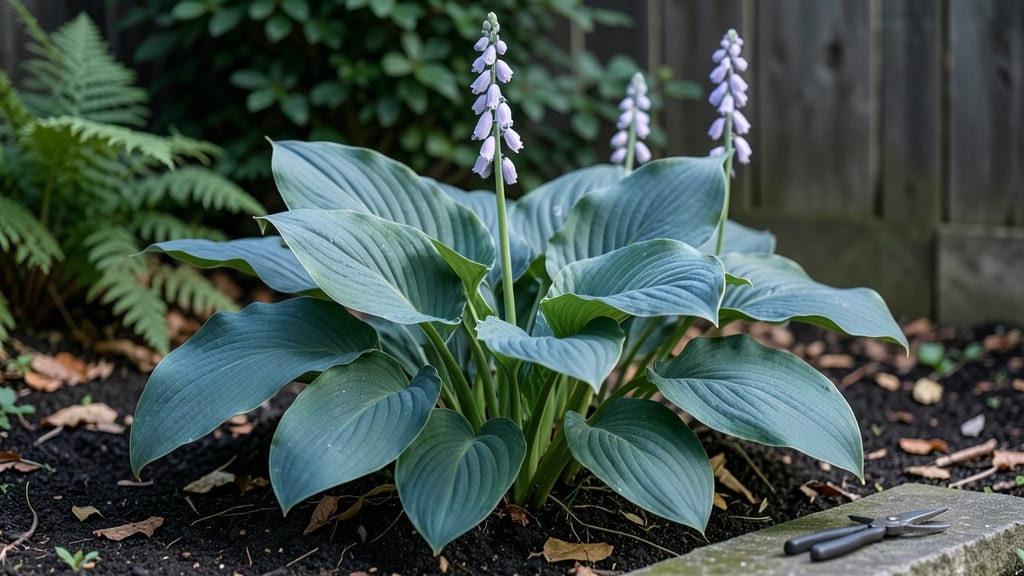
The plants that enjoy shade I’ve planted—like ferns, hostas, and impatiens—turn dark corners into lush retreats. 🌿 The secret lies in matching the right species to your light conditions, whether it’s dappled shade or deep darkness.
Most shade plants need moist, well-draining soil and regular watering, but they reward you with vibrant foliage and minimal fuss. My hostas, for example, spread into a stunning ground cover with almost no care, while ferns add delicate texture and year-round interest.
The key is avoiding soggy soil—too much water is the fastest way to kill these beauties. You’ll end up with a garden that stays green when others fade, plus a few surprises like fragrant flowers or edible leaves.
These plants also attract butterflies and hummingbirds, turning your shady areas into a mini ecosystem. Perfect for under trees, north-facing walls, or any spot that gets less than six hours of sunlight. Whether you’re working with containers, raised beds, or ground plantings, these shade stars adapt beautifully.
Let’s bring life to those forgotten corners!
Nature’s Shade Preferences Explained
Not all plants crave sunlight like sunflowers or succulents—some thrive in the quiet, cooler embrace of shade. But why do certain plants prefer low-light conditions? The answer lies in their evolutionary adaptations, physiological needs, and the way they interact with their environment.
Let’s break down the science behind why some plants love the shade—and how to leverage that knowledge for your garden.
Plants that enjoy shade often grow slower and develop deeper, more extensive root systems as a survival strategy. Here’s why:
- Energy conservation: In low-light conditions, photosynthesis slows down, so plants prioritize root growth over leafy foliage. This helps them access water and nutrients more efficiently in shaded or competitive environments (like under trees).
- Competitive advantage: Shade-tolerant plants, like hostas or ferns, invest in roots to outcompete faster-growing sun-lovers for resources. Think of it as their "stealth mode" for survival.
- Soil moisture retention: Shady spots often have cooler, moister soil. Deeper roots help these plants anchor and hydrate without relying on rapid top growth.
Actionable tip: If you’re planting shade-lovers, avoid disturbing their roots during transplanting. A well-established root system is their secret weapon for thriving in dimmer spaces! 🌱💧
Not all chlorophyll is created equal. Shade-loving plants have tweaked their pigment production to make the most of limited light:
- More chlorophyll (but differently): While sun-loving plants produce chlorophyll a and b in balanced amounts, shade plants often ramp up chlorophyll b, which absorbs light more efficiently in green and blue wavelengths (the colors that penetrate canopy cover).
- Larger, thinner leaves: Leaves like those of calatheas or peperomias are broader and flatter to maximize surface area for light capture. They also have fewer stomata (pores) to reduce water loss in humid, shaded microclimates.
- Red and purple pigments: Some shade plants, like coleus or heucheras, produce anthocyanins (the pigments behind red/purple hues). These act as sunscreens, protecting leaves from too much indirect light while still allowing photosynthesis.
Pro tip: Rotate shade plants occasionally to ensure even light exposure. This prevents "leggy" growth (stretched stems searching for light) and keeps foliage lush and colorful. ✨
Shade isn’t just about light—it’s also about temperature regulation. Here’s how shade-loving plants stay cool under pressure:
- Reduced transpiration: Sunlight increases leaf temperature, causing water to evaporate quickly. Shade plants lose less water because their environments stay cooler and more humid, reducing stress.
- Slower growth cycles: Lower light = less energy for rapid growth. Plants like ivy or asparagus ferns grow gradually, conserving resources for survival rather than explosive expansion.
- Heat-sensitive enzymes: Some shade plants have enzymes that denature (break down) at high temperatures. In full sun, these enzymes would fail, but in shade, they function optimally for photosynthesis.
Key insight: If your shade plant suddenly wilts in a sunny spot, it’s not just about light—it’s about heat shock. These plants are delicate when exposed to sudden temperature spikes. 🌡️🚫
Shade often comes with a natural greenhouse effect—and plants have adapted to it:
- Humidity lovers: Under tree canopies or dense foliage, air stays moist. Plants like maidenhair ferns or philodendrons thrive in these conditions because their leaves are adapted to high humidity, preventing wilting.
- Dappled light specialists: Some plants, like hostas, prefer partial shade with filtered sunlight (e.g., morning sun + afternoon shade). This mimics their native understory habitats, where light shifts throughout the day.
- Avoiding leaf scorch: Direct sun can cause oxidative stress in shade plants, leading to brown, crispy edges. Their thicker cuticles and lower stomatal density help them resist damage from occasional bright spots.
Design hack: Mimic a forest floor by layering plants! Tall trees (like maples or birches) create the perfect dappled-light stage for shade-tolerant understory plants. 🌳🎨
Understanding these adaptations isn’t just fascinating—it’s powerful. Armed with this knowledge, you can curate shade gardens that feel lush, intentional, and effortlessly green. Next up: how to choose the perfect shade plants for your space! 🌿💚
Revive Your Shade-Loving Plants
Even the hardiest shade plants can struggle when conditions aren’t quite right. The good news? Most issues have simple fixes—whether you’re dealing with leggy growth, yellowing leaves, or stunted blooms. Below, we’ll map common problems to practical solutions, so your low-light garden stays lush and vibrant.
Cause: Too little light or overcrowding triggers plants to stretch toward any available light, weakening stems.
How to Fix It:
- 🔥 Move to a Brighter Spot (But Not Direct Sun!) Gradually shift plants to a location with dappled or filtered light (e.g., near a sheer curtain or under a high tree). Avoid harsh sunlight, which can scorch leaves.
- Pro Tip: 💡 Rotate pots weekly to encourage even growth.
- 🍳 Prune for Bushier Growth Trim back leggy stems by 1/3 to encourage branching. Use clean, sharp scissors to cut just above a leaf node.
- Warning: ⏰ Don’t prune during flowering—wait until after blooms fade.
- 👨🍳 Thin Out Overcrowded Pots If roots are tangled, repot into a slightly larger container with fresh well-draining soil. Space plants so they’re not competing for light.
Prevent It: ✨ Choose compact varieties (e.g., Dracaena marginata or Peperomia obtusifolia) that tolerate low light better. ✨ Use reflective surfaces (like mirrors or light-colored walls) to bounce ambient light into shady spots.
Cause: Shade plants often suffer from root rot when soil stays soggy. Yellowing leaves (especially lower ones) signal excess moisture.
How to Fix It:
- 🔪 Improve Drainage Immediately
- If in a pot: Add a layer of perlite or orchid bark to the soil mix (aim for 20–30% amendment).
- If in ground: Amend the soil with compost and coarse sand to prevent compaction.
- 🥘 Water Only When Topsoil is Dry Stick your finger 1–2 inches deep—if it’s damp, wait. Shade plants prefer consistently moist (not soggy) soil.
- Pro Tip: 🌡️ Use a moisture meter for accuracy, especially in humid climates.
- 🔄 Repot if Roots Are Rotten Gently remove the plant, trim away mushy roots with sterilized scissors, and replant in fresh soil. Add a fungicide treatment if needed.
Prevent It: ✨ Use terracotta pots (they dry faster than plastic). ✨ Add a 1-inch layer of gravel at the pot’s bottom for extra drainage.
Cause: Many shade-loving plants (like Impatiens or Fuchsia) need moderate light and nutrients to bloom.
How to Fix It:
- 🌿 Gradually Increase Light Exposure Move plants to a sunnier spot for 2–3 hours/day, then slowly increase time. Avoid sudden shocks—this can cause leaf burn.
- 💪 Feed with Shade-Specific Fertilizer Use a balanced, water-soluble fertilizer (10-10-10 or 20-20-20) every 4–6 weeks during growing season (spring–fall).
- Pro Tip: 🎯 For flowering plants, choose a high-phosphorus fertilizer (e.g., 5-10-5) to encourage blooms.
- ✨ Prune Spent Blooms Deadhead faded flowers to redirect energy into new growth. Use clean snips to avoid disease.
Prevent It: 🔥 Avoid over-fertilizing—this can lead to leafy growth but fewer flowers. 🥗 Mulch with compost to slowly release nutrients without overloading roots.
Cause: Low light weakens plants, making them more vulnerable to aphids, spider mites, or mealybugs.
How to Fix It:
- 🔍 Inspect Leaves Daily Look for sticky residue (aphids), webbing (spider mites), or cottony patches (mealybugs) on undersides of leaves.
- 🍳 Treat with Natural Remedies
- Aphids/Mealybugs: Spray with soapy water (1 tsp mild soap + 1 quart water) or neem oil.
- Spider Mites: Increase humidity (they hate it!) and spray leaves with water to wash them off.
- 🔄 Isolate Infested Plants Move affected plants away from others to prevent spread. Quarantine until pests are gone.
Prevent It: ✨ Encourage beneficial insects like ladybugs by planting dill or marigolds nearby. ✨ Wipe leaves with a damp cloth monthly to remove dust and deter pests.
Final Reminder: Shade plants are low-maintenance but not no-maintenance. A little attention to light, water, and soil goes a long way! 🌿 With these fixes, your dark corners will stay green, healthy, and full of life.
Frequently asked questions
What’s the difference between partial shade and full shade for plants?
Partial shade means 2–6 hours of direct sunlight daily (like morning sun with afternoon shade), while full shade gets less than 2 hours of indirect light. Plants like hostas thrive in partial shade, while ferns and calatheas prefer full shade. Check your spot’s light patterns before choosing!
Can I grow vegetables in shaded areas?
Leafy greens like spinach, kale, and lettuce grow well in shade, as do root vegetables like radishes and beets. Avoid fruiting plants (tomatoes, peppers) that need full sun. Try microgreens—they’re fast-growing and perfect for dim corners!
Why do my shade plants look pale or leggy?
Leggy growth happens when plants stretch toward any available light. Rotate pots weekly to encourage even growth, and move them to a slightly brighter spot (but avoid direct sun). Prune leggy stems by 1/3 to encourage bushier, healthier foliage.
Are there any shade plants that bloom year-round?
Yes! Impatiens and heucheras (coral bells) produce colorful blooms in warm climates, while cyclamen and violets offer winter interest. For containers, try begonias—they’re shade-tolerant and flower nonstop with proper care.
How do I keep shade plants from getting root rot?
Ensure pots have drainage holes and use well-draining soil mixed with perlite or compost. Water only when the top 1–2 inches of soil are dry. Terracotta pots help prevent soggy roots better than plastic. A moisture meter is your best friend for avoiding overwatering!