
Plants
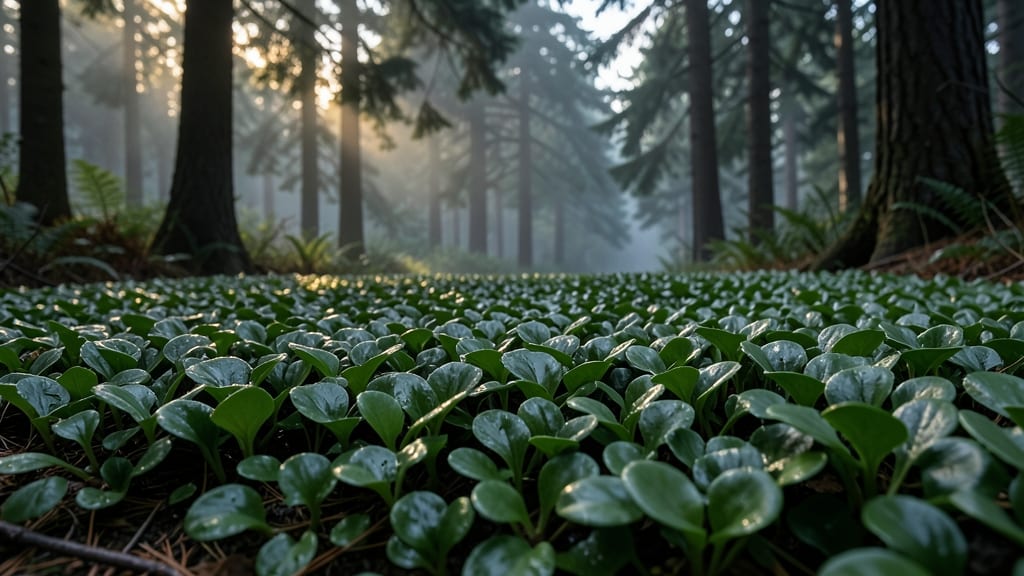
Struggling to find plants that thrive in deep shade? These ten ground cover options transform dim corners into lush, vibrant spaces with minimal effort—perfect for busy gardeners and high-maintenance areas.
Sweet Woodruff for Delicate Forest Floor Beauty

If your garden has shady spots where most plants struggle, sweet woodruff is the underrated hero you’ve been missing. This delicate ground cover thrives in dappled shade under trees, spreading gently while filling gaps with its fragrant foliage and delicate spring blooms. Unlike aggressive spreaders, it grows at a moderate pace, making it perfect for woodland gardens where you want natural beauty without competition.
Sweet woodruff loves moist, well-draining soil and tolerates dry spells once established, though it prefers consistent moisture. Its tiny white star-shaped flowers bloom in early spring, releasing a light vanilla scent when crushed—a bonus for sensory gardens. To keep it lush, mulch lightly with leaf litter or shredded bark to mimic its native forest floor conditions.
This is the ideal choice for gardeners who want low-maintenance elegance under mature trees or along shaded borders. Its slow, controlled spread means you won’t need to divide it often, and it pairs beautifully with ferns, hostas, or wild ginger for a layered woodland effect. 🌿
Hosta Varieties for Bold Leafy Textures

If your shaded garden feels like a blank canvas, hostas are your paint—bold, textured, and endlessly customizable. These shade-loving perennials offer foliage in every hue from deep blue to chartreuse, with varieties like 'Blue Angel' delivering a striking blue-green carpet that holds its shape without overtaking your space.
For dense coverage without the spread of larger varieties, opt for compact types like 'Francee' (with its golden edges) or 'Halcyon' (a dwarf with deep blue leaves). These thrive in partial to full shade, prefer moist but well-draining soil, and reward you with year-round interest—even when not in bloom. Divide clumps every 3-4 years to maintain vigor.
Perfect for gardeners who want low-maintenance drama under trees or along foundations, hostas bring structure and color where other plants struggle. 💚
Creeping Jenny for Golden Cascading Streams

Tired of dull, patchy ground cover in shady spots? Creeping Jenny (Lysimachia nummularia) delivers a golden surprise—this sun-lover actually thrives in partial shade, spilling over edges like a liquid waterfall of sunshine.
Its bright yellow foliage cascades beautifully over container rims, rocky crevices, or between stepping stones, creating instant visual drama. Unlike other shade plants, it handles occasional dry spells once established and spreads quickly to outcompete weeds. For best results, plant in well-draining soil and trim back leggy stems in early spring.
This versatile ground cover is perfect for urban gardeners with limited space or rocky landscapes where other plants struggle. Its cheerful color brightens even the shadiest corners! 🌻
Lungwort for Healing and Pollinator Support

Looking for a ground cover that does more than just look pretty? Lungwort (Pulmonaria spp.) brings centuries of medicinal history to your shade garden while supporting pollinators and crowding out weeds naturally.
This hardy perennial thrives in dry to medium moisture and partial to full shade, making it perfect for understory plantings or woodland gardens. Its distinctive silver-spotted leaves transition to green as summer progresses, while delicate spring blooms in purple-blue attract early-season bees. Lungwort's slow, spreading habit creates a dense mat that suppresses weeds without requiring herbicides.
Perfect for herbalists, pollinator gardeners, and those seeking low-maintenance shade solutions, lungwort adds both beauty and function to your garden. 🌟
Ajuga Reptans for Purple Ground Cover Magic

Tired of battling weeds under your towering shade trees? Ajuga reptans—or bugleweed—is the secret weapon you’ve been missing. This hardy ground cover forms a dense, purple carpet that chokes out weeds while adding striking texture to your garden’s darkest corners.
With its deep purple foliage and cheerful blue flower spikes in spring, ajuga thrives in partial to full shade and tolerates a wide range of soil types, even dry conditions once established. Its aggressive yet controlled spread makes it perfect for filling large areas under trees or along slopes—just keep it trimmed to maintain your desired shape. Deer and rabbit resistant, it’s also drought-tolerant once rooted.
Ideal for gardeners who want low-maintenance, high-impact shade solutions, ajuga transforms bare soil into a vibrant, weed-free landscape with almost no effort. 💚
Foamflower for Airy White Spring Blooms

Want a dramatic spring show that disappears neatly by summer? Foamflower (Tiarella cordifolia) delivers ethereal white flower mounds that transform shady corners into woodland fairy tales—then retreats into lush green foliage. This native woodland beauty thrives where other ground covers falter, creating a temporary but stunning display that gardeners adore for its seasonal flair.
Foamflower thrives in partial to full shade and prefers moist, well-draining soil—ideal for understory plantings or rocky garden spots. Its delicate white flower clusters bloom in early to mid-spring, attracting pollinators before fading into heart-shaped leaves that persist through summer. For best results, plant in groups of 3-5 for maximum impact, and mulch with leaf litter to retain moisture and mimic its natural habitat.
Perfect for gardeners who love seasonal interest without year-round commitment, foamflower pairs beautifully with ferns, hostas, or wild ginger. Its airy blooms create a dreamy contrast against darker foliage, making it a standout for woodland-style gardens or shaded borders. 🌷
Coral Bells for Dramatic Foliage Varieties

Want to add vertical drama to your shaded garden without sacrificing foliage color? Coral bells (Heuchera) deliver a year-round show with leaves in every shade—from deep burgundy to lime green—while thriving where sunlight barely reaches. Unlike traditional ground covers, these clump-forming perennials grow upright, creating striking textural contrast when planted in tight clusters between stepping stones or along pathways.
Choose varieties like 'Palace Purple' for rich violet leaves or 'Lime Rickey' for chartreuse foliage that glows in shade. They prefer well-draining soil and consistent moisture but handle dry spells once established. For maximum impact, pair them with low-growing companions like ajuga or heleborus to create layered shade gardens that feel intentional and polished.
Perfect for modern gardeners who crave color and structure without the fuss, coral bells elevate even the dullest shady corners into focal points. Their slow, controlled growth means minimal maintenance—just divide clumps every few years to keep them vigorous. 💚
Wild Ginger for Fragrant Evergreen Cover

Want a ground cover that smells as good as it looks? Wild ginger (Asarum spp.) delivers both with its glossy, heart-shaped leaves and subtle spicy fragrance when crushed. Unlike other shade plants, it thrives in moist, well-draining soil under trees or shrubs, spreading slowly to create a lush, evergreen carpet without crowding other plants.
This perennial forms dense mats that suppress weeds naturally while its small, white flowers in spring add delicate contrast. It handles dry shade once established but prefers consistent moisture—ideal for woodland gardens or understory plantings where other ground covers fail. For best results, plant in partial to full shade and mulch with leaf litter to retain humidity.
Perfect for gardeners who love fragrant foliage and natural woodland aesthetics, wild ginger adds sensory appeal while keeping maintenance minimal. 🌿
Lamium for Spotted Leaf Elegance

Struggling to find a ground cover that adds visual drama to your darkest garden corners? Lamium (commonly called dead nettle) delivers a silver-spotted foliage show that catches the light in deep shade, while its purple flower spikes create vertical interest from late spring through fall.
This hardy perennial thrives in full to partial shade and tolerates a wide range of soil conditions, including dry spells once established. Its self-seeding nature means it naturally fills gaps over time, creating a dense carpet that suppresses weeds. For best results, plant in clusters and deadhead spent flowers to encourage more blooms—though it won't disappear if you skip this step.
Perfect for cottage gardeners or those seeking low-maintenance contrast, lamium pairs beautifully with hostas, ferns, or ajuga for a layered shade effect that feels both natural and intentional. 🌷
Pachysandra for Classic Shade Perfection

For the ultimate timeless shade solution, pachysandra delivers a polished, evergreen carpet that thrives where other plants give up. This classic ground cover creates a dense, glossy green mat under evergreens, suppressing weeds while adding elegant texture to dark corners. Unlike aggressive spreaders, it grows at a moderate pace, making it perfect for problem areas where you want coverage without taking over.
Pachysandra handles dry shade once established and prefers well-draining, acidic soil—ideal for under pine trees or rhododendrons. In spring, delicate white flower spikes add fleeting beauty before the foliage takes center stage. To keep it lush, mulch with pine needles or shredded bark to retain moisture and mimic its native woodland conditions.
This is the go-to choice for gardeners who want low-maintenance elegance under mature trees or along foundations. Its slow, controlled spread means you’ll enjoy years of weed-free beauty with minimal effort. 💚