
Companion Plants
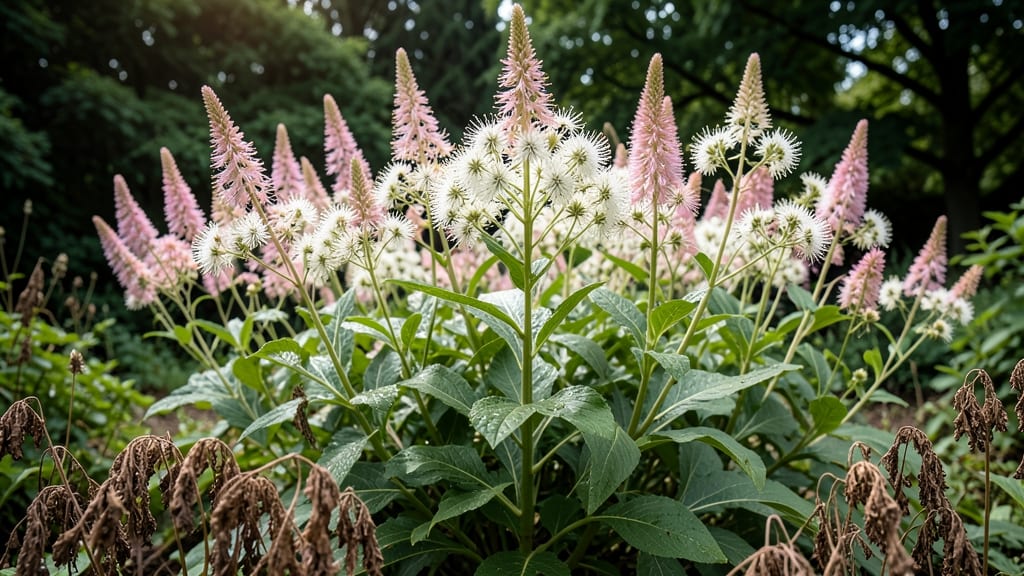
Struggling to keep your shady garden vibrant? These 10 hardy perennials thrive in Zone 6’s deep shadows, offering year-round color and texture with minimal fuss. Perfect for under trees, north-facing beds, or cut-off corners where sunlight barely reaches.
Hostas for Year-Round Ground Cover

Tired of bare spots under your trees? Hostas deliver year-round ground cover with foliage that ranges from deep blue to golden yellow, even variegated varieties that glow in the shade. Their ability to thrive in damp soil and resist deer makes them the ultimate low-maintenance solution for Zone 6 gardeners.
These shade-loving perennials prefer partial to full shade and tolerate poor soil conditions, making them ideal for woodland gardens or areas where other plants struggle. With over 2,500 varieties, you can mix textures and colors—think blue-green 'Blue Angel' or golden 'Golden Tiara'—to create visual interest without the upkeep. Simply divide clumps every 3-4 years to keep them vigorous.
Hostas are perfect for beginners or busy gardeners who want instant impact with minimal effort. Their lush foliage also deters weeds naturally, giving you more time to enjoy your garden instead of tending it. 🌿
Astilbe Plumes in Soft Pastels

Tired of shade gardens that feel flat and forgettable? Astilbe transforms dull corners into dreamy, airy displays with its feathery plumes in blush pink, lavender, or pure white—colors that dance in the dappled light where most perennials refuse to grow.
This moisture-loving perennial thrives in partial to full shade, making it perfect for woodland edges or under trees where roots compete for water. Plant in rich, well-draining soil and keep it consistently damp (but not soggy) to encourage those lush, cloud-like blooms that last from late spring to early summer. Deadhead spent flowers to prolong the show, and watch it spread slowly over time.
Cottage gardeners and woodland enthusiasts will love how astilbe adds vertical drama without stealing sunlight from other plants. Pair it with hostas or ferns for a layered, magical shade effect that feels straight out of a storybook. ✨
Hellebores for Early Spring Blooms

When your garden feels like a winter graveyard of brown and bare, hellebores (Lenten roses) burst onto the scene with their delicate, nodding blooms as early as February—often while snow still lingers. These winter-hardy survivors thrive in Zone 6’s harshest conditions, from deep shade to deer-proof foliage, making them the unsung heroes of early-season color.
Plant them in well-drained soil under trees or along dark foundation walls, where they’ll reward you with 6-8 weeks of blooms before summer shade plants even wake up. Choose from classic deep purple ‘Nigra’ or cheerful white ‘Jacob’—both tolerate neglect once established. Their evergreen leaves add texture year-round, too.
Perfect for gardeners who want low-maintenance beauty without summer competition, hellebores are the secret weapon for transforming dreary corners into lively spring focal points. 🌱
Fern Varieties for Textured Foliage

Skip the blooms—sometimes, your shade garden just needs bold structure, and ferns deliver it with effortless elegance. Unlike flowering perennials, ostrich fern (Matteuccia struthiopteris) and wood fern (Dryopteris marginalis) offer year-round texture, with fronds that unfurl like delicate lace in spring and hold their architectural form through winter's crisp air.
These ferns thrive in moist, well-drained soil with partial to full shade, making them perfect under trees where sunlight barely reaches. The ostrich fern grows 3-5 feet tall, creating dramatic vertical lines, while the wood fern stays compact at 1-3 feet—ideal for borders or woodland gardens. Both are deer-resistant and drought-tolerant once established, requiring only occasional mulching to retain moisture.
For gardeners who crave drama without the upkeep of seasonal blooms, ferns are the unsung heroes of shade design. Pair them with hostas or hellebores for a layered, evergreen effect that keeps your garden thriving year-round. 🌿
Bleeding Heart for Romantic Arches

Craving a touch of romance in your shade garden? Bleeding heart (Dicentra spectabilis) delivers dreamy, heart-shaped flowers in soft pink or white that spill over banks like a watercolor painting. This classic perennial thrives in moist, well-drained soil and partial to full shade, making it perfect for understory planting where sunlight is scarce.
Plant it where its arching stems can cascade over stone walls, retaining walls, or pair it with hostas for a whimsical woodland effect. The blooms appear in early to mid-spring, lasting for weeks, while its fern-like foliage provides summer interest. After flowering, the leaves die back—simply cut them back in early summer to keep the bed tidy.
Ideal for cottage gardeners or anyone who loves a nostalgic, fairytale-like look, bleeding heart adds vertical drama and softness to shady corners. Just remember to keep the soil consistently moist during its growing season for the best performance. 🌷
Lungwort for Medicinal Beauty

Transform overlooked shade spots into a pollinator paradise with lungwort (Pulmonaria), a dual-purpose perennial that thrives where others fail. Its silver-spotted leaves (which fade to green as summer progresses) and clusters of blue-purple flowers create a striking contrast, while its historical use as a respiratory aid adds a layer of intrigue for herbalists.
This hardy plant tolerates dry shade and poor soil, making it ideal for understory planting or neglected corners where moisture evaporates quickly. Plant in partial to full shade and water occasionally until established—once settled, lungwort requires little care beyond occasional division to control spread. The flowers attract bees and butterflies early in the season, giving pollinators a critical food source when few other plants bloom.
Perfect for cottage gardeners, herbal enthusiasts, or anyone seeking a low-maintenance yet visually dynamic addition to shady beds, lungwort proves that beauty and function can grow side by side. 💚
Japanese Painted Fern for Unique Patterns

Want to add bold texture to your shade garden without relying on flowers? The Japanese painted fern (Athyrium niponicum var. pictum) delivers striking silver-and-green foliage with a silvery underside that shimmers in the light—creating visual drama year-round. Unlike traditional ferns, its variegated patterns make it a standout in modern, minimalist gardens where contrast and structure matter most.
This hardy perennial thrives in partial to full shade and moist, well-drained soil, making it perfect for understory planting or woodland gardens in Zone 6. Its compact, mounding habit (18–24 inches tall) works beautifully in borders, containers, or as a focal point. For extra contrast, plant it alongside deep green hostas or purple coral bells—the silver foliage will pop against darker hues.
Ideal for gardeners who love low-maintenance texture over seasonal blooms, this fern requires minimal care: just keep the soil consistently moist and divide clumps every 3–4 years to maintain vigor. Its deer-resistant nature makes it a practical choice for rural or suburban gardens alike. 💚
Solomon’s Seal for Graceful Arching Stems

Want to add movement and elegance to your still shade garden without the fuss of high-maintenance plants? Solomon’s seal (Polygonatum) is your secret weapon—its arching stems and dangling berries create a natural, flowing rhythm that dances in the dappled light where other perennials struggle.
This slow-spreading perennial thrives in partial shade and tolerates a range of soil types, making it ideal for understory planting beneath trees or along woodland edges. Its semi-evergreen foliage stays attractive year-round, while clusters of white bell-shaped flowers in spring transition into blue-black berries that add winter interest. Plant in groups for a cascading effect, or use it as a natural screen along fences.
Perfect for gardeners who love low-maintenance beauty with a touch of whimsy, Solomon’s seal pairs beautifully with hostas or ferns for a layered, serene shade effect. Its graceful habit makes it a standout for modern or cottage-style gardens alike. 🌿
Coral Bells for Season-Long Color

Ready to banish boring shade gardens forever? Coral bells (Heuchera) bring year-round color and texture with their stunning foliage in deep purple, silvery blue, or lime green—colors that outshine most flowering perennials. Unlike many shade plants that fade in summer, these drought-tolerant beauties keep their vibrant hues all season long, even in the deepest shadows.
Plant them in well-draining soil with partial to full shade, where they’ll thrive with minimal water once established. Varieties like 'Palace Purple' or 'Lime Rickey' add dramatic contrast to modern gardens, while their compact size (12-18 inches tall) makes them perfect for borders, containers, or rock gardens. The secret to their longevity? Mulch well to retain moisture and avoid overwatering—these plants reward patience with season-long beauty that never goes out of style.
Urban gardeners and minimalists will love how coral bells require almost no maintenance beyond occasional pruning of dead leaves. Their bold foliage also pairs beautifully with ferns, hostas, or astilbe for layered shade beds that stay vibrant from spring through fall. 💚
Bugbane for Late-Summer Drama

When your shade garden starts looking tired by August, bugbane (Actaea simplex) steps in as a dramatic late-season savior. This underrated perennial shoots up 3-5 foot tall spikes of fragrant white or pink flowers that bloom precisely when most shade plants have faded—think of it as nature’s fireworks display for your woodland garden.
Thriving in moist, well-drained soil with partial to full shade, bugbane tolerates Zone 6’s humidity and even resists deer, making it a practical choice for problem areas. The fragrant blooms attract pollinators, while its bold vertical structure adds height to shady borders. Simply cut back foliage in late fall to keep the bed tidy—no fuss required.
Perfect for gardeners who want height and drama without summer competition, bugbane pairs beautifully with hostas or ferns. Its late-season show ensures your shade garden stays vibrant well into autumn. 🌻