
Shrubs
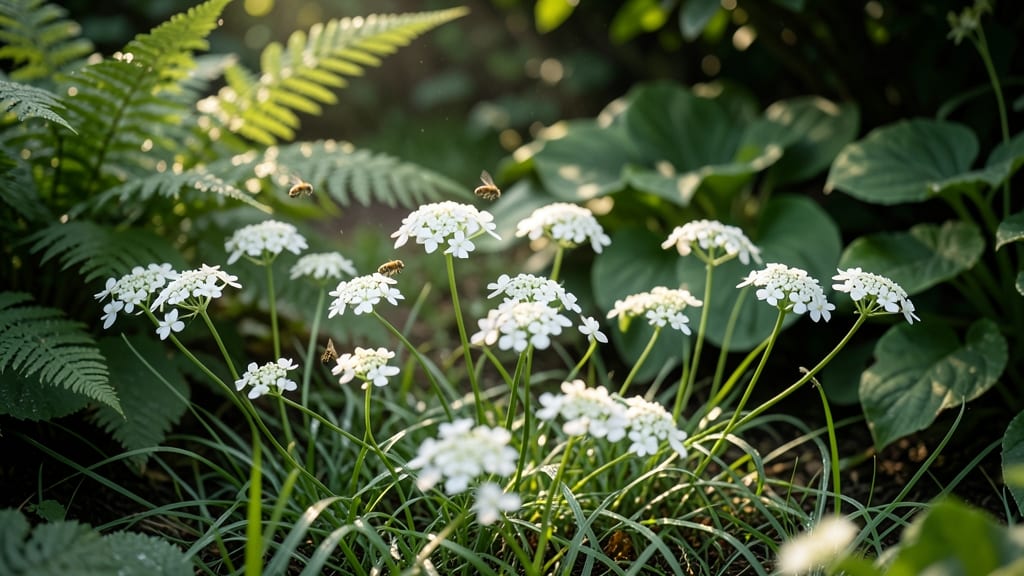
Struggling to keep your shady garden vibrant all summer? These 10 shade-loving perennials thrive in low light while delivering dazzling blooms that transform dull corners into lush, eye-catching displays—no sun required.
Hostas with Lavender and Blue Flowers

Want to add drama to your shady garden without sacrificing foliage appeal? Hostas with lavender and blue flowers deliver a two-for-one punch: bold, textured leaves and delicate summer blooms that pop against green surroundings.
These shade superstars thrive in partial to full shade, making them perfect for woodland gardens or understory plantings. Varieties like 'Blue Angel' or 'Halcyon' feature deep purple-blue blooms that contrast beautifully with their chartreuse or blue-green foliage. For best results, plant in well-draining, moist soil enriched with organic matter—hostas reward good care with lush growth and vibrant flowers from mid to late summer.
Ideal for gardeners who love low-maintenance yet high-impact plants, these hostas work beautifully in borders, mass plantings, or as focal points near patios. Their deer-resistant nature makes them a practical choice too! 💚
Bleeding Heart Plant with Pink Blooms

Looking for a plant that turns shady corners into a dreamy, romantic retreat? The bleeding heart (Dicentra spectabilis) delivers cascading clusters of heart-shaped pink blooms that thrive where sunlight is scarce, making it a standout for cottage gardens or understory plantings.
This deciduous perennial loves partial to full shade and moist, well-draining soil—ideal for spots where other plants wilt. Its arching stems create natural movement, while its glossy foliage adds texture. For best results, plant in spring or early fall and divide clumps every 3-4 years to maintain vigor. The blooms appear in late spring to early summer, lasting 4-6 weeks before giving way to lush foliage.
Perfect for gardeners who love drama without fuss, bleeding heart pairs beautifully with ferns and hostas. Its old-fashioned charm makes it a favorite for heritage-style gardens, while its adaptability suits urban courtyards or woodland edges. 🌷
Hellebores with White and Purple Flowers

If your garden feels like it’s still hibernating while others bloom, helleborus (commonly called hellebores) are your secret weapon. These winter warriors burst into flower as early as late winter and keep going through summer, offering white and purple blooms that defy frost and heat alike.
Perfect for rock gardens or as low-maintenance ground cover, hellebores thrive in partial to full shade with well-draining soil. Their leathery, evergreen leaves provide year-round structure, while their nodding flowers attract early pollinators. Prune spent blooms in late spring to encourage more flowers and keep the plant tidy.
Urban gardeners and busy homeowners will love hellebores—they’re drought-tolerant once established and rarely bothered by pests. Plant them where you want color without fuss, like under trees or along shady pathways. 🌱
Astilbe with Feathered Pink Plumes

Tired of dense, leafy shade plants that feel like they’re competing for space? Astilbe brings a breath of fresh air with its feathery pink plumes that dance on slender stems, adding lightness and movement to dark corners. Unlike broad-leaved hostas or hellebores, astilbe creates airy vertical accents that catch the light and draw the eye upward.
This moisture-loving perennial thrives in partial to full shade and blooms from mid to late summer, offering two to three weeks of vibrant color in shades from white to deep pink. For best results, plant in well-draining, consistently moist soil—ideal for rain gardens or near water features. Deadhead spent blooms to encourage more flowers, and divide clumps every 3-4 years to keep them vigorous.
Perfect for container gardens or shady borders, astilbe’s delicate texture pairs beautifully with ferns and hostas. Urban gardeners with limited space will love how it adds height without bulk, while its pollinator-friendly blooms make it a functional choice too. 🌻
Japanese Painted Fern with Silver Fronds

Tired of shade gardens that feel flat and one-dimensional? The Japanese painted fern (Athyrium niponicum var. pictum) brings modern sophistication with its silver and burgundy fronds, creating striking contrast without relying on flowers. This foliage superstar thrives in partial to full shade, making it perfect for understory plantings or as a textural filler in contemporary garden designs.
With its lacy, multi-hued leaves, this fern adds depth and movement to borders or containers, especially when planted in groups. It prefers moist, well-draining soil and benefits from occasional mulch to retain humidity. Unlike flowering perennials, its year-round interest ensures your garden stays visually compelling even when other plants are dormant.
Urban gardeners and minimalist designers will love this low-maintenance plant—it’s drought-tolerant once established and rarely troubled by pests. Use it to bridge gaps between bolder plants or as a standalone statement in modern landscapes. 💚
Coral Bells with Red and Pink Leaves

Tired of shade plants that offer either pretty flowers or foliage—but not both? Coral bells (Heuchera) shatter that rule with their bold red and pink leaves that stay vibrant all season, topped with delicate spring-to-summer blooms in shades of pink, white, or green.
This versatile perennial thrives in partial to full shade, making it ideal for containers, hanging baskets, or borders where other plants struggle. Varieties like 'Berry Smoothie' or 'Plum Pudding' deliver deep burgundy foliage that contrasts beautifully with silvery or chartreuse leaves. Water consistently to keep the leaves lush, and deadhead spent blooms to encourage more flowers. Coral bells also handle urban conditions well, tolerating dry spells and poor soil once established.
Perfect for urban gardeners, balcony planters, or modern landscapes, coral bells add year-round color with minimal effort. Their layered growth habit also makes them excellent spiller plants in mixed containers or as edging along shady pathways. 💚
Lungwort with Blue and Purple Spots

Looking for a shade-loving perennial that doubles as a living work of art? Lungwort (Pulmonaria) delivers with its signature blue and purple spotted foliage, creating a striking contrast even when not in bloom. This underrated gem thrives in partial to full shade, making it perfect for woodland gardens or as a living carpet under trees where sunlight is scarce.
Its delicate blue flowers appear in early spring and often persist into summer, offering prolonged color while attracting early pollinators. The spotted leaves also have historical medicinal uses, earning it a place in herbal gardens. To keep it lush, plant in well-draining, moist soil and divide clumps every 3-4 years to maintain vigor.
Ideal for gardeners who love textural interest with minimal effort, lungwort pairs beautifully with ferns and hellebores. Its low-growing habit makes it perfect for borders or as a living mulch under trees. 💚
Foxglove with Tall Purple Spikes

Ready to add dramatic height and old-world charm to your shady garden? Foxglove (Digitalis purpurea) stands tall with its tall purple spikes of bell-shaped flowers, creating a striking vertical focal point that draws the eye upward—perfect for formal borders or cottage-style gardens where grandeur matters.
This biennial thrives in partial shade and blooms from mid to late summer, offering 6-8 weeks of bold color in shades from white to deep purple. Plant seeds in early spring or fall for next year’s blooms, and cluster groups of 3-5 plants for maximum impact. Just remember—foxglove is toxic to pets, so keep it away from curious animals.
Ideal for gardeners who love height without sprawl, foxglove pairs beautifully with ferns and hostas. Its cottage-garden appeal makes it a favorite for heritage-style plantings, while its pollinator-friendly blooms add functional beauty to shaded areas. 🌷
Toad Lily with Spotted Orange Blooms

Want to transport your shady garden to a tropical paradise without the humidity? The toad lily (Tricyrtis hirta) delivers with its exotic, spotted orange and purple blooms that look like they belong in a jungle rather than your backyard. Unlike most shade plants, this woodland native thrives in deep shade where others struggle, making it the ultimate solution for dark corners.
These unusual flowers appear in late summer to fall, offering three weeks of dramatic color when many gardens are winding down. Plant in moist, well-draining soil enriched with organic matter, and provide winter mulch in colder climates. The glossy green leaves add lush texture year-round, while the flowers attract hummingbirds and other pollinators. For best impact, pair with ferns or hostas to create a lush understory effect.
Perfect for gardeners who love unexpected surprises, toad lilies work beautifully in woodland gardens, shady borders, or as a focal point in containers. Their conversation-starting blooms make them ideal for any gardener wanting to add drama without direct sunlight. 🌟
Sweet Woodruff with White Star Clusters

Want to turn your shady garden into a fragrant retreat without the fuss? Sweet woodruff (Galium odoratum) is your secret weapon—its crushed leaves release a vanilla-like scent that lingers in the air, while delicate white star-shaped flowers bloom from late spring to summer, attracting bees and butterflies.
This low-growing perennial thrives in partial to full shade, making it perfect for understory plantings or as a living mulch to suppress weeds. Its spreading habit creates a lush, green carpet that stays vibrant all season. For best results, plant in well-draining, moist soil and divide clumps every 3-4 years to keep it vigorous. It’s also deer-resistant, making it a practical choice for rural gardens.
Gardeners who love sensory experiences will adore sweet woodruff—it’s ideal for fragrant gardens, woodland edges, or even as a ground cover under trees. Its dual appeal of scent and pollinator-friendly blooms makes it a standout for any shade-loving space. 🌿