
Light Requirements
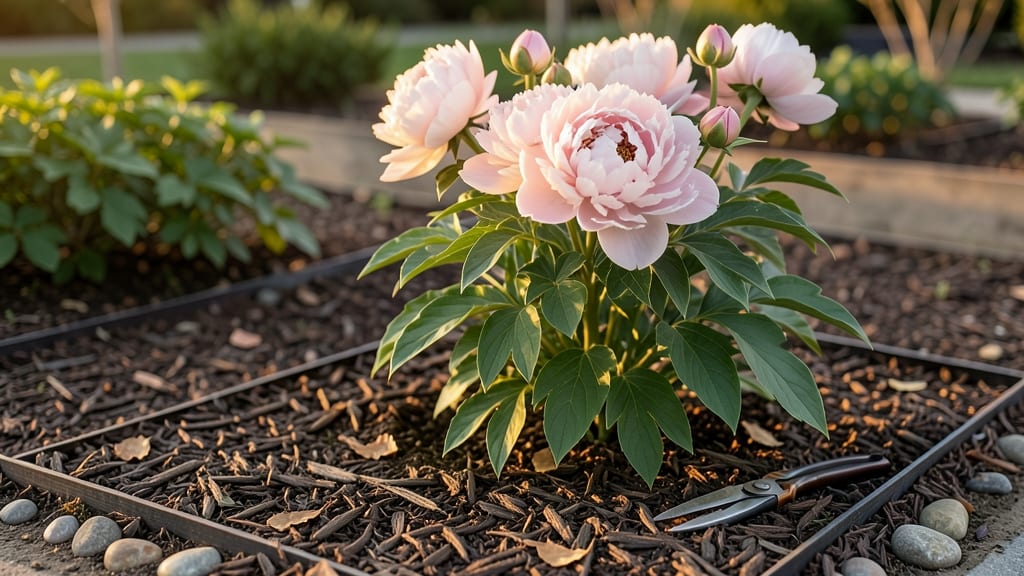
Peonies thrive in full sun or shade depending on your climate and variety, but getting the light right is the secret to those bold, long-lasting blooms you’ve been dreaming of.
Struggling to get your peonies to bloom reliably? The right light exposure—whether full sun or shade—can mean the difference between vibrant, long-lasting flowers and sparse, short-lived blooms.
In Zone 6a, where I’ve grown mine for years, the ideal spot is six hours of morning sun with afternoon shade to prevent leaf scorch. But not all peonies are created equal: tree peonies handle more heat, while herbaceous types may need afternoon relief.
Below, I’ll break down exactly how much sun your 🌸 peonies need, how to adjust care based on light, and the telltale signs your plants are begging for more (or less) sunlight.

Peony light requirements: how full sun vs. partial shade affects bloom size and duration
Peonies are one of the most beloved garden flowers, but their light requirements can make or break your blooms. While they thrive in full sun, too much shade can shrink flower size and reduce blooming frequency.
The key lies in understanding how sunlight intensity impacts different peony types—herbaceous versus tree peonies—and adjusting your garden layout accordingly.
Herbaceous peonies, the most common type, need 6 to 8 hours of direct sunlight daily to produce their signature lush, fragrant blooms. Tree peonies, on the other hand, are slightly more adaptable but still perform best with at least 5 hours of sun.
Too little light leads to weak stems and smaller flowers, while excessive afternoon sun can stress plants in hot climates.
For herbaceous peonies, morning sun paired with afternoon shade works beautifully in hot regions. This setup prevents leaf scorch while still providing enough energy for robust blooms. In cooler zones, full sun exposure is ideal year-round, as peonies can handle frost better when well-hardened from consistent sunlight.
Tree peonies, native to Asia, handle partial shade more gracefully than their herbaceous cousins. They thrive in locations with filtered light, such as under high-canopy trees or on east-facing foundations.
However, even tree peonies will reward you with larger flowers when given more sunlight—just avoid placing them in deep shade where they may fail to bloom entirely.
When planting peonies, consider your garden’s microclimate. A south-facing border in the Northern Hemisphere offers the most sun, while east-facing spots provide gentle morning light. If your yard lacks ideal conditions, use reflective surfaces like light-colored gravel or mulch to bounce extra sunlight onto peony foliage.
Monitor your peonies’ response to light by observing leaf color and stem strength. Dark green leaves indicate healthy photosynthesis, while pale or yellowing foliage signals insufficient light. Weak stems or flopping blooms often mean the plant isn’t getting enough support from sunlight, which is critical for structural integrity.
In urban gardens with limited space, container-grown peonies can adapt to partial shade but may require supplemental light. Place pots near south-facing windows or use grow lights during cloudy periods. Remember, even a few extra hours of sunlight can translate to 20-30% larger blooms over time.
If you’re unsure about your garden’s sunlight, use a sunlight tracker for a week to measure actual hours of direct light. This simple tool helps you make informed decisions about where to plant peonies—or whether to adjust nearby structures (like fences or trees) to improve light exposure.
Finally, remember that peonies are long-lived perennials, so investing time in finding the perfect light spot now will pay off for decades of blooms. Whether you choose full sun or partial shade, your peonies will reward you with stunning, fragrant flowers—if you give them the right conditions to thrive.
Best peony varieties for full sun gardens and shady spots: a grower’s guide
Peonies thrive with the right light, but not all varieties perform equally in full sun or shady spots. Some bloom bigger and longer in bright light, while others adapt beautifully to partial shade. Choosing the right peony cultivar for your garden’s conditions ensures stunning, reliable blooms every season.
Herbaceous peonies generally prefer full sun for maximum flower size, while tree peonies often tolerate partial shade better. Below, I’ve curated a list of top-performing varieties suited for different light scenarios, along with their fragrance notes and bloom longevity.
| Variety | Light Needs | Fragrance | Bloom Longevity | Hardiness Zone |
|---|---|---|---|---|
| Sarah Bernhardt | Full Sun | Strong, spicy | 2-3 weeks | 3-8 |
| Bowl of Beauty | Partial Shade | Sweet, light | 1-2 weeks | 3-8 |
| Kodak Red | Full Sun | Mild, fresh | 2 weeks | 3-8 |
| Duchesse de Nemours | Partial Shade | Heavy, sweet | 3 weeks | 4-8 |
| Coral Charm | Full Sun or Partial Shade | Moderate | 2 weeks | 3-8 |
For full sun gardens, prioritize varieties like Sarah Bernhardt and Kodak Red, which produce large, bold blooms and thrive with 6+ hours of direct sunlight. These peonies reward you with longer bloom seasons and vibrant colors, though they may need extra watering in hot climates.
In shady spots, opt for tree peonies like Duchesse de Nemours, which tolerate partial shade while still delivering fragrant, long-lasting blooms. These varieties are perfect for woodland gardens or areas under dappled sunlight from taller trees.
If your garden has mixed light conditions, Coral Charm is a versatile choice that adapts well to both full sun and partial shade. Its pink blooms add cheerful color without demanding strict light requirements.
Always plant peonies in well-draining soil with organic matter to support root health, regardless of light exposure. Mulch around the base to retain moisture and regulate soil temperature, especially for shade-loving varieties that may struggle in dry conditions.