
Light Requirements
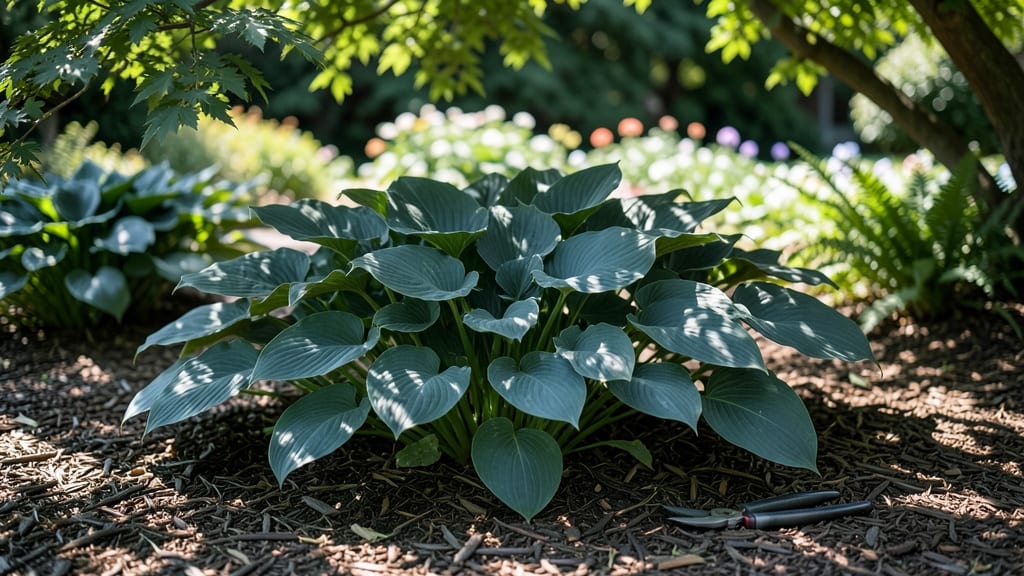
Designing a part shade garden starts with embracing the dappled light as your canvas. 🌿 The key isn’t fighting the shade—it’s working with it to create a lush, layered space that thrives where others struggle.
My first part-shade garden was a patchy mess until I learned to pair moisture-loving plants with those that tolerate occasional dry spells. The magic happens in the layers: tall ferns and astilbes anchor the back, while hostas and lungwort spill over edges.
Add a few sun-loving annuals near the border where light filters through, and you’ll get year-round interest without fighting for space. The trick is balancing textures—think velvety foliage next to feathery fronds—and letting the plants’ natural habits guide the layout.
By summer, you’ll have a thriving understory that feels like a secret garden. The scent of blooming astilbes and the rustling of ferns create a serene retreat, even in the hottest afternoon. This approach works for any yard with partial shade, from woodland edges to patio corners.
The biggest mistake? Overcrowding shade plants that need airflow. Give each variety room to breathe, and you’ll avoid fungal issues that plague tight spaces. Start small, observe how light shifts through the seasons, and let the plants teach you what works best.
📚 In This Guide
- What you need
- Instructions
- Tips and common mistakes
- Wrapping up and next steps
What you need
- ● Soil amendments: Compost (2–3 cubic yards per 100 sq ft) – boosts fertility and drainage
- ● Peat moss or coconut coir (1–2 bags) – retains moisture for shade-loving plants
- ● Perlite or vermiculite (small bag) – improves aeration
- ● Mulch: Shredded bark or wood chips (2–3 bags) – suppresses weeds and locks in moisture
- ● Tools: Garden trowel (for transplanting small plants)
- ● Garden fork (for amending soil)
- ● Pruners (sharp, clean pair for trimming)
- ● Wheelbarrow or bucket (for hauling soil/mulch)
- ● Garden hose with spray nozzle (for gentle watering)
- ● Plants: Shade-tolerant perennials (e.g., hostas, ferns, astilbes – 3–5 plants)
- ● Ornamental grasses (e.g., carex, hakonechloa – 2–3 clumps)
- ● Shade-loving annuals (e.g., impatiens, begonia – 6–10 plants)
- ● Shrubs (e.g., hydrangeas, azaleas – 1–2 per variety)
- ● Slow-release fertilizer (e.g., Osmocote) – feeds plants gradually
- ● Drip irrigation kit – automates watering for consistency
- ● Garden gloves (for comfort and protection)
- ● Knee pads (if you’ll be kneeling often!)
- ● Soil pH test kit – ensures your plants get the right conditions
- ● Decorative stones or edging – adds a polished look
How to create a thriving part shade garden
This is the type of garden that rewards patience—where ferns unfurl like delicate green fans and hostas grow into lush, textured clumps.
🌿 Step 1: Assess Your Shade Conditions
First, observe your space for 2-3 days at different times. Note where dappled light dances across the ground and where deep shade lingers. Most part shade gardens thrive with 3-6 hours of morning sun and afternoon shade—this is the "goldilocks zone" for shade-loving plants. Mark these areas with stakes so you know exactly where to place moisture-loving plants like astilbes and where to tuck in tougher varieties like heucheras.
I always test my spots with a light meter app (or just hold a white sheet of paper in the shade for an hour to see how much light it captures). If your area gets no direct sun, focus on deep shade plants like ferns and lungwort. If it gets bright morning sun, you can mix in some sun-tolerant shade plants like Japanese forest grass.
🪴 Step 2: Prepare the Soil for Moisture Retention
Part shade gardens need well-draining yet moisture-retentive soil—think of it as a sponge that holds water but doesn’t drown roots. Amend your native soil with 2-3 inches of compost and 1 inch of organic matter like leaf mold or coconut coir. This improves drainage while keeping moisture available for deep-rooted plants.
I like to work in a slow-release fertilizer (like 10-10-10) at planting time to give plants a nutrient boost without the risk of burning tender roots. Avoid heavy clay soil—it compacts easily and suffocates roots. If your soil is clay-heavy, mix in 1 part perlite or coarse sand to every 3 parts soil to improve aeration.
☀️ Step 3: Choose the Right Plant Pairings
For a 4-plant part shade garden, I recommend mixing 3 shade-lovers with 1 sun-tolerant variety to create visual interest. Start with hostas (for lush foliage), heucheras (for vibrant colors), and ferns (for delicate texture). Add a sun-tolerant accent plant like Japanese forest grass or coral bells to brighten the center.
Space plants based on their mature size—hostas need 18-24 inches of space, while heucheras thrive in 12-18 inches. Ferns like maidenhair stay compact at 12 inches, but Ostrich ferns can spread to 3 feet. Group taller plants toward the back and shorter ones in front to create a layered effect that catches light beautifully.
💧 Step 4: Water Deeply and Mulch Generously
Water deeply once a week (or more in extreme heat) to encourage strong root growth. The key is soaking the soil to 6 inches deep—not just wetting the surface. You’ll know you’ve watered enough when water runs out the drainage holes if you’re in containers, or when the top 2 inches of soil feel moist if you’re in the ground.
Spread 2-3 inches of mulch (like shredded bark or wood chips) around plants to retain moisture and suppress weeds. Keep mulch 2 inches away from stems to prevent rot. Over time, mulch breaks down and feeds the soil, reducing the need for extra fertilizer. I top up my mulch every spring to keep it effective.
✂️ Step 5: Prune and Maintain Seasonal Health
In early spring, cut back any dead or damaged foliage from the previous year. For hostas, remove old leaves when new growth appears—this keeps the plant looking tidy and prevents disease. Heucheras often self-clean, but I trim any leggy stems to encourage bushier growth.
Ferns need minimal pruning—just remove any brown fronds in late winter. If your garden gets hot afternoon sun, provide light afternoon shade (like a sheer fabric shade cloth) to protect delicate foliage. Fertilize once in early spring with a balanced 10-10-10 to support steady growth.
Tips & tricks for perfect part shade garden design
Here's what nobody tells you about making your part shade garden truly thrive—these are the details that separate good from great.
Light Mapping Strategy: After your 2-3 days of observing light patterns, take photos at different times of day. The subtle shifts in light can reveal microclimates in your space that change how plants perform. I've caught areas that seem shady in the morning but get surprise afternoon sun—this is where I place my tougher heucheras instead of delicate ferns. Use these photos as a reference when arranging your plants.
Soil Test Before Amending: Don't just guess about your soil—test it first! A simple home soil test kit (about $15) will tell you your pH and nutrient levels. Part shade plants generally prefer slightly acidic to neutral soil (pH 6.0-7.0). If your test shows high clay content, mix in that 1 part perlite to 3 parts soil ratio before adding compost—this prevents compaction that can suffocate roots. I've seen gardens fail because the soil was already too rich, causing plants to grow weak stems.
Plant Layering Hack: When arranging your 4-plant garden, create a "light gradient" from back to front. Place your tallest plant (like Ostrich ferns at 3 feet) at the back where it can reach upward for light, then work down to the shorter plants (like maidenhair ferns at 12 inches) in front. This creates a natural canopy effect where each plant gets optimal light without competing with its neighbors. I like to sketch this arrangement first—it saves time when you're actually planting.
Watering Timing Tip: That weekly deep watering works best when done in the morning between 6-10 AM. This gives plants all day to absorb moisture before evening, reducing evaporation and fungal risks. If you must water in the evening, do it by 7 PM to prevent dampness that encourages slugs. I've noticed my hostas develop fewer brown tips when watered this way, even in hot summers.
Pro Tips for Part Shade Garden
- Here's what nobody tells you about making your part shade garden truly thrive—these are the details that separate good from great.
- Light Mapping Strategy: After your 2-3 days of observing light patterns, take photos at different times of day.
- Soil Test Before Amending: Don't just guess about your soil—test it first!
Frequently asked questions
What exactly is "part shade," and how much sunlight does it really need?
Part shade typically means 3–6 hours of direct sunlight daily, with the rest in dappled light or filtered shade (like under tall trees). Avoid deep shade (<2 hours of sun)—this zone is too dim for most plants. Pro tip: Use a sunlight tracker app for a week to gauge your spot’s light exposure accurately.
When is the best time to plant in a part-shade garden?
Plant in early spring or early fall when temperatures are mild (50–75°F). Avoid summer heatwaves or winter freezes, which stress plants. For container gardens: You can plant year-round in mild climates, but water consistently to prevent root shock.
What are the easiest low-maintenance plants for part shade?
Start with hostas, ferns, astilbes, heucheras, and impatiens—they thrive with minimal sun and care. For color pops, try coleus, caladiums, or bleeding heart. Pro tip: Group plants with similar water needs to simplify upkeep!
Why do my part-shade plants look wilty, even with regular watering?
Wilt can signal overwatering, poor drainage, or sudden sunlight changes. Check soil moisture (stick your finger 1–2 inches deep—if dry, water; if soggy, hold off). Fix it: Amend heavy soil with compost and ensure containers have drainage holes. Mulch helps retain moisture without suffocating roots.
Can I grow vegetables in a part-shade garden?
Yes! Opt for leafy greens (lettuce, spinach), radishes, and bush beans, which tolerate partial shade. Avoid heavy sun-lovers like tomatoes or peppers. Boost yields: Place containers near the shadiest tree edges where roots won’t compete for nutrients.
Wrapping up and next steps
A part shade garden thrives on balance—embracing dappled sunlight while celebrating the beauty of low-light resilience. With the right plants, soil prep, and a touch of creativity, you’ve got everything you need to craft a lush, vibrant space that feels like a retreat. 🌿
Now’s your moment to roll up your sleeves and make it your own! Start small—pick one corner of your garden or a pot to experiment with shade-loving favorites. Before you know it, you’ll have a thriving oasis that proves even the trickiest spots can bloom with personality. Happy gardening!