
Shrubs
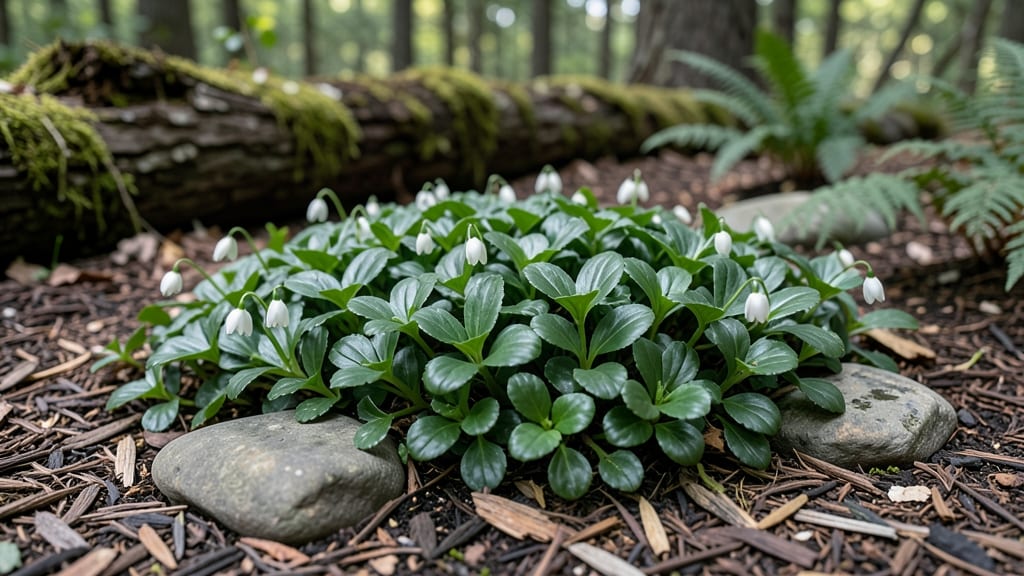
Pachysandra thrives in sun or shade 🌿, but picking the right variety for your yard’s light makes all the difference between lush ground cover and struggling patches.
Picture this: You’ve spent hours prepping the soil, only to watch your pachysandra turn yellow or wilt under the wrong light conditions. The good news? Some types handle full sun like champs, while others prefer the cozy shade of a tree’s dappled canopy.
In this guide, I’ll break down which pachysandra varieties shine in sun vs. shade, how to tweak soil and watering for maximum growth, and what to plant nearby to keep it thriving year-round.
Whether your garden gets bright morning rays or deep shade, you’ll leave here knowing exactly how to set your pachysandra up for success—no guesswork required.
 Best Window Placement
Best pachysandra varieties for sun vs. shade tolerance
When selecting pachysandra for your garden, understanding light tolerance is key to success. While most varieties thrive in shade conditions, some adapt better to partial sun exposure. The right choice ensures lush, year-round ground cover without stress. Let's explore the top pachysandra varieties and their ideal light requirements.
Native to wooded areas, Pachysandra procumbens (commonly called Allegheny spurge) is the classic shade-lover. This variety handles deep shade conditions beautifully but can scorch in full sun. Meanwhile, Pachysandra terminalis (Japanese spurge) offers more flexibility, tolerating partial sun while still performing well in shady spots. Each has unique care needs.
Here's how these varieties compare when it comes to light exposure, soil preferences, and maintenance requirements to help you make the best selection for your garden's conditions.
| Variety | Light Tolerance | Soil Needs | Water Needs | Mature Height |
|---|---|---|---|---|
| Pachysandra procumbens | Deep shade to partial shade (2-4 hrs sun) | Moist, well-draining, acidic (pH 5.0-6.5) | Consistent moisture, drought-tolerant once established | 6-12 inches |
| Pachysandra terminalis 'Variegata' | Partial shade to partial sun (4-6 hrs sun) | Moist, well-draining, tolerates wider pH range | Moderate watering, slightly more drought-resistant | 12-18 inches |
| Pachysandra terminalis 'Green Carpet' | Partial shade to partial sun (3-5 hrs sun) | Moist, well-draining, slightly more tolerant of dry soil | Moderate watering, good drought tolerance | 8-12 inches |
| Pachysandra terminalis 'Moonlight' | Partial shade to partial sun (4-6 hrs sun) | Moist, well-draining, slightly alkaline tolerant | Consistent moisture, less drought-tolerant | 10-14 inches |
For full shade gardens, Pachysandra procumbens remains the gold standard. It handles less than 2 hours of direct sun daily without stress, making it perfect for woodland gardens or under large trees. Its dark green foliage and spring blooms add texture without competing for light with other plants.
If your space receives morning sun or dappled light, consider Pachysandra terminalis varieties. These handle 3-6 hours of partial sun better than procumbens, though they still prefer afternoon shade.
The variegated 'Variegata' adds visual interest with its creamy-white margins, while 'Green Carpet' offers a dense, uniform look ideal for borders.
When planting sun-tolerant pachysandra, always mulch heavily to retain moisture and protect roots. Use 2-3 inches of organic mulch like shredded bark or pine needles. In hotter climates, provide afternoon shade with lightweight shade cloth (30-50% coverage) during peak summer months to prevent leaf scorch.
One common mistake is assuming all pachysandra varieties thrive equally in sun. Pachysandra procumbens will burn in full sun, while terminalis varieties may lose variegation if shaded too heavily. Always match your variety to your garden's microclimate—test a small area first if unsure about light conditions.
For urban gardens with reflective surfaces or concrete heat**, choose 'Green Carpet'—its slightly thicker leaves handle harsher conditions better. Pair sun-tolerant varieties with hostas or ferns for a layered, shade-friendly understory that thrives together.
How to maximize pachysandra growth in different light conditions
Pachysandra thrives as a low-maintenance ground cover, but its growth depends heavily on light exposure. While it’s famous for shade tolerance, some varieties handle morning sun better than others.
The key to success lies in soil prep, watering consistency, and pruning techniques tailored to your garden’s light conditions.
If you’re planting in full sun, you’ll need to adjust care strategies to prevent leaf scorch or stunted growth. For deep shade, focus on moisture retention and organic matter to keep roots happy.
Let’s break down how to optimize pachysandra’s performance in every light scenario—plus the common mistakes that sabotage growth.
⚠️ Critical Light Warning
Pachysandra in full sun risks leaf burn and drought stress. Even "sun-tolerant" varieties need morning sun only—afternoon heat is deadly. For deep shade, avoid waterlogged soil or roots will rot. Test your spot: If leaves turn yellow in summer, you’re overwatering in shade.
Start with well-draining soil mixed with 2-3 inches of compost to improve moisture retention. Pachysandra roots thrive in slightly acidic soil (pH 5.0-6.5). For sunny spots, add sand or perlite to prevent compaction. In shady areas, focus on organic mulch like shredded bark to lock in humidity.
Watering is where most gardeners go wrong. In full sun, water deeply 2-3 times per week—early morning is best to reduce evaporation. In shade, water once weekly unless the top inch of soil is dry.
Overwatering in shade leads to fungal diseases like powdery mildew. Use a moisture meter to check soil conditions.
Prune pachysandra once a year in early spring to shape growth and remove dead foliage. In sunny conditions, trim back overly leggy stems to encourage bushier growth. In shade, avoid heavy pruning—it relies on foliage density for survival. Always use clean, sharp shears to prevent disease spread.
Companion planting boosts pachysandra’s resilience. Pair it with hostas or ferns in shade for moisture-loving support. In sunny borders, combine with creeping thyme or sedum to reduce heat stress. Avoid competitive plants like English ivy, which steals nutrients. A 3-foot buffer around pachysandra keeps it thriving.
Watch for yellow leaves (overwatering) or brown edges (underwatering/sunburn). Adjust care immediately—pachysandra recovers quickly when conditions improve. With the right light balance, soil prep, and pruning, your pachysandra will spread 2-3 feet per year and stay lush year-round. 🌿