
Shrubs
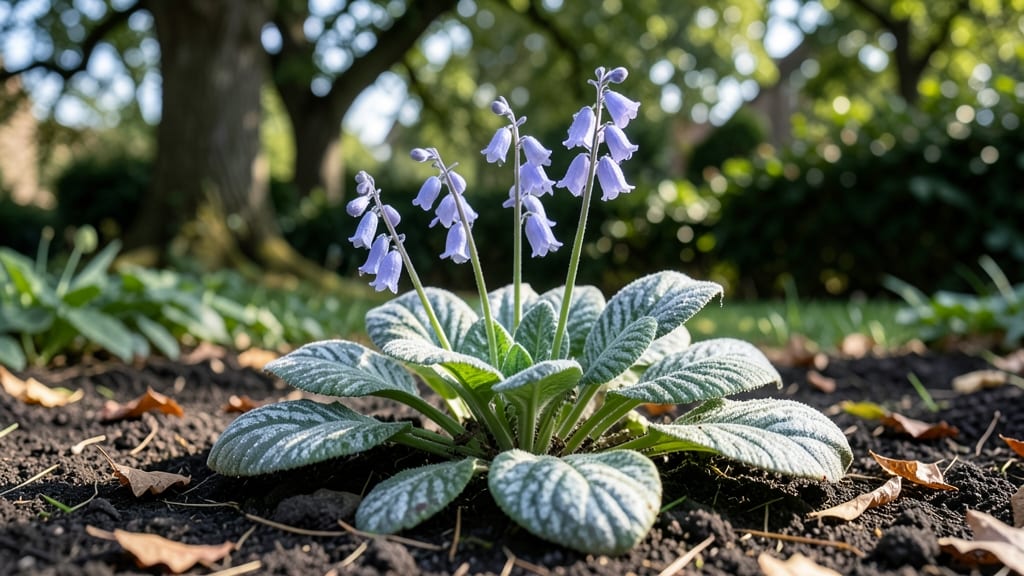
Lungwort thrives in sun or shade with the right balance—3 to 6 hours of morning light is the sweet spot for those stunning silver-spotted leaves.
Picture this: your lungwort 🌿 sitting in a shady corner, leaves dull and losing their signature pattern. Or worse, wilting under harsh afternoon rays. The truth? This adaptable perennial does handle shade, but it’s not as forgiving as you think.
In this guide, I’ll break down exactly how much sun or shade lungwort needs to stay vibrant, plus soil tweaks and companion plants that keep it lush year-round—no guesswork, just proven results.
You’ll learn how to spot light-stress signs early, adjust for your microclimate, and even revive underperforming plants with simple adjustments. Let’s get your lungwort looking its best!
 Best Window Placement
Lungwort sun requirements: finding the perfect light balance for maximum foliage
Lungwort (Pulmonaria spp.) thrives in partial shade, but its light needs vary by variety and climate. While it tolerates 3-6 hours of morning sun, too much direct light can scorch those prized silver-spotted leaves, while insufficient light dulls their pattern.
Understanding your microclimate is key—especially in USDA zones 3-8, where sun exposure shifts dramatically.
In cooler northern zones (3-5), lungwort handles more shade than southern zones (6-8), where afternoon sun intensifies. Even within a single garden, east-facing beds offer gentler light than west-facing spots.
I’ve found Pulmonaria officinalis (common lungwort) adapts best to dappled shade, while Pulmonaria rubra (red lungwort) tolerates slightly brighter conditions—but never full sun.
📊 Comparison Table: Lungwort Sun vs. Shade Requirements
| Variety | Ideal Sun Exposure | Max Tolerated Sun | Signs of Stress | Best USDA Zones |
|---|---|---|---|---|
| Pulmonaria officinalis | 3–4 hours morning sun | 6 hours (with afternoon shade) | Brown leaf edges, faded spots | 3–8 |
| Pulmonaria rubra | 4–5 hours morning sun | 5 hours (filtered light) | Bleached leaves, weak stems | 4–7 |
| Pulmonaria longifolia | 2–3 hours indirect light | 4 hours (dappled) | Dull green foliage, slow growth | 5–8 |
For USDA zones 3-5, prioritize north-facing beds or tree-filtered light—even in summer. In zones 6-8, use lattice screens or sheer fabric to block harsh afternoon rays (1 PM–5 PM).
I once grew P. officinalis under a Japanese maple in zone 6, and its leaves stayed vibrant all season because the tree broke up the light.
Watch for these red flags: Leaf edges turning brown and crispy? That’s too much sun. Leaves losing their silver pattern and turning uniformly green? It’s too much shade. The solution? Adjust placement gradually—move plants incrementally over weeks, not all at once, to avoid shock.
In container gardens, lungwort adapts more easily to bright indirect light (like an east-facing porch), but avoid south windows—the heat stress mimics drought. If your balcony gets intense afternoon sun, place the pot against a wall or use a light-colored saucer to reflect excess heat.
Pro tip: Mulch with 3 inches of shredded bark to regulate soil temperature. This mimics lungwort’s native woodland floor habitat, where roots stay cool even in hot climates. I’ve seen lungwort in zone 7’s full shade thrive with this trick—its leaves stayed silver-spotted all summer.
When in doubt, test your spot for 2 weeks: Place a white board where the plant will go and check for heat buildup. If it feels warmer than 80°F (27°C), add shade.
Lungwort’s foliage magic happens at 60–75°F (15–24°C)—keep it in that zone, and you’ll get maximum silver sparkle.
🌿
Shade-tolerant lungwort care: how to revive dull leaves and encourage silver spots
If your lungwort's silver-spotted leaves are fading to dull green, it’s not a death sentence—just a sign your plant needs a little shade love. Lungwort thrives in partial shade, but too much darkness or poor soil can mute those stunning variegated patterns.
The good news? With a few simple adjustments, you can revive your plant’s vibrancy and keep those showstopping silver spots shining.
First, let’s tackle the root cause: low light exposure or compacted soil often dulls lungwort’s foliage. These perennials naturally grow in woodland understories, where dappled sunlight filters through trees.
Recreating this environment in your garden is key—whether you’re fixing an existing plant or planning a new bed. Start by assessing your lungwort’s current conditions to pinpoint what’s missing.
🌿 Lungwort Light & Soil Quick Fixes
| Issue | Solution |
|---|---|
| Dull green leaves | Add 3-6 hours of filtered light (morning sun or dappled shade) |
| Silver spots fading | Amend soil with compost or leaf mold for better drainage |
| Slow growth | Plant with hostas or ferns for moisture-retentive shade |
| Yellowing leaves | Check for overwatering—lungwort prefers moist but well-draining soil |
To revive your lungwort’s color, focus on soil amendments first. These plants adore rich, humusy soil with a slightly acidic to neutral pH (6.0–7.0). If your garden soil feels dense or clay-heavy, mix in 2–3 inches of compost or well-rotted leaf mold around the base.
This improves drainage while retaining moisture—critical for keeping those silver patterns vibrant. Think of it as giving your lungwort a nutrient boost to wake up those dormant variegated cells.
Companion planting can also work wonders for shade-loving lungwort. Pair it with hostas, astilbes, or ferns to create a moisture-rich microclimate. These plants share similar shade preferences and help regulate humidity, reducing stress on your lungwort.
Avoid placing it near competitive ground covers like ivy, which can smother its roots. Instead, opt for low-growing perennials that complement its height (12–18 inches) without stealing its spotlight.
If your lungwort is already established but struggling, don’t hesitate to divide and refresh it every 3–4 years. Dig up clumps in early spring or fall, separate the roots gently, and replant the healthiest sections in fresh, amended soil.
This rejuvenates growth and often brings back that lost silver sparkle. Just be sure to water thoroughly after transplanting to help the roots establish in their new home.
With the right light balance, soil prep, and shade-friendly companions, your lungwort will bounce back with foliage so striking it’ll be the star of your garden’s understory.
The key is patience—these perennials reward careful attention with year-round interest, from their early spring blooms to their bold, patterned leaves. Give it a try, and watch your dull lungwort transform into a silver-spotted showstopper! 🌱