
Shrubs
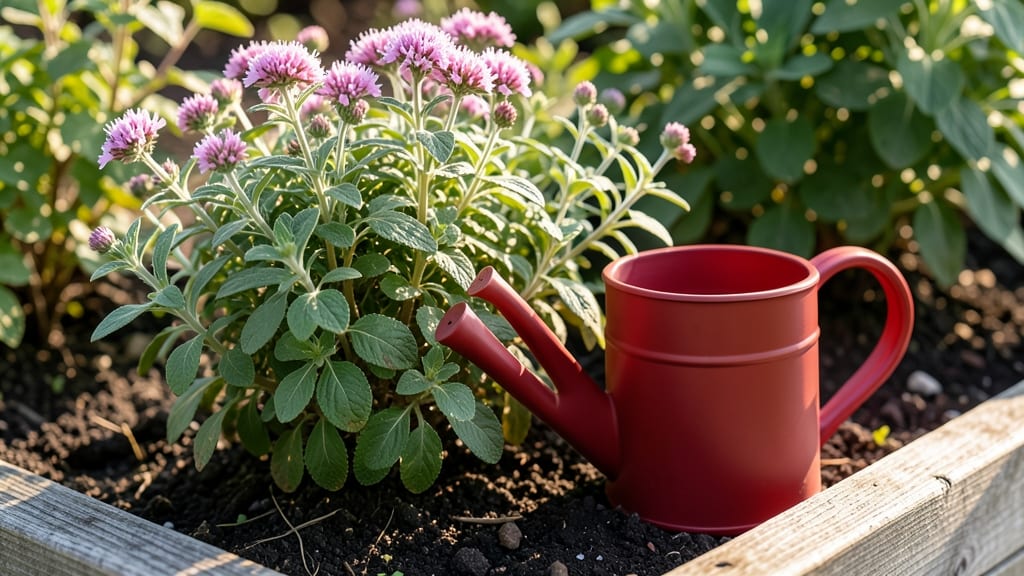
Oregano thrives in full sun or partial shade 🌿, but the right light conditions can mean the difference between a fragrant, flavorful harvest and a struggling, weak plant.
Struggling to grow thriving oregano in your garden? The battle between sun vs. shade doesn’t have to be a mystery—discover the light conditions that unlock your oregano’s full flavor potential, whether you have a sunny patio or a partially shaded spot.
While oregano loves 6+ hours of sunlight for peak growth and essential oil production, it can adapt to partial shade if you’re in a hotter climate or have limited sun exposure. The key is understanding how light affects its growth, flavor, and even its resistance to pests.
In this guide, I’ll break down the ideal sunlight conditions, share proven strategies for growing oregano in shade, and help you spot signs when your plant needs more (or less) light. Ready to grow the best oregano ever?
 Best Window Placement
Ideal sunlight requirements for oregano growth and flavor
Oregano thrives under full sun exposure, but understanding its light needs is key to unlocking that signature bold, aromatic flavor. As a Mediterranean native, oregano evolved to bask in 6-8 hours of direct sunlight daily, which triggers optimal photosynthesis and essential oil production.
Without enough light, your plants may grow leggy or lose their signature pungent scent—a gardener’s nightmare!
The sunlight spectrum plays a crucial role in developing oregano’s terpenes and flavonoids, the compounds responsible for its distinct taste. Studies show that plants receiving 6+ hours of sunlight produce up to 30% more essential oils than those in partial shade.
That means your homemade pesto or marinades will pack a serious flavor punch when grown under ideal conditions.
Here’s the breakdown of oregano’s sunlight requirements at a glance—because every gardener’s light situation is unique:
While full sun is ideal, oregano can tolerate 3-4 hours of morning sun combined with afternoon shade, especially in hot climates. The key is avoiding intense afternoon sun, which can scorch leaves and stress the plant.
If you’re in a Zone 9 or hotter, opt for dappled shade during peak heat hours (12 PM–4 PM) to prevent leaf burn.
Ever noticed how your grocery store oregano lacks that bold Mediterranean kick? That’s because commercial oregano is often grown in low-light conditions to maximize shelf life. Homegrown oregano, however, rewards you with a richer, more complex flavor when given proper sunlight.
The carvacrol and thymol compounds—responsible for oregano’s signature taste—peak under full sun exposure.
For container gardeners, place your oregano pots on a south-facing balcony or windowsill where they’ll receive 6+ hours of direct light. If your space only offers partial shade, supplement with a grow light for 4-6 hours daily.
LED grow lights with a full-spectrum 6400K-6600K color temperature mimic sunlight perfectly and boost essential oil production.
Too much sun, however, can be just as damaging as too little. In arid climates, oregano may experience sun scorch, visible as crispy, brown leaf edges.
To prevent this, mulch around your plants with 2-3 inches of organic mulch (like straw or wood chips) to retain moisture and regulate soil temperature. Water deeply in the early morning to give roots time to absorb moisture before the heat of the day.
If you’re growing Greek oregano (Origanum vulgare hirtum) versus Mexican oregano (Lippia graveolens), note that the former thrives in full sun, while the latter tolerates partial shade better. Always check your variety’s specific needs—this distinction can mean the difference between a flavorful harvest and a disappointing one.
Pro tip: Rotate your oregano plants quarter-turns every few weeks to ensure even sunlight exposure on all sides. This prevents one-sided growth and encourages a bushier, more productive plant. With the right light balance, your oregano will reward you with abundant, fragrant leaves all season long.
How to grow oregano in partial shade: proven strategies
You don’t need a sunny windowsill to grow fragrant oregano. While this Mediterranean herb thrives in full sun, it can adapt to partial shade with the right care.
The key is understanding how to compensate for reduced light—whether through container placement, companion planting, or pruning techniques that boost growth. Let’s explore how to maximize your oregano’s potential in shadier spots.
Many gardeners mistakenly believe oregano won’t survive in shade, but the truth is more nuanced. Oregano can tolerate 3-4 hours of direct sun daily if other conditions—like well-draining soil and proper spacing—are met.
The challenge is maintaining its signature aromatic oils and compact growth. With these strategies, you’ll keep your oregano lush and flavorful, even in less-than-ideal light.
Growing Oregano in Sun vs. Shade
- ✅ Optimal flavor and growth
- ✅ Higher essential oil production
- ✅ Compact, bushy habit
- ⚠️ Slower growth but survivable
- ⚠️ Milder flavor (less aromatic)
- ✅ Better for containers or urban gardens
- ❌ Leggy, weak stems
- ❌ Pale leaves and poor aroma
- ❌ Susceptible to disease
- 🌱 Use reflective surfaces (white walls, mirrors)
- 💧 Water consistently to prevent stress
- ✂️ Prune regularly to encourage bushiness
To help your oregano thrive in partial shade, start with the right container or garden bed. Choose a pot with drainage holes and fill it with a mix of potting soil and perlite to improve aeration.
If planting in the ground, amend the soil with compost to ensure nutrients aren’t depleted in lower light. Oregano’s roots need room to breathe, so avoid compacted or waterlogged soil.
Companion planting can work wonders for shade-grown oregano. Pair it with low-growing herbs like thyme or marjoram, which share similar light and water needs. Avoid tall plants that cast additional shade, like sunflowers or basil.
If space is limited, place your oregano near reflective surfaces, such as a white fence or garden stones, to bounce extra light onto the leaves.
Pruning is your secret weapon for shade-adapted oregano. Pinch back the tips of new growth in early spring to encourage a bushier habit. Throughout the growing season, trim any yellowing or leggy stems to redirect energy to healthier foliage.
Regular pruning also improves air circulation, reducing the risk of fungal diseases that thrive in damp, shaded conditions. Harvest leaves frequently to stimulate new growth and maintain that aromatic punch.
If your oregano starts to look stretched or pale, it’s time to reassess its light conditions. Move it to a slightly sunnier spot for a few hours each day, or supplement with a grow light if indoor growing.
Remember, even in partial shade, oregano can still produce edible leaves, though they may lack the intensity of sun-grown varieties. With patience and care, you’ll have a thriving herb garden in any light condition.