
Light Requirements
Struggling to grow herbs in low-light spots? These 10 shade-tolerant solutions let you cultivate flavorful herbs in partial sun conditions without sacrificing growth or potency. Perfect for balconies, patios, or shady garden corners.
Dappled Light Canopy with Mesh Fabric

Urban balconies with limited space don’t have to mean giving up your favorite cilantro or parsley. A dappled light canopy made from lightweight shade mesh fabric creates the perfect filtered sunlight environment—bright enough for growth but gentle enough to protect delicate leaves from scorching afternoon rays.
Choose a 30-50% shade cloth (rated for light reduction) and drape it loosely over your container garden or raised bed, securing it with clips or stakes. This setup mimics the natural dappled sunlight found under trees, which these herbs thrive in. For best results, position the mesh to block the most intense midday sun while allowing morning light to reach your plants. The fabric also reduces water evaporation, keeping soil moist longer between waterings.
This solution is especially game-changing for city gardeners with south- or west-facing balconies where direct sun can wilt tender herbs. It’s low-cost, portable, and can be easily adjusted as the sun’s angle changes throughout the year. 🌱
North-Facing Window Herb Planters

Turn your north-facing window into a thriving herb garden—no outdoor space required! This setup harnesses the cool, indirect light that herbs like mint, chives, and parsley actually prefer, making it ideal for city apartments or sun-starved homes.
Place shallow planters (4-6 inches deep) on a windowsill where they’ll receive 4-6 hours of gentle morning light daily. Use well-draining potting mix and keep soil lightly moist—these herbs hate soggy roots. Mint spreads aggressively, so contain it in its own pot, while chives and parsley stay tidy in shared spaces. Rotate pots weekly to ensure even growth.
Apartment dwellers and urban gardeners will love this zero-maintenance solution—just water and harvest! It’s the perfect way to grow fresh herbs year-round without battling harsh sunlight. 🌿
Reflective Shade Cloth for Intensive Gardens

Turn your shady herb patch into a thriving intensive garden with reflective shade cloth—the secret weapon for shade-loving herbs like lemon balm and tarragon. This dual-purpose fabric not only filters harsh light but also bounces sunlight back onto your plants, giving them a growth-boosting energy kick without direct exposure.
Install the cloth at a 30-45 degree angle over your beds to maximize reflection while still allowing filtered light through. The silver or white fabric works best for heat-sensitive herbs, creating a microclimate that mimics the gentle light conditions they crave. For larger garden beds, this method lets you grow herbs that would otherwise struggle in deep shade, like anise hyssop or catnip, with minimal maintenance.
This solution is perfect for serious gardeners with limited space who want to maximize yield—ideal for community gardens or backyard beds where every inch counts. 💡
Trellis with Climbing Herbs and Partial Shade

Transform your shady corner into a fragrant vertical herb garden with a trellis system designed for climbing herbs like dill and lovage. These herbs naturally grow tall and thrive in partial shade, making them perfect candidates for upward training—ideal for small spaces where ground room is limited.
Install a sturdy wooden or metal trellis (4-6 feet tall) near a dappled-light area, such as under a tree canopy or along a north-facing wall. Plant dill and lovage at the base, providing support as they grow. These herbs benefit from morning sun and afternoon shade, so position the trellis where it receives 3-6 hours of indirect light daily. Prune regularly to encourage bushier growth and harvest leaves before flowering for maximum flavor.
This space-saving solution is perfect for urban gardeners, balcony growers, or anyone with limited square footage. By growing upward, you’ll free up precious ground space while still enjoying fresh, homegrown herbs year-round. 🌱
Understory Herb Beds Near Trees

Skip the artificial shade solutions—your garden’s natural woodland edge might already be the perfect spot for growing shade-tolerant herbs. Understory herb beds thrive beneath mature trees, where dappled sunlight and leaf litter create ideal conditions for forest-loving plants like sweet woodruff and wild garlic.
Plant these herbs in well-draining soil enriched with organic matter, mimicking the forest floor. They’ll flourish with just 2-4 hours of filtered light daily, making them ideal for gardeners with shady yards or woodland properties. Sweet woodruff spreads beautifully as a ground cover, while wild garlic adds aromatic punch to salads. Mulch with fallen leaves to retain moisture and regulate soil temperature.
This low-maintenance approach is perfect for woodland gardeners, permaculture enthusiasts, or anyone with mature trees looking to create a lush, self-sustaining herb garden. Let nature do the work while you enjoy fresh, forest-grown flavors. 🌿
Adjustable Overhead Umbrella Shade

Patio gardeners with shifting sunlight patterns can finally grow thyme and oregano without guesswork—thanks to an adjustable overhead umbrella shade. Unlike fixed shade solutions, this flexible option lets you dial in the perfect light balance as the sun moves throughout the day, protecting tender herbs from midday heat while still providing enough light for robust growth.
Position your umbrella to cast 30-50% shade during peak sun hours (10 AM–4 PM), then adjust it wider in the morning or late afternoon when the sun is lower. The key is to keep your containers in bright, indirect light—these Mediterranean herbs need at least 4-6 hours of sunlight daily but can scorch in direct afternoon rays. For best results, use terracotta pots (which dry out faster) and place them on a reflective surface like a stone patio to bounce extra light upward.
This solution is ideal for patio chefs, urban gardeners, or anyone with limited shade control—it’s portable, stylish, and lets you enjoy fresh herbs year-round without the risk of sunburn or stunted growth. 🌻
Living Shade with Companion Plants

Skip the artificial shade solutions—your garden already has the perfect light filter! Planting hostas or ferns around your shade-loving herbs creates a natural, self-sustaining microclimate that gently diffuses light while keeping soil moisture balanced.
Pair chervil and winter savory with taller companions like hostas or Japanese painted ferns to protect them from harsh overhead light while still allowing enough filtered sunlight for growth. The hosta foliage acts like a living umbrella, reducing heat stress while the ferns add humidity to the air—ideal for herbs that wilt in dry shade. This approach also suppresses weeds naturally by outcompeting them with dense foliage.
Perfect for woodland gardeners or anyone with a shady corner, this method requires zero extra equipment and becomes more effective each year as your plants mature. Your herbs will thrive with minimal effort! 🌿
Greenhouse with Diffused Light Panels

A greenhouse with diffused light panels is your secret weapon for growing heat-sensitive herbs like basil and sage in cooler climates where sunlight is scarce or intense. Unlike traditional greenhouses that trap too much heat, these panels scatter and soften light—creating the perfect environment for herbs that bolt or wilt in harsh conditions.
Install panels rated for 30-50% light diffusion to mimic natural shade while still providing enough brightness for photosynthesis. This setup extends your growing season by 2-3 months in spring/fall, letting you harvest fresh basil in early spring or sage well into autumn. For best results, pair with a ventilation system to prevent overheating during sunny spells, and use drip irrigation to maintain even moisture in the controlled environment.
This solution is ideal for serious herb gardeners in Zone 4-6 or anyone with limited outdoor sunlight. It’s the only way to reliably grow Mediterranean herbs without risking sunburn or stunted growth—no more sacrificing flavor for shade tolerance! ✨
East-Facing Garden Beds with Morning Sun

For gardeners who love the aroma of rosemary and sage but struggle with afternoon heat, an east-facing garden bed is the perfect solution. This orientation gives you the ideal balance—gentle morning sunlight that fuels growth while avoiding the scorching afternoon rays that can stress heat-sensitive herbs.
Position your bed to receive 4-6 hours of morning sun, then let it fade into natural shade as the day progresses. These herbs thrive in cooler conditions and will reward you with robust growth and intense flavor. Use well-draining soil and water in the morning to prevent fungal issues from evening moisture. For extra protection, add a lightweight shade cloth (10-20%) during peak summer heat.
This setup is ideal for beginner gardeners, Mediterranean climate zones, or anyone with limited shade options. It’s low-maintenance yet high-reward, perfect for creating a fragrant, productive herb garden without the risk of sunburn. 🌿
Indoor Grow Lights for Shade Gardens

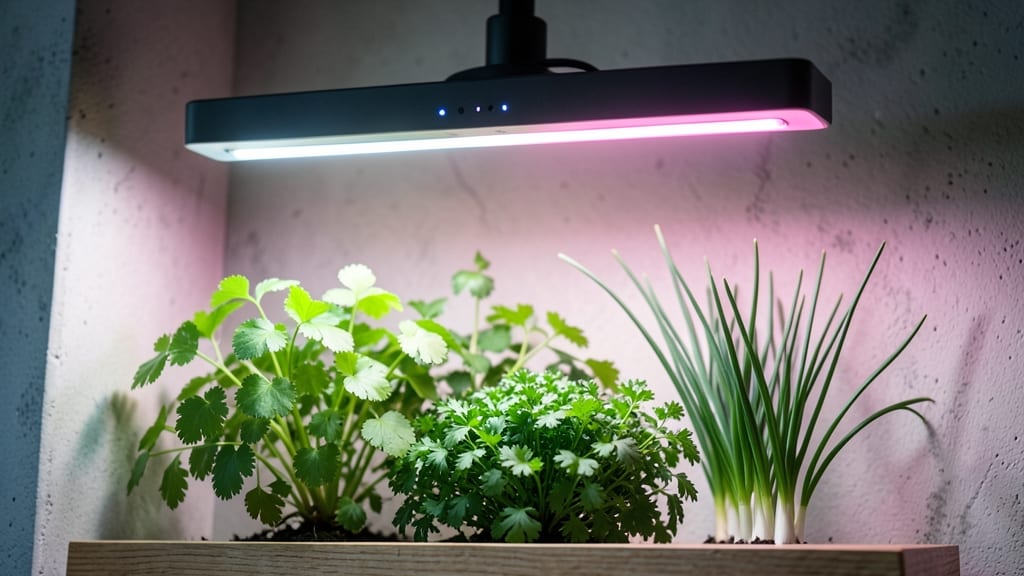
Forget relying on fickle natural light—energy-efficient LED grow lights can transform your perpetually shady spot into a thriving herb haven. These lights replicate the full sunlight spectrum, giving cilantro, parsley, and chives the energy they need to grow lush and flavorful, even in windowless rooms or basement gardens.
Look for full-spectrum LEDs with a 12-16 hour photoperiod (light cycle) to mimic natural daylight. Position lights 6-12 inches above your herbs and adjust height as plants grow—closer for seedlings, farther for mature foliage. Cilantro loves cool conditions, so keep temps between 50-70°F, while parsley thrives under slightly warmer LEDs. These lights use 75% less energy than incandescent bulbs, making them cost-effective for year-round herb production.
This solution is a game-changer for urban apartment dwellers, basement gardeners, or anyone with limited outdoor space. With the right setup, you’ll enjoy fresh herbs anytime—no sunshine required! ✨