
Size
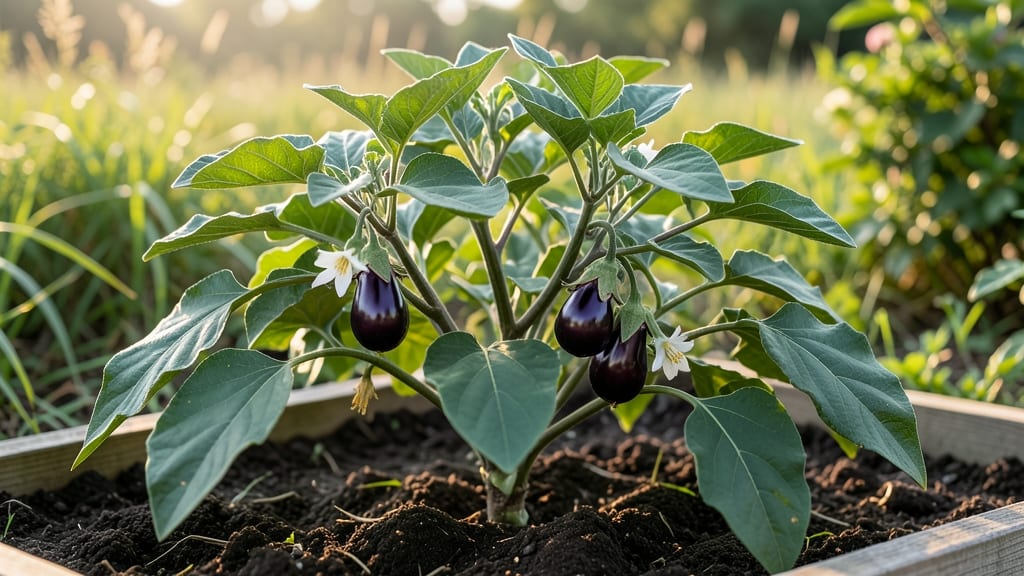
Transform your garden into a thriving nightshade plant grow zone—even in those shadowy spots where other crops refuse to flourish. 🌱 The key isn’t fighting the shade; it’s picking the right varieties that turn "problem spots" into productive pockets.
My first attempt with regular tomatoes? A disaster. But shade-tolerant eggplants and peppers? They flourished in just 4-6 hours of morning sun.
Start with well-draining soil mixed with compost—nightshades hate soggy roots. Plant in early spring after the last frost, spacing them 18-24 inches apart to allow airflow.
Varieties like 'Black Beauty' eggplant or 'Carolina Wonder' pepper handle shade better than most, and they reward you with bold flavors even in dim corners.
Water consistently but avoid overhead sprinklers—wet foliage invites disease. Mulch heavily to keep roots cool and retain moisture. By mid-summer, you'll harvest glossy eggplants and peppers that outperform anything grown in full sun. The secret? Matching plants to their perfect light conditions.
For extra shade, try 'Cherokee Purple' tomatoes with their deep purple hue—perfect for partial shade. Just watch for aphids and keep an eye on blossom end rot. With the right choices, your dark garden spots become the most flavorful part of your yard.
📚 In This Guide
- What you need
- Instructions
- Tips and common mistakes
- Wrapping up and next steps
What you need
- ● Nightshade plants: Choose shade-tolerant varieties like Solanum scabrum (Garden Huckleberry) or Solanum nigrum (Black Nightshade). Start with 3–5 seedlings or seeds (if sowing directly).
- ● Well-draining soil: Mix 1 part compost with 2 parts garden soil or potting mix (pH 6.0–7.0). Nightshades hate soggy roots!
- ● Containers or garden bed: For containers: 5–10 gallon pots with drainage holes (one per plant).
- ● For in-ground: A partial to full-shade spot (4+ hours of dappled light/day).
- ● Watering can or hose: With a gentle spray nozzle to avoid disturbing soil.
- ● Fertilizer: A balanced, organic fertilizer (10-10-10 or compost tea) to apply every 4–6 weeks.
- ○ Gloves (optional but recommended): Some nightshades (like Solanum dulcamara) have mild skin irritants.
- ● Mulch: 2–3 inches of straw or shredded leaves to retain moisture and suppress weeds.
- ● Shade cloth: 30–50% coverage if your garden gets too much indirect light.
- ● Pruning shears: For trimming leggy growth (sterilize blades with rubbing alcohol!).
- ● Pest deterrents: Neem oil or row covers if aphids or slugs become a problem.
- ● Support stakes: For taller varieties (like Solanum jasminoides) to prevent flopping.
Step-by-Step guide to cultivating shade-tolerant nightshade varieties
Dark corners of your garden aren't dead zones—just waiting for the right shade-loving nightshades.
🌱 Step 1: Select the Right Nightshade Varieties for Low Light
Not all nightshades thrive in shade, but Solanum jasminoides (potato vine) and Solanum melongena (eggplant varieties like 'Black Beauty') tolerate partial shade best. Avoid tomatoes and peppers—they demand full sun. I always check the plant tag for "partial shade" labels before buying, because even within nightshades, light needs vary dramatically.
For true shade, focus on ornamental nightshades like Solanum rantonnetii (Christmas berry) or Solanum pseudocapsicum (Jerusalem cherry). These handle 4-6 hours of filtered light daily without wilting. If your space gets less than 4 hours, stick to foliage varieties—they won’t produce fruit but will still add lush green growth.
🪴 Step 2: Prepare Soil and Planting Containers
Nightshades in shade need well-draining, moisture-retentive soil—think of it as a sponge that holds water but doesn’t suffocate roots. Mix 3 parts potting mix with 1 part perlite to improve aeration. I add a handful of compost for nutrients, but avoid fresh manure—it can burn tender roots in shaded conditions.
For in-ground planting, amend the soil with 2 inches of organic matter and work it into the top 6 inches. If using containers, ensure they’re at least 12 inches deep—shade-grown nightshades develop shallower roots but need room to spread. Place a 1-inch layer of gravel at the bottom for drainage, then fill with your prepared mix.
☀️ Step 3: Position Plants for Maximum Indirect Light
Even shade-loving nightshades need bright, indirect light—think dappled sunlight under trees, not deep shade under dense foliage. Place plants 3-4 feet from east- or north-facing windows if growing indoors, or near evergreens that filter sunlight outdoors. Rotate containers quarter-turn weekly to prevent leaning toward any light source.
Watch for yellowing leaves—a classic sign of insufficient light. If this happens, move the plant closer to the light source or supplement with a grow light (12 hours daily). Avoid placing near west-facing windows, where afternoon sun can scorch leaves even in partial shade.
💧 Step 4: Adjust Watering for Shade-Grown Nightshades
Shade slows evaporation, so water less frequently but more deeply—aim for 1 inch of water per week, delivered at the soil level to avoid wetting leaves (which invites fungal diseases). I test moisture by sticking my finger 1 inch deep; if it feels dry, it’s time to water. Overwatering in shade is the #1 killer—roots rot quickly in soggy conditions.
Mulch with 2 inches of shredded bark to retain moisture and regulate soil temperature. This is especially critical in shade, where temperature swings are less extreme but humidity lingers. Avoid synthetic mulches—they can suffocate roots and trap too much moisture.
✂️ Step 5: Prune and Support for Healthy Growth
Shade-grown nightshades grow longer, leggier stems—prune to encourage bushier growth. Pinch back new growth tips when stems reach 12 inches to redirect energy into lateral branches. Remove any yellow or spotted leaves immediately; they’re disease magnets in humid shade.
Use soft ties or cages to support vining varieties like potato vine. Avoid metal stakes—they can conduct heat and damage stems in shaded areas. If growing in containers, choose lightweight, breathable fabric supports that won’t compact soil when wet.
Tips & tricks for thriving shade-loving nightshades
Here's what nobody tells you about keeping these plants happy in low-light conditions.
Light Optimization: When positioning your plants in Step 3, pay close attention to the quality of light—not just quantity. East-facing windows provide gentle morning light that's perfect for shade-loving nightshades, while north-facing windows offer consistent indirect light throughout the day. For outdoor spaces, position plants under deciduous trees that allow filtered sunlight to reach the ground. The 4-6 hours of filtered light mentioned in Step 1 should be bright but diffuse—think of it as sunlight passing through a sheer curtain rather than direct exposure.
Soil Science: In Step 2, that 1-inch gravel layer at the bottom of containers isn't just for drainage—it creates an air pocket that prevents root suffocation. For in-ground planting, consider adding a handful of orchid bark to your soil mix. This adds extra aeration while retaining moisture, which is crucial for shade-grown nightshades. I've found that amending with 2 inches of worm castings instead of regular compost can provide even more gentle nutrients without risking root burn.
Pruning Strategy: The 12-inch stem length mentioned in Step 5 is your pruning guidepost. When you pinch back new growth at this point, you're encouraging the plant to develop a more compact, bushy form. For vining varieties like potato vine, I recommend pruning back the longest stems by about one-third to promote fuller growth. This technique also helps prevent the leggy, sprawling habit that's common in low-light conditions.
Humidity Management: Shade creates its own microclimate with higher humidity levels, which can invite fungal issues. After watering in Step 4, avoid getting water on the leaves—use a watering wand or soaker hose to deliver that 1 inch per week directly to the soil. If you notice leaves developing dark spots, increase air circulation by gently brushing leaves with your hand or using a small fan on low setting for 10-15 minutes daily. This mimics natural wind movement and helps prevent disease while maintaining that lush, healthy appearance.
Pro Tips for Nightshade Plant Grow A Garden
- Here's what nobody tells you about keeping these plants happy in low-light conditions.
- Light Optimization: When positioning your plants in Step 3, pay close attention to the quality of light—not just quantity.
- Soil Science: In Step 2, that 1-inch gravel layer at the bottom of containers isn't just for drainage—it creates an air pocket that prevents root suffocation.
Frequently asked questions
about growing nightshade plants in shady garden corners—here’s what you need to know!What are the best nightshade plants for low-light gardens?
While most nightshades (like tomatoes and peppers) thrive in full sun, Solanum varieties such as black nightshade (Solanum nigrum) and Chinese lantern (Physalis alkekengi) tolerate partial shade. For deeper shade, try eggplant (Solanum melongena)—choose smaller varieties like 'Black Beauty' and plant in well-draining soil.
How long does it take for nightshade plants to grow in shade?
Growth slows in shade, but with patience, you’ll see progress! Seedlings may take 4–6 weeks to sprout, and mature plants (like eggplants) can take 2–3 months to bear fruit. Boost growth with organic compost and a slow-release fertilizer to compensate for lower light.
Are there any nightshades I should avoid in shady spots?
Skip tomatoes, peppers, and potatoes in deep shade—they need 6+ hours of sunlight daily. Instead, opt for ornamental nightshades like Jerusalem artichokes (Helianthus tuberosus) or ground cherries (Physalis), which handle shade better and add beauty to your garden.
What pests or diseases should I watch for in shady nightshade gardens?
Shade can reduce pests, but watch for aphids, spider mites, and fungal issues (like blight) if humidity rises. Improve airflow with pruning and use neem oil or copper fungicide preemptively. Mulch with straw to deter soil-borne diseases.
Can I grow nightshades in containers in shady areas?
Use large pots (12"+ diameter) with well-draining mix (add perlite or coconut coir). Choose compact varieties like 'Patio Baby' eggplant or dwarf ground cherries. Place containers near east-facing windows or under dappled tree shade for best results.
Wrapping up and next steps
Growing nightshade plants in shady corners of your garden isn’t just possible—it’s rewarding! From the bold flavors of eggplants to the vibrant blooms of petunias, these shade-loving varieties bring life and productivity to areas where sunlight is scarce.
With the right soil, patience, and a few gardening tricks, you’ll soon be harvesting delicious veggies or admiring stunning flowers that thrive in the quietest spots.
Ready to transform your garden? Start small—try planting a few easy-care nightshades like black Krim eggplants or shade-tolerant peppers—and watch your confidence (and harvest) grow! 🌱✨