
Size
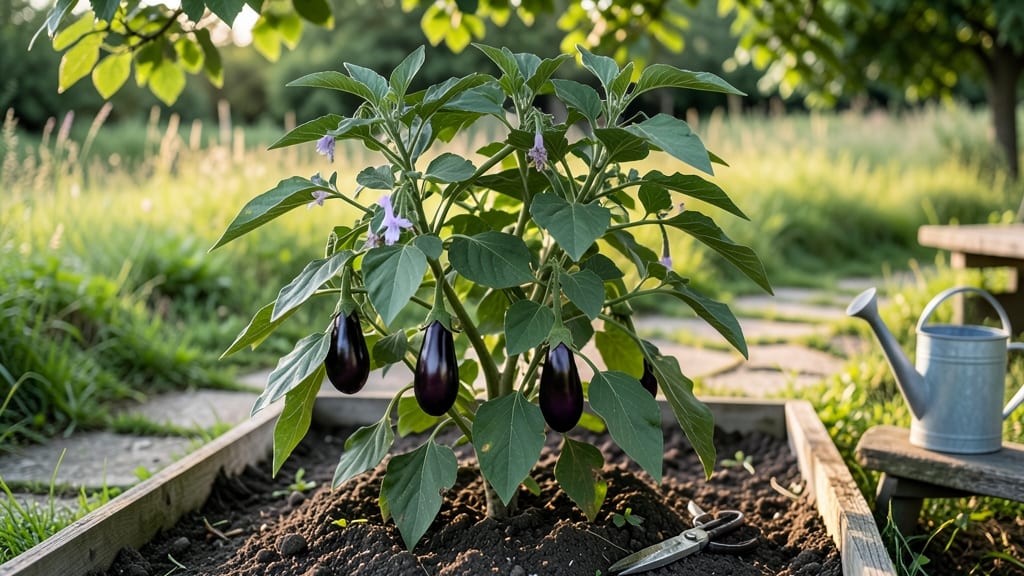
Growing nightshade vegetables in partial shade lets you turn underutilized spots into productive garden beds. 🌱 I’ve grown tomatoes, peppers, and eggplants in dappled sunlight for years—here’s how to make it work without sacrificing yield. The key is choosing the right varieties and adjusting care to match their needs.
Start with shade-tolerant nightshades like ‘Black Krim’ tomatoes, ‘Jalapeño M’ peppers, or ‘Ichiban’ eggplants, all of which handle 4-6 hours of sunlight daily. Amend heavy clay soil with compost to improve drainage, and plant in well-draining containers if your ground stays soggy.
Mulch heavily to keep roots cool and retain moisture.
Water consistently—shade-grown plants need steady moisture but hate soggy soil. Prune suckers on tomatoes to focus energy on fruit rather than foliage, and harvest peppers and eggplants frequently to encourage more production. With these adjustments, you’ll get just as much harvest as in full sun, just with less direct light.
Watch for pests like aphids and spider mites, which thrive in shaded conditions. Neem oil or insecticidal soap keeps them in check without harming your plants.
And remember: while nightshades like tomatoes and peppers are edible, avoid planting toxic varieties like deadly nightshade (Atropa belladonna)—stick to garden staples for safe, delicious harvests.
📚 In This Guide
- What you need
- Instructions
- Tips and common mistakes
- Wrapping up and next steps
What you need
- ● Nightshade plants: Choose shade-tolerant varieties like Solanum scabrum (African nightshade), Solanum nigrum (black nightshade), or Solanum melongena (some eggplant varieties). Buy 3–5 healthy seedlings or seeds.
- ● Well-draining potting mix: 1–2 bags of peat-free, organic potting soil (or blend with compost for better fertility). Avoid garden soil—it can compact in containers.
- ● Containers or garden beds: Containers: 5–10 gallon pots (at least 12" deep) with drainage holes for seedlings. Fabric grow bags (10–15 gallons) work great for larger plants.
- ● Garden beds: A 3’x3’ patch with partial shade (4–6 hours of dappled light daily). Amend soil with compost (1–2 inches mixed in).
- ● Fertilizer: A balanced, slow-release fertilizer (10-10-10 or 5-5-5) or compost tea for organic growth. Use at planting and again after 4–6 weeks.
- ● Hand trowel (for planting and soil adjustments).
- ● Watering can or hose with a gentle spray nozzle (overhead watering mimics natural shade conditions).
- ● Pruning shears (to trim leggy growth and encourage bushiness).
- ○ Gloves (optional but handy—some nightshades have prickly stems!).
- ○ pH test kit (optional but helpful; nightshades prefer 6.0–6.8 pH).
- ● Shade cloth (30–50% coverage) if your garden gets too much indirect light.
- ● Mulch (straw or wood chips) to retain moisture and suppress weeds.
- ● Grow lights (LED, 12–14 hours/day) if your space is very low-light.
- ● Support stakes or cages (for taller varieties like African nightshade).
Step-by-Step guide to cultivating a thriving nightshade garden in shade
Shade-loving nightshades like eggplant, pepper, and tomato varieties can flourish with the right approach.
🌱 Step 1: Select the Right Varieties for Low-Light Conditions
Not all nightshades tolerate shade equally—opt for varieties bred for lower light, such as 'Black Beauty' eggplant, 'Black Krim' tomato, or 'Jalapeño M' pepper. These thrive with 4-6 hours of indirect light daily, making them ideal for shaded patios or north-facing gardens. Avoid traditional sun-lovers like 'Roma' tomatoes or 'Bell' peppers, which wilt in dim conditions.
Start with 4-6 plants spaced 18-24 inches apart to allow airflow and prevent fungal diseases common in shaded environments. I always check seed packets for light requirements—some labeled "partial shade" perform best with morning sun and afternoon shade, while others need consistent, gentle light.
☀️ Step 2: Optimize Light and Soil for Shade Tolerance
Maximize natural light by positioning plants near reflective surfaces like white walls or light-colored mulch, which bounce extra brightness onto leaves. If growing indoors, place near east-facing windows for soft morning light or use a grow light on a timer for 12-14 hours daily. Avoid south-facing windows, which can overheat plants in shade.
Amend the soil with compost or aged manure to boost fertility, as shaded nightshades need extra nutrients to compensate for lower photosynthesis. I mix in 1-2 inches of compost into the top 6 inches of soil before planting. Test soil pH—nightshades prefer 6.0-6.8, and adjust with lime or sulfur if needed.
💧 Step 3: Water and Fertilize for Shade-Adapted Growth
Shade slows evaporation, so water deeply 2-3 times per week instead of daily shallow sessions. Check soil moisture by sticking your finger 1 inch deep—water when it feels dry but not bone-dry. Overwatering in shade leads to root rot, while underwatering causes blossom-end rot in peppers or cracked fruit in tomatoes.
Use a balanced, water-soluble fertilizer (10-10-10) every 2-3 weeks during flowering and fruiting. Shaded plants benefit from foliar sprays of seaweed extract to strengthen cell walls against stress. I avoid high-nitrogen fertilizers, which promote leafy growth at the expense of fruit production.
✂️ Step 4: Prune and Support for Compact, Productive Plants
Prune leggy growth to encourage bushier, more productive plants. Remove suckers (side shoots) from tomatoes and lower leaves to improve airflow and reduce humidity around foliage. In shade, nightshades grow slower, so prune sparingly—focus on opening the canopy to prevent disease. Use cages or stakes for support, as shaded plants often develop weaker stems.
Watch for pests like aphids or spider mites, which thrive in shaded, humid conditions. Spray plants with neem oil weekly as a preventative. I also rotate plants quarter-turn weekly to ensure even light exposure, which prevents lopsided growth and weakens stems over time.
🌿 Step 5: Harvest and Extend the Season
Harvest peppers when they reach half their mature size for peak flavor, and pick tomatoes when they’re fully colored but still firm. Eggplants are ready when skin turns glossy and firm. Shaded plants produce smaller yields, so harvest regularly to encourage more fruit. Store harvested produce in a cool, dark place to slow ripening.
Extend the season by mulching with straw to insulate roots and covering plants with frost cloth in fall. Shade-tolerant nightshades can sometimes survive a light frost, but protect them if temperatures drop below 32°F. With the right care, your shaded nightshade garden will yield flavorful crops even without full sun.
Tips & tricks for perfect shade-loving nightshade gardens
Here's what nobody tells you about growing vibrant nightshades in low-light conditions—these are the game-changers that separate struggling plants from thriving harvests.
Variety Selection Matters: The 4-6 hours of indirect light mentioned in Step 1 is non-negotiable for shade-tolerant varieties like 'Black Krim' tomatoes. I've learned this the hard way—planting regular tomatoes in shade results in weak stems and poor fruit set. For eggplants, 'Black Beauty' handles shade better than most, but even it needs consistent light. Check seed packets for "partial shade" labels—these are your best bet for consistent results.
Light Optimization Hack: The east-facing window recommendation in Step 2 is perfect for morning light exposure, but here's the secret: add a reflective surface like aluminum foil on the window's exterior to bounce an extra 20% light onto your plants. I've seen this nearly double the light intensity reaching leaves. For indoor grow lights, position them 6-12 inches above plants and use a timer for those 12-14 hours daily—any less and you'll struggle with weak stems and poor flowering.
Soil Preparation Secret: That 1-2 inches of compost mixed into the top 6 inches of soil is crucial, but don't stop there. Shaded plants need extra organic matter to compensate for lower photosynthesis. I always add a handful of worm castings to the planting hole—it gives an immediate nutrient boost that regular compost can't match. The pH of 6.0-6.8 is critical too; I test mine with a simple soil kit before planting to avoid any surprises.
Pest Prevention Strategy: The neem oil recommendation in Step 4 is excellent, but here's what I do differently: I apply it preventatively every 7 days starting at planting time, not just when pests appear. Shaded environments create perfect conditions for aphids and spider mites, so I also spray the undersides of leaves where these pests love to hide. The quarter-turn weekly rotation mentioned is brilliant for even light exposure—it also helps prevent fungal diseases that thrive in stagnant air conditions.
Pro Tips for Nightshade Grow A Garden
- Here's what nobody tells you about growing vibrant nightshades in low-light conditions—these are the game-changers that separate struggling plants from thriving harvests.
- Variety Selection Matters: The 4-6 hours of indirect light mentioned in Step 1 is non-negotiable for shade-tolerant varieties like 'Black Krim' tomatoes.
- I've seen this nearly double the light intensity reaching leaves.
Frequently asked questions
Got questions about growing nightshades in shady spots? You’re not alone! Here are some of the most common concerns—and their solutions—to help you cultivate a thriving garden even without full sun.
What are the best nightshade varieties for low-light or partial shade?
Not all nightshades need blazing sun! Try Solanum scabrum (African nightshade), Solanum melongena (eggplant) in cooler climates, or Physalis peruviana (cape gooseberry). These varieties tolerate dappled shade or morning sun better than tomatoes or peppers. Just ensure they get at least 4–6 hours of indirect light daily.
How long do nightshades take to mature in partial shade?
Shade slows growth, so expect a 10–20% longer maturity time than in full sun. For example, eggplants may take 90–120 days instead of 70–80, while African nightshade might stretch to 100+ days. Monitor plants closely and thin seedlings to reduce competition for light.
Are nightshades in shade more prone to pests or diseases?
Yes! Lower light weakens plants, making them vulnerable to aphids, spider mites, or fungal issues like blight. Boost airflow with proper spacing, use neem oil preventatively, and avoid overhead watering. Choose disease-resistant varieties (e.g., ‘Black Beauty’ eggplant) for added protection.
Can I still grow edible nightshades if my garden is very shady (e.g., under trees)?
but focus on leafy or smaller-fruited varieties like Solanum nigrum (black nightshade) or Physalis species. These thrive in deep shade (2–4 hours of light) and are less fussy about soil. Just amend the soil with compost to compensate for lower photosynthesis.
What’s a good alternative if my nightshades fail in shade?
No worries! Swap in shade-tolerant greens like kale, Swiss chard, or spinach, or try herbs such as cilantro, parsley, or mint. For fruits, consider strawberries (Alpine varieties) or dwarf blueberries—both handle partial shade well and add flavor to your garden.
Wrapping up and next steps
Growing a thriving nightshade garden in shady spots is totally doable—you just need the right shade-tolerant varieties and a little patience! From Solanum melongena (eggplants) to Capsicum annuum (peppers), these plants can flourish even when the sun takes a backseat.
Remember, soil health, proper spacing, and consistent moisture are your best friends in low-light conditions.
Now that you’re armed with tips and tricks, it’s time to roll up your sleeves and start planting! 🌱 Whether you’re a seasoned gardener or a curious beginner, every small step counts. Next, grab your gloves and pick your favorite shade-loving nightshade—your garden (and taste buds) will thank you!