
Companion Plants
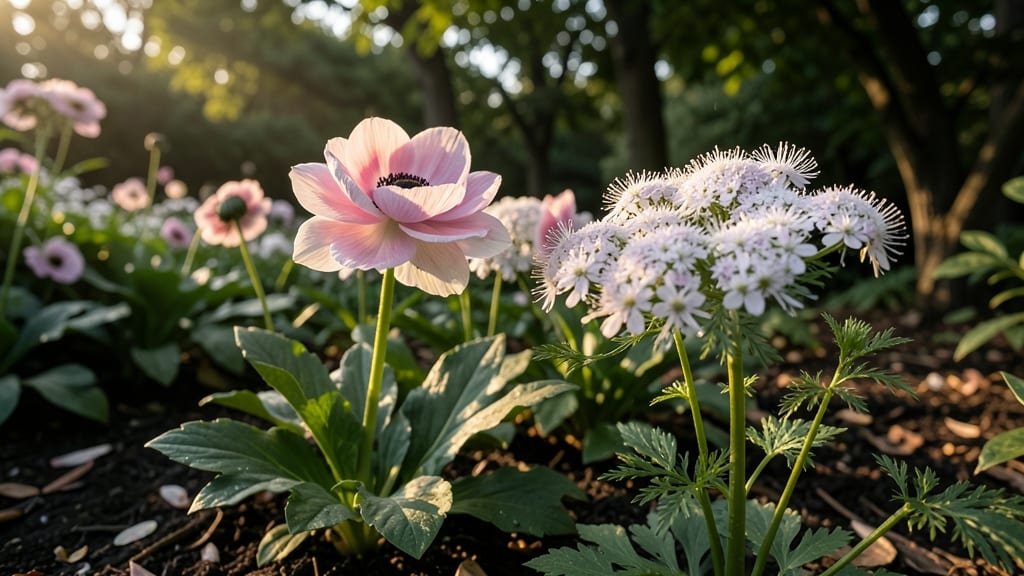
Low-light gardens don’t have to mean dull or struggling plants. These seven thriving plant pairings harness shade’s unique benefits—moisture retention, cooler temperatures, and fewer weeds—to create lush, vibrant spaces that even sun-loving plants can envy.
Hostas and Ferns: Classic Shade Lovers

Tired of shade gardens that look dull or sparse? Hostas and ferns are the dynamic duo that turns dark corners into lush, thriving spaces with almost no effort. This classic pairing combines hostas’ bold, textured leaves with ferns’ airy, delicate fronds—creating visual contrast while keeping maintenance to a minimum.
Plant hostas in well-draining soil with a thick layer of mulch to retain moisture, and tuck ferns nearby for their feathery texture. Both thrive in deep shade (under 3 hours of sunlight) and are naturally deer-resistant, making them perfect for problem areas. For extra impact, choose hostas with variegated leaves (like 'Blue Angel') paired with maidenhair ferns for a soft, ethereal effect.
This combination is ideal for beginners or gardeners with shady spots that feel neglected. With minimal care and maximum reward, you’ll get a garden that stays vibrant all season—no sun required! 🌿
Caladiums and Impatiens: Tropical Shade Splendor

Transform your shady garden corner into a tropical oasis with caladiums and impatiens—two shade-loving stars that bring bold color and texture to partial shade (4–6 hours of sunlight). Unlike hostas and ferns, these plants thrive in humidity and deliver year-round visual appeal, making them perfect for containers, window boxes, or borders.
Start by pairing caladiums (with their dramatic, arrow-shaped leaves in pink, red, or white) alongside impatiens (offering clusters of bright blooms in purple, pink, or white). Both love moist, well-draining soil and benefit from a layer of mulch to retain humidity. For extra drama, plant them in groups of three or five—odd numbers create natural focal points. These plants also tolerate indoor conditions, making them ideal for patios or shaded decks.
This combo is perfect for gardeners who want low-maintenance yet high-impact shade solutions. Plus, their vibrant contrast ensures your garden stays lively even when other plants fade. 🌻
Hellebores and Lungwort: Early Spring Stars

When your garden feels like it’s taking a winter nap, helleborus and lungwort wake up early to steal the show. These underrated duo bloom in late winter or early spring, offering delicate flowers and striking foliage when most plants are still dormant.
Hellebores thrive in dry shade and produce nodding blooms in shades of white, pink, or purple, while lungwort’s heart-shaped leaves feature silvery spots that add texture year-round. Both attract early-season pollinators like bees and butterflies, making them eco-friendly choices. Plant them together for a woodland garden look that requires almost no summer maintenance.
Perfect for gardeners who want beauty without the fuss, this pairing thrives in woodland gardens or under trees where other plants struggle. Their early blooms bring hope to winter-weary landscapes. 🌷
Astilbes and Japanese Painted Ferns: Dramatic Textures

Transform your shady garden into a dynamic display with astilbes and Japanese painted ferns—two plants that bring movement and texture where others falter. Their contrasting forms create a natural vertical garden, perfect for borders or woodland edges where sunlight lingers for just 3–6 hours daily.
The secret to their success lies in moist, well-draining soil—think of them as the divas of the shade world, thriving when kept consistently damp but never soggy. Plant astilbes (in shades of pink, white, or lavender) as your backdrop, their feathery plumes reaching 2–3 feet tall, while Japanese painted ferns spill gracefully at their base. For extra drama, mix in silver or burgundy foliage varieties to heighten the contrast.
This pairing is ideal for gardeners who love textural contrast without the fuss of high-maintenance plants. Perfect for urban courtyards or forest-edge gardens, they’ll reward you with season-long interest—astilbes bloom from midsummer to fall, while ferns stay lush all year. 🌿
Sweet Woodruff and Bleeding Heart: Fragrant Delights

Step into a garden that smells as good as it looks with sweet woodruff and bleeding heart, a fragrant duo that turns dappled shade into a sensory experience. Unlike bold foliage pairings, this combination delivers a subtle, minty aroma that lingers on leaves—perfect for creating a romantic atmosphere under trees or along north-facing walls.
Plant sweet woodruff (with its delicate star-shaped leaves) at the base of bleeding heart (known for its iconic heart-shaped pink blooms), both of which thrive in dappled light and well-draining soil. The woodruff’s scent intensifies when crushed, while bleeding heart’s flowers attract pollinators like bees and butterflies. For best results, mulch with leaf litter to preserve moisture and create a natural woodland feel.
This pairing is ideal for gardeners who want to add fragrance and whimsy to shady spots without high maintenance. The combination works beautifully in cottage gardens, woodland edges, or even containers for patios—where you can enjoy the scent up close. 🌷
Liriope and Carex Grass: Modern Ground Covers

Ready to ditch the high-maintenance lawn without sacrificing beauty? Liriope and Carex grasses offer a sleek, modern alternative that thrives in 3+ hours of sunlight while demanding almost no effort. Their clean lines and varied textures—liriope’s arching blades paired with Carex’s upright spikes—create a polished look perfect for urban gardens, pathways, or as edging.
These grasses excel in drought conditions once established, making them ideal for water-conscious gardeners. Plant them in well-draining soil with occasional mulch to suppress weeds, and watch them spread into a dense, weed-blocking carpet. For contrast, try 'Big Blue' liriope with 'Ice Dance' Carex—their blue-green and silvery hues add visual interest without overwhelming the space.
Perfect for modern minimalists or busy homeowners, this pairing transforms shady areas into low-fuss, high-impact spaces that require less water and mowing. 💚
Coral Bells and Brunnera: Unique Foliage Pairing

Want to add architectural drama to your shade garden without sacrificing color? Coral bells (Heuchera) and brunnera are the dynamic duo that delivers bold foliage contrast in just 4–6 hours of sunlight. Their pairing turns ordinary shady spots into eye-catching displays, with coral bells offering deep purples, oranges, or silvers, while brunnera’s heart-shaped leaves shimmer with silver undersides when backlit.
Both plants thrive in well-draining, slightly acidic soil and appreciate a layer of mulch to retain moisture. Coral bells’ compact mounds (12–18 inches tall) create structure, while brunnera’s airy foliage spills gracefully around them. For extra impact, plant them near pathways where you can admire their textural contrast up close. These deer-resistant perennials also handle drought better than many shade plants, making them ideal for low-maintenance gardens.
This pairing is perfect for gardeners who love foliage-forward designs but want to avoid the fuss of high-maintenance blooms. Whether tucked into woodland gardens or used as container stars, their combination ensures your shade garden stays vibrant and full of personality year-round. 💚