
Shrubs
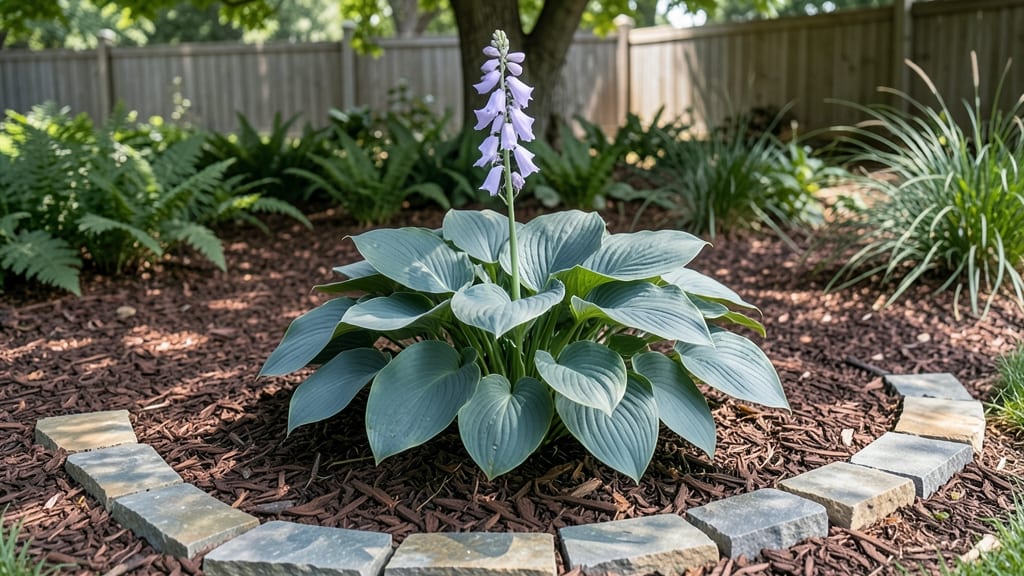
Mostly shade perennials can turn your darkest corners into a lush, vibrant garden. 🌿 I used to think shade meant boring green—until I discovered these bold foliage plants and flowers that thrive in low light.
The right choices transform dappled shade into a showstopper, with textures and colors that outshine sun-loving plants.
Think heuchera with jewel-toned leaves, hostas that glow like emeralds, and astilbes with feathery plumes in pink or white. These plants don’t just survive in shade—they flourish, creating layers of interest from spring through fall.
The secret? Matching their light needs to your space, whether under trees or along a north-facing fence.
You’ll end up with a garden that feels alive even in the shadiest spots—low-maintenance but high-impact. Pair deep purple coral bells with silvery lamium for contrast, or let foamflower cascade over rocks for a delicate touch.
The best part? These perennials return year after year, saving you time and money.
Perfect for small yards, woodland gardens, or even urban patios with partial shade. Let’s bring your darkest corners to life—without sacrificing color or texture.
📚 In This Guide
- What you need
- Instructions
- Tips and common mistakes
- Wrapping up and next steps
What you need
- ● Perennials for shade: Choose 3–5 varieties from this list (or your favorites!): Hosta (Hosta spp.) – 3–5 plants (varies by size)
- ● Astilbe (Astilbe spp.) – 2–3 plants (for fluffy plumes)
- ● Heuchera (Heuchera spp.) – 3–4 plants (for colorful foliage)
- ● Ferns (Dryopteris, Matteuccia, or Osmunda) – 2–3 plants (for texture)
- ● Bleeding Heart (Dicentra spectabilis) – 2–3 plants (for heart-shaped blooms)
- ● Lungwort (Pulmonaria spp.) – 2–3 plants (for early spring color)
- ● Mulch: 2–3 bags (2–3 cubic feet each) of shredded bark, pine straw, or compost (helps retain moisture and suppress weeds).
- ● Compost or organic fertilizer: 1–2 bags (10–20 lbs) of balanced, slow-release fertilizer (10-10-10 or similar) or worm castings.
- ● Garden trowel (for small plants) or garden spade (for larger perennials).
- ● Pruning shears (for trimming dead foliage or shaping plants).
- ● Garden gloves (to protect your hands from thorns or rough foliage).
- ● Watering can or hose with a gentle spray nozzle (for delicate watering).
- ● Measuring tape or ruler (to space plants correctly—most perennials need 12–24 inches between them).
- ○ Optional but helpful: Soil test kit (to check pH and nutrient levels).
- ● Garden kneeler or pad (for comfort).
- ● Plant labels (to track varieties).
- ● Soil prep: Loosen soil to a depth of 12 inches and amend with compost if your soil is heavy clay or sandy. Aim for well-draining, slightly acidic to neutral soil (pH 6.0–7.0).
- ● Sunlight assessment: Confirm your area gets less than 4–6 hours of direct sun daily (partial to full shade).
- ● Water source nearby: Ensure easy access to water for the first 2–3 weeks after planting.
- ● Planting schedule: Best times to plant are early spring or fall (avoid extreme heat or frost).
How to design a thriving shade garden with perennial plants
Here's how I create a lush, low-maintenance shade garden that stays vibrant all season long.
🌿 Step 1: Assess Your Shade Conditions First
Not all shade is equal—start by mapping your garden's light levels. Walk through your space at different times of day to identify dry shade (under trees with little dappled light) versus moist shade (near foundations or north-facing walls). Mostly shade perennials fall into three categories: full shade (less than 3 hours of sun), partial shade (3-6 hours), and dappled shade (filtered light through trees). I always sketch a quick diagram marking these zones—this prevents planting sun-lovers like hostas in dry shade where they'll struggle.
Use a light meter app or simply observe how sunlight moves across your space. If you notice leaves browning on existing plants, that's your clue the shade is too intense for them. For true full shade, focus on plants like Helleborus (Lenten rose) or Lamium (dead nettle). In partial shade, you can mix in Astilbe or Ferns for texture. The key is matching plant needs to your actual light conditions—not what you think you have.
🪴 Step 2: Prepare Soil for Moisture-Retentive Growth
Shade garden soil needs to stay moist but not soggy—organic matter is your secret weapon. Amend native soil with 3-4 inches of compost or well-aged leaf mold to improve drainage while retaining moisture. I like to work in peat moss (if available) or coco coir for extra water-holding capacity, especially in dry shade areas. For heavy clay soils common in shade gardens, mix in coarse sand or perlite to prevent compaction.
Test your soil's pH—most shade perennials prefer slightly acidic to neutral (6.0-7.0). If your soil runs alkaline, add sulfur or pine needles to lower the pH gradually. Avoid fresh mulch directly against stems, which can cause rot. Instead, create a 2-inch mulch ring around plants, keeping it 4-6 inches deep away from the crown. This mimics the forest floor where most shade perennials evolve.
☀️ Step 3: Select Plants for Layered Texture and Seasonal Interest
Design with height, foliage, and bloom cycles in mind. Start with tall structural plants like Rodgersia or Giant Solomon's Seal (4-5 feet) at the back, then add mid-height perennials such as Japanese Painted Fern or Coral Bells (18-24 inches). Fill the front with ground covers like Sweet Woodruff or Bugleweed to prevent weeds. I always include at least three plants with winter interest—Hellebores, Winter Aconite, or Dwarf Fothergilla—to keep the garden lively year-round.
For color, mix early bloomers (Hellebores in late winter), mid-season (Astilbe in summer), and late-season (Toad Lilies in fall). The key is contrasting foliage—pair the deep purple of Persicaria with the silvery Lamium or the chartreuse of Gooseneck Loosestrife. This creates visual drama even when flowers aren't in bloom. I group plants by water needs to simplify maintenance—moisture-lovers like Japanese Anemone together, drought-tolerant types like Crested Iris in another section.
💧 Step 4: Establish a Consistent Watering Routine
Newly planted shade perennials need deep watering twice weekly for the first month, then taper to once weekly once established. The goal is to keep soil consistently moist but not waterlogged. I use a soaker hose set on low for 20 minutes per section to avoid disturbing mulch. In true shade, you'll water less frequently than in sun—once every 10-14 days once roots establish—because less evaporation occurs.
Watch for yellowing leaves—this often signals overwatering in shade gardens. If the soil feels soggy to the touch, cut back immediately. For dry shade under trees, consider drip irrigation to deliver water directly to roots where tree roots compete. Mulch acts as a moisture barrier, so always reapply 2-3 inches annually to maintain its effectiveness. The first year is critical—proper watering prevents 80% of shade plant failures.
✂️ Step 5: Prune Strategically for Continuous Bloom and Health
Most shade perennials bloom on new growth, so prune after flowering to encourage next season's blooms. Cut back dead or damaged foliage in early spring, but leave last year's seed heads on plants like Japanese Anemone for winter interest. I use clean, sharp pruners and make cuts at a 45-degree angle just above a leaf node. For Hellebores, I remove only fully brown stems—their evergreen foliage provides year-round structure.
Divide crowded perennials like Hostas or Astilbe every 3-4 years in early spring or fall. Dig up the plant, separate the crowns with a clean knife, and replant immediately. This prevents center die-out and rejuvenates growth. For ferns, simply trim back brown fronds to the crown in late winter—no need for drastic pruning. The rule is: if it's dead, remove it; if it's alive, leave it alone. This keeps your shade garden looking intentional, not over-pruned.
Tips & tricks for perfect shade garden design
Creating a thriving shade garden isn't just about planting—it's about understanding the subtle differences that make all the difference.
Light Mapping is Non-Negotiable: When assessing your shade in Step 1, use a white board or large piece of paper to sketch your garden's light patterns at different times of day. Mark where sunlight hits at 10 AM, noon, and 4 PM—this reveals microclimates you might miss by eyeballing. I once planted a batch of Hellebores in what I thought was full shade, only to discover they were getting 4 hours of morning sun. They struggled for two years before I caught the mistake. Trust me, this small step prevents costly replanting.
Soil Amendments Need Precision: In Step 2, when amending your soil with 3-4 inches of compost, work it into the top 6-8 inches of soil—not just the surface. This creates a deep moisture reservoir that shade plants crave. For clay-heavy soils, mix in coarse sand or perlite in a 1:1 ratio with compost to prevent compaction. I've seen shade gardens fail spectacularly because the soil was amended too shallowly—roots can't access the moisture they need when the amendment layer is too thin.
Plant Layering Creates Drama: The magic in Step 3 happens when you layer plants by height and texture. Start with tall structural plants like Rodgersia (4-5 feet) at the back, then add mid-height perennials like Japanese Painted Fern (18-24 inches), and fill the front with ground covers. Pro tip: Group plants with similar water needs together—this makes maintenance effortless. I group moisture-lovers like Japanese Anemone in one section and drought-tolerant types like Crested Iris in another. This prevents overwatering or underwatering entire sections.
Watering Wisdom Saves Plants: The 20-minute soaker hose routine in Step 4 works wonders, but timing matters. Water in the early morning to prevent fungal diseases from overnight moisture. In true shade areas, you might only need watering once every 10-14 days after establishment, but check soil moisture by sticking your finger 2 inches deep—if it feels dry, water. I've lost count of the shade gardens where overwatering (not underwatering) caused yellowing leaves and plant decline. Mulch is your best friend here—always maintain that 2-3 inch layer to lock in moisture.
Pro Tips for Mostly Shade Perennials
- Creating a thriving shade garden isn't just about planting—it's about understanding the subtle differences that make ...
- Light Mapping is Non-Negotiable: When assessing your shade in Step 1, use a white board or large piece of paper to sk...
- Soil Amendments Need Precision: In Step 2, when amending your soil with 3-4 inches of compost, work it into the top 6...
Frequently asked questions
Got questions about growing mostly shade perennials?
You’re not alone! Here are some of the most common concerns—and straightforward answers—to help you confidently create a lush, low-light garden.
What are the best mostly shade perennials for beginners?
Start with hardy, low-maintenance picks like Hosta (for foliage), Astilbe (for feathery plumes), or Heuchera (for vibrant leaves). These thrive in 4–6 hours of shade, tolerate poor soil, and bounce back easily. Pro tip: Choose varieties labeled "partial shade" to avoid disappointment!
How long does it take for mostly shade perennials to establish?
Most perennials take 1–2 growing seasons to fully root and show their best colors. Focus on consistent watering (especially the first year) and mulch to retain moisture. Patience pays off—after year two, many (like Bleeding Heart or Lungwort) reward you with bold displays!
Can I grow flowers in deep shade (less than 3 hours of sun)?
Opt for Japanese Painted Fern, Christmas Fern, or Lamium (for purple foliage and tiny flowers). For color, try Impatiens (annual but shade-loving) or Bleeding Heart. Warning: Avoid sun-loving perennials like Daylilies or Coneflowers—they’ll sulk in deep shade.
Why are my shade perennials looking leggy or sparse?
Leggy growth usually means too much indirect light or overcrowding. Trim back overgrown leaves in early spring to encourage bushier growth. If soil is compacted, amend with compost or organic matter. Quick fix: Divide clumps every 3–4 years to rejuvenate plants like Hosta or Coral Bells.
Are mostly shade perennials deer-resistant?
Not all! Hosta and Astilbe are deer magnets, while Lungwort, Solomon’s Seal, and Foxglove (toxic to deer) are safer bets. For extra protection, add fencing or repellent plants like Lamium or Fern as a buffer.
Wrapping up and next steps
Transforming your shady spots into vibrant gardens is easier than you think! 🌿 From the striking Hosta to the bold Heuchera, these mostly shade perennials prove that low-light areas can be just as stunning as sun-drenched ones.
With the right plants and a little care, you’ll create a lush, low-maintenance retreat that thrives year after year.
Ready to take the next step? Start small—pick 1-2 plants that catch your eye, experiment with textures and colors, and watch your shade garden come to life! 🌸