
Plants
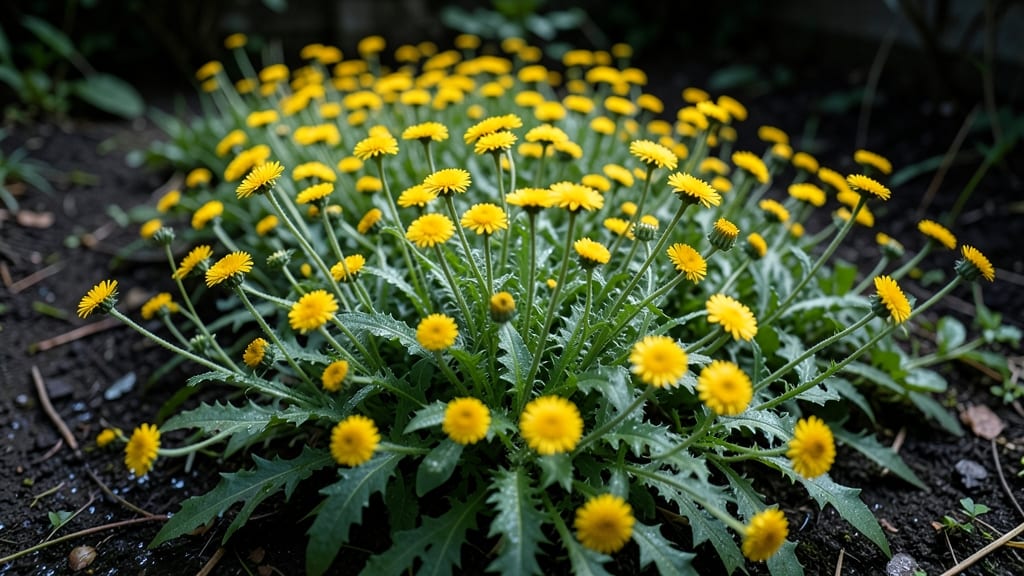
Tired of mosquitoes ruining your shaded garden oasis? These 10 natural repellent plants thrive in low-light conditions, offering fragrant barriers that keep pests away without harsh chemicals.
Lemon Balm Herbal Ground Cover
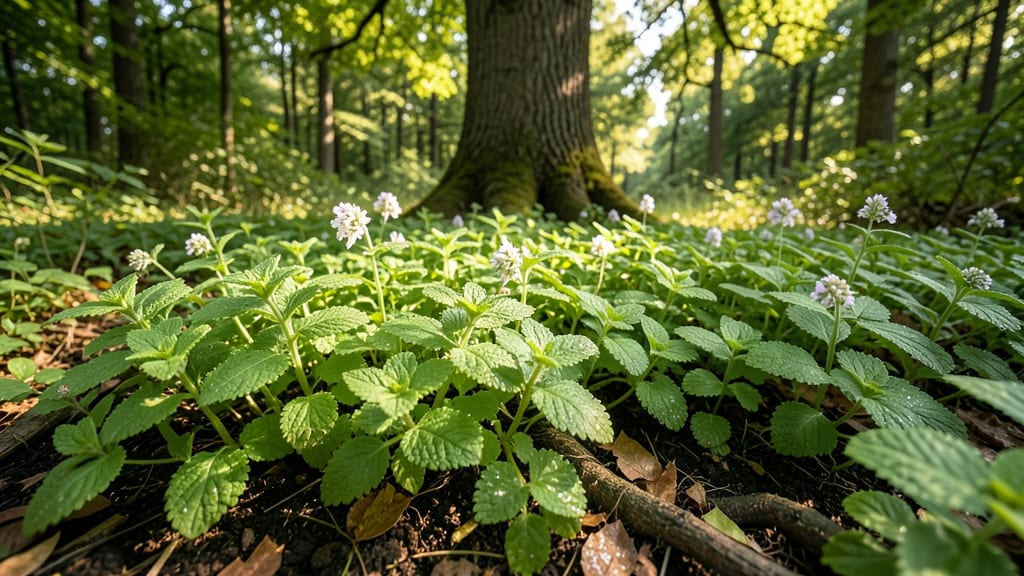
Transform your shaded garden into a dual-purpose haven with lemon balm—a fast-spreading ground cover that repels mosquitoes while adding fresh lemony flavor to your kitchen. This hardy perennial thrives in partial to full shade, making it perfect for under trees where other plants struggle.
Lemon balm releases natural citronella-like oils that mosquitoes despise, while its fragrant foliage attracts pollinators like bees and butterflies. Plant it in clusters along pathways or borders to create a living barrier. It spreads aggressively, so contain it with edging or in containers if needed—just be prepared for its enthusiastic growth!
Herb gardeners and mosquito-weary homeowners will love this low-maintenance plant that keeps coming back year after year. 🌿
Catnip Mosquito Magnet
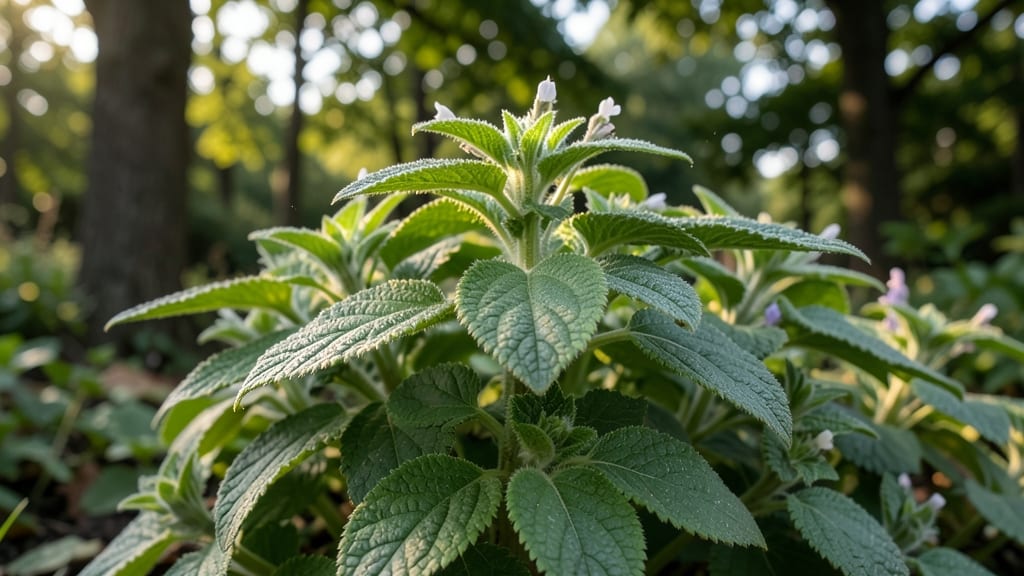
If you're tired of chemical sprays but still want to keep mosquitoes at bay, catnip might be your secret weapon—it's 10 times more effective than DEET in repelling pests! This hardy perennial thrives in partial shade while producing fragrant foliage that both mosquitoes and cats adore.
Catnip contains nepetalactone, a compound that disrupts mosquitoes' ability to locate hosts. Plant it in clusters near seating areas or along pathways for maximum effect. Bonus: It's low-maintenance, drought-tolerant once established, and even adds a touch of purple blooms to your garden in summer.
This dual-purpose plant is perfect for gardeners who want to attract feline visitors while keeping pests away—ideal for patios, container gardens, or shaded borders. 🌻
Sweet Woodruff Fragrant Border
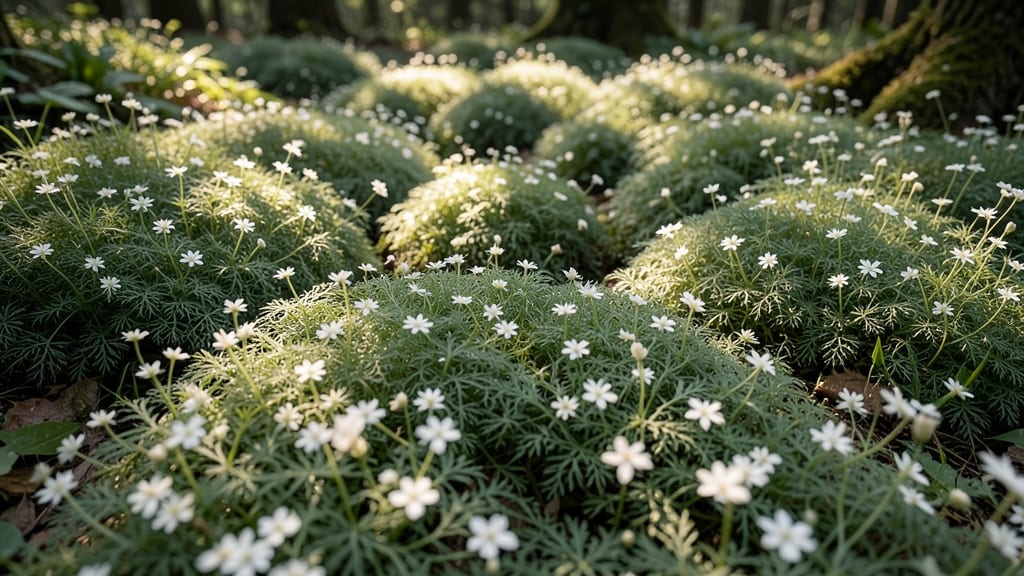
Transform your shady woodland garden into a fragrant, mosquito-free retreat with sweet woodruff. This delicate ground cover produces charming white star-shaped flowers that release a natural coumarin scent—a subtle, sweet aroma that mosquitoes despise while creating a lush, lacy carpet underfoot.
Thriving in partial to full shade, sweet woodruff spreads gently to fill gaps between trees or shrubs, suppressing weeds and adding texture. It prefers moist, well-drained soil and blooms in late spring, releasing its repellent fragrance when you need it most. Perfect for borders, pathways, or as a living mulch, it’s low-maintenance and deer-resistant.
Woodland gardeners and those seeking natural pest control will love how sweet woodruff blends beauty with function—its airy foliage and delicate blooms create a serene, fragrant haven where mosquitoes won’t dare linger. 🌿
Basil Citrus Repellent Tower
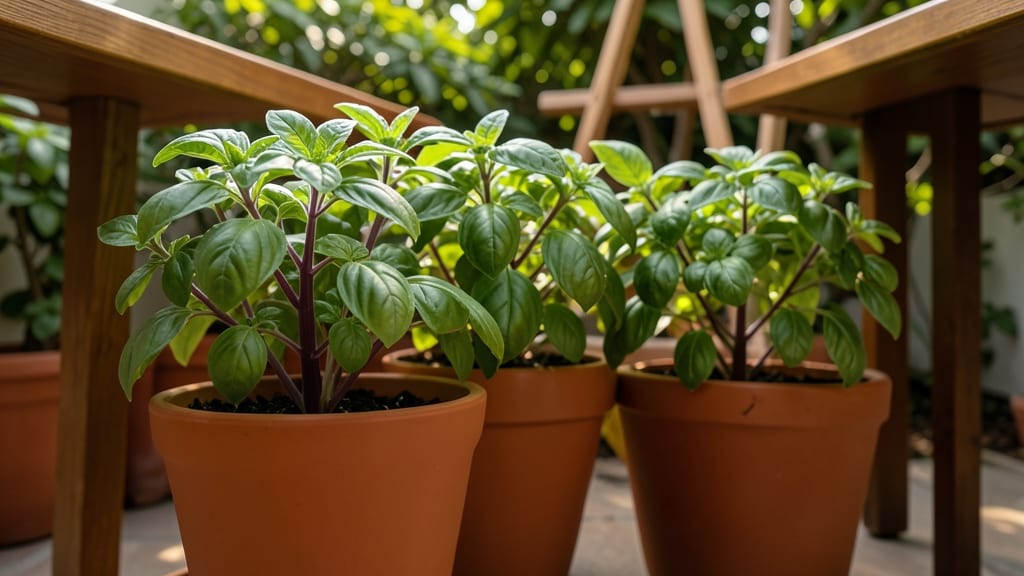
Turn your shaded patio into a mosquito-free zone without sacrificing style—dwarf basil varieties like 'Spicy Globe' pack a citrusy punch that repels pests while thriving in containers. Unlike traditional basil, these compact plants stay manageable (12-18 inches tall) and produce intense lemony aromas that mosquitoes despise, making them perfect for small spaces.
Plant in well-draining potting mix with morning sun or dappled shade (they tolerate 4-6 hours of light daily). Harvest leaves regularly to encourage bushier growth and stronger scent production. For extra protection, place containers near seating areas—the closer to you, the better the repellent effect. Bonus: These varieties are culinary-grade, so you get fresh herbs for cooking too!
Urban gardeners and balcony growers will love this space-saving solution—it’s the only dual-purpose plant on this list that gives you both pest control and kitchen herbs in one fragrant package. 🌱
Mint Mosquito Shield Border
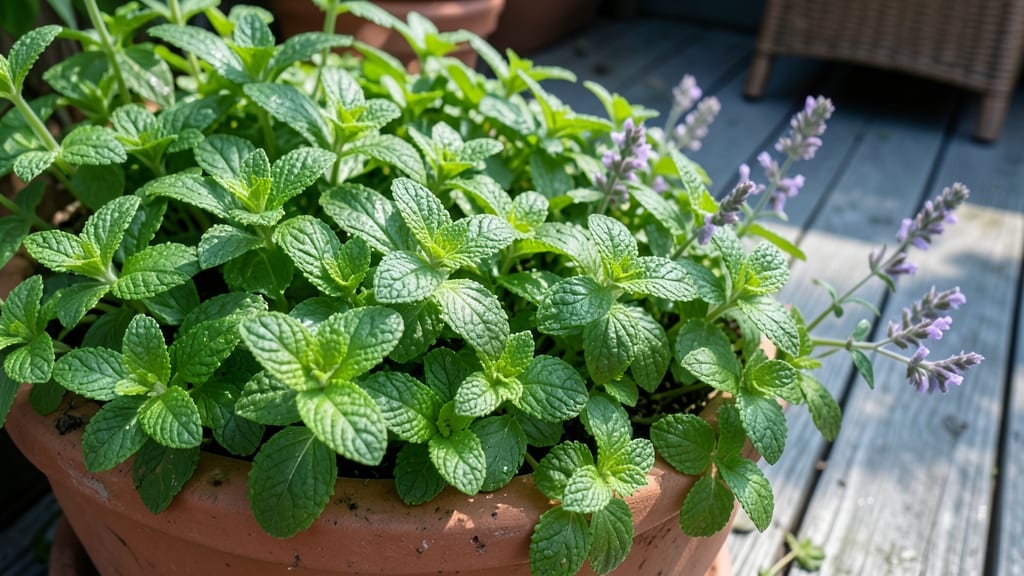
If your patio is a mosquito magnet—especially in shady corners—mint is your secret weapon. This fast-spreading plant releases menthol compounds that mosquitoes actively avoid, making it one of nature’s most effective (and fragrant) repellents.
Mint thrives in partial to full shade, making it perfect for under decks or along north-facing walls. To keep it contained, plant it in buried pots or raised beds—its aggressive roots will thank you later. Varieties like peppermint or spearmint work best, and crushing a few leaves releases the scent even more effectively.
Urban gardeners and small-space enthusiasts will love this low-maintenance solution—just be prepared for its enthusiasm! A well-placed mint border can turn a problematic patio into a bug-free retreat. 🌱
Lavender Hydrangea Hybrid
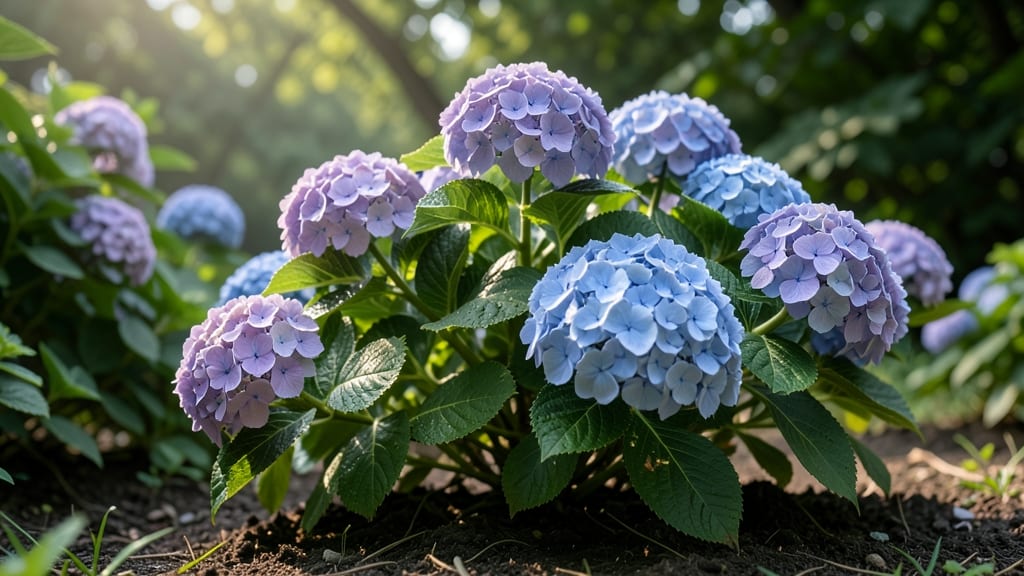
Want a shade-tolerant plant that doubles as a fragrant mosquito repellent and a showstopper? The lavender hydrangea hybrid delivers all three—with its lavender-blue blooms that shift color with soil pH, releasing natural oils mosquitoes despise.
This hardy crossbreed thrives in partial to full shade, handling everything from morning sun dapples to deep woodland shade. Plant it in well-draining soil with consistent moisture, and watch it reward you with seasonal color transformations—pink, purple, or blue blooms that peak in summer. The scent alone deters pests while attracting pollinators, making it a multi-functional garden star.
Perfect for urban gardeners with limited sun or cottage gardeners craving low-maintenance beauty, this hybrid proves you don’t need full sun to enjoy both function and form. 🌻
Rosemary Shade-Tolerant Bush
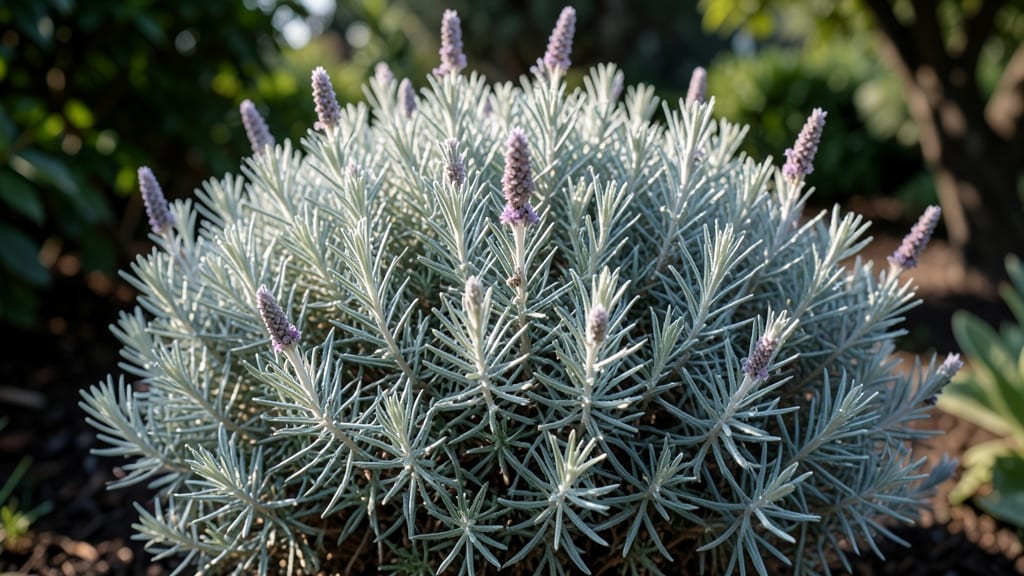
Looking for a dual-purpose plant that keeps mosquitoes and deer away while adding Mediterranean charm to your shady garden? Dwarf rosemary bushes like 'Blue Spires' are your answer—this compact variety thrives in partial shade and releases a potent camphor scent that pests can't stand.
Unlike full-sun rosemary, these shade-tolerant bushes grow just 12-18 inches tall, making them perfect for containers or borders. Their blue-green foliage stays fragrant year-round, and they require minimal care—just well-draining soil and occasional pruning. The bonus? You can harvest leaves for cooking while enjoying their pest-repelling benefits.
This is ideal for gardeners who want a low-maintenance, multi-functional plant that works in shaded patios, woodland edges, or even near seating areas. 💚
Bee Balm Pollinator Magnet
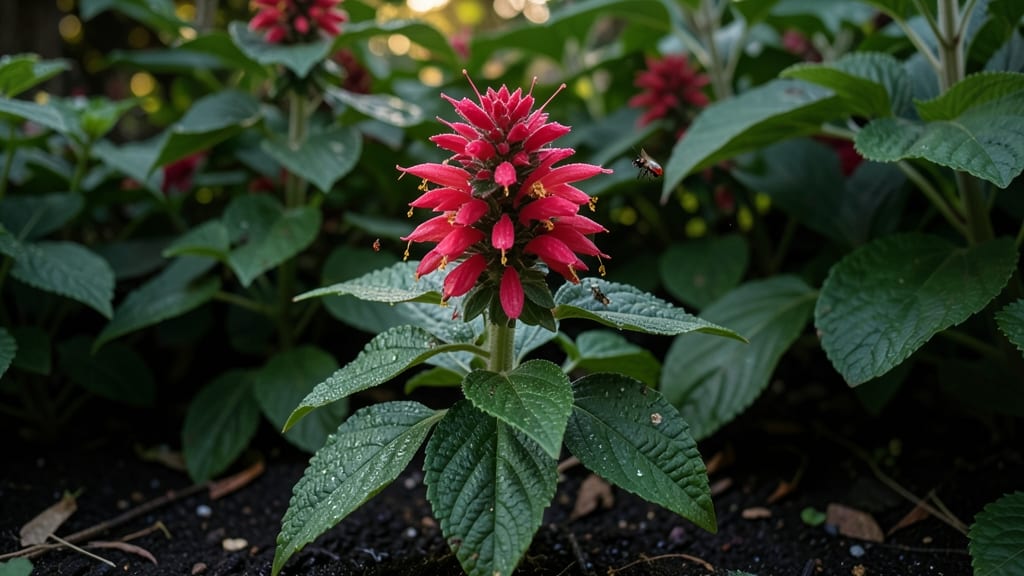
Want a natural way to reduce mosquitoes in your shaded garden without harsh chemicals? Bee balm isn't just beautiful—its bright red tubular flowers act as a magnet for predatory insects like ladybugs and lacewings, which feast on mosquito larvae and adults.
This hardy perennial thrives in moist, shaded woodland conditions, making it perfect for understory plantings or damp garden corners. Plant it in clusters near seating areas or water features to maximize its mosquito-deterring benefits. Just ensure it gets at least 4-6 hours of dappled sunlight daily for best blooms.
Ideal for gardeners who love pollinators and want to create a self-sustaining ecosystem—bee balm's vibrant blooms will keep your garden buzzing with life while keeping mosquitoes at bay. 🌻
Geranium Mosquito-Repelling Ground Cover
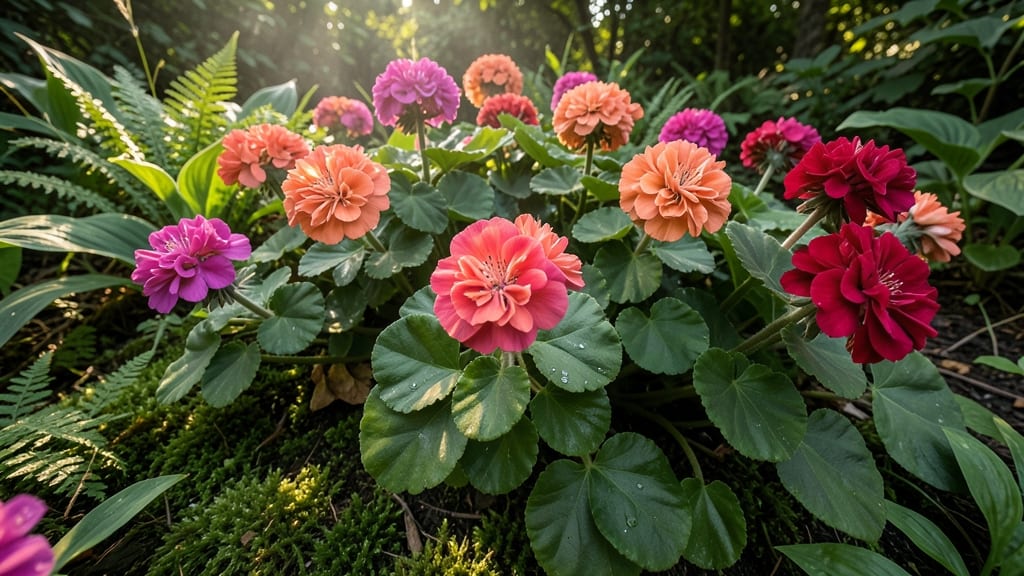
If you're tired of mosquitoes turning your shaded garden into an off-limits zone, zonal geraniums might just be your secret weapon. These vibrant plants don't just add color—they naturally repel pests with their subtle citronella-like scent, making them a dual-purpose ground cover that works hard while looking stunning.
Unlike many mosquito-repelling plants, zonal geraniums thrive in partial to full shade, creating a lush, weed-suppressing carpet that stays vibrant all season. Varieties like 'Johnson's Blue' or 'Rozanne' produce clusters of pink, purple, or white blooms from early summer through fall, while their dense foliage blocks weeds and deters pests. They’re also drought-tolerant once established, making them ideal for low-maintenance shade gardens.
Perfect for beginners or busy gardeners, these geraniums require minimal care—just well-draining soil and occasional deadheading. Their natural pest-repelling properties make them especially valuable for patios, garden borders, or under trees, where mosquitoes love to linger. 💚
Tansy Golden Shield Plant

If you're dealing with soggy, shaded spots where most plants struggle, tansy (Tanacetum vulgare) is your secret weapon. This hardy perennial thrives in wet, low-light conditions while producing clusters of bright yellow button flowers that contain thujone—a natural mosquito repellent.
Plant tansy in rain gardens, boggy areas, or near water features where it will self-seed and spread, creating a golden shield against mosquitoes. Its fuzzy, aromatic foliage adds texture and fragrance, while the flowers attract beneficial insects like ladybugs and lacewings. Just be aware it can spread aggressively—ideal for gardeners who want low-maintenance coverage in challenging spots.
Perfect for those with moist, shaded gardens who want both beauty and pest control, tansy is a standout choice for natural mosquito deterrence. 🌻