
Pests
Tired of mosquitoes ruining your shaded garden or patio? These 10 natural, low-light plants repel biting insects without needing direct sunlight, creating a bite-free oasis in your yard.
Citronella Grass for Shady Spots

If you love the idea of citronella candles but hate the artificial scent, citronella grass is your natural solution—even in shady spots. This hardy perennial thrives in partial shade (3-6 hours of sunlight) and releases its signature mosquito-repelling oil continuously, making it perfect for patios, container gardens, or borders near seating areas.
To maximize its pest-deterring power, plant citronella grass in well-draining soil and water deeply once a week (less in winter). It grows 2-4 feet tall, so tuck it near pathways or edges where its fragrant foliage can waft over your outdoor space. For best results, pair it with lavender or lemongrass to create a multi-layered defense against mosquitoes.
Urban gardeners and renters will love that citronella grass grows beautifully in pots, and its low-maintenance care makes it ideal for beginners. Just avoid overwatering—soggy roots reduce its effectiveness. 🌱
Lemongrass with Variegated Leaves

Skip the kitchen and grow variegated lemongrass as a mosquito-confusing powerhouse that thrives in shade. Unlike its solid-leaf cousin, this striking plant features striped green-and-white foliage while releasing the same citrusy scent that repels pests—naturally.
Plant it in containers or garden beds with well-draining soil and 4+ hours of filtered light. It’s ideal for small patios, indoor-outdoor transitions, or even sunny windowsills—just keep it hydrated without soggy roots. The tall, architectural stalks add tropical flair while keeping your space bite-free.
Perfect for urban gardeners or anyone with limited sun, this dual-purpose plant works as both a living repellent and a fragrant accent. 🌿
Catnip Plants for Mosquito Control

If you’ve ever wondered why cats go wild for catnip, you’ll love this secret: the same compound that drives felines crazy—nepetalactone—is actually 2-4 times more effective than DEET at repelling mosquitoes. Studies show catnip’s natural oil disrupts mosquitoes’ ability to locate hosts, making it a powerhouse for shaded patios and gardens.
This hardy annual thrives in partial shade (3-6 hours of sunlight) and grows 2-3 feet tall, perfect for borders or containers near seating areas. Plant it in well-draining soil and water moderately—it’s drought-tolerant once established. The bonus? It’s completely pet-safe, so your cats can sniff it while you enjoy bite-free evenings. For maximum effect, crush a few leaves to release more nepetalactone.
Pet owners and urban gardeners will adore catnip—it’s the only plant on this list that doubles as entertainment for your feline friends while keeping mosquitoes at bay. 🌿
Basil Varieties for Shade Tolerance

If you’ve ever struggled to grow basil in shady spots but still want its fresh flavor and pest-repelling benefits, try Genovese, Thai, or purple basil—these varieties thrive in partial shade while keeping mosquitoes at bay with their strong, aromatic leaves.
These shade-tolerant basils prefer 3-6 hours of indirect sunlight and well-draining soil. Pinch back flower buds to encourage leaf growth, and harvest regularly to maintain their mosquito-deterring power. Purple basil adds a striking visual contrast to containers or garden beds, while Thai basil brings a spicy anise flavor perfect for cooking.
Perfect for urban gardeners, balcony planters, or kitchen windowsills, these basils offer a dual-purpose solution: fresh herbs for meals and natural pest control. Just avoid overwatering to prevent root rot. 🌿
Peppermint Herb for Mosquito Deterrence

Want a mosquito-free zone in your shady garden without harsh chemicals? Peppermint herb is your secret weapon—its intense minty scent overpowers the human odors that attract mosquitoes, making your outdoor space less appealing to pests. Unlike other repellent plants, peppermint thrives in low-light conditions and spreads aggressively, but with proper containment, it becomes a fragrant, bite-free powerhouse.
Plant peppermint in containers or raised beds to control its spread, as it can quickly take over garden spaces. It prefers moist, well-draining soil and 4+ hours of indirect sunlight, making it perfect for shaded patios, garden corners, or even near windows. For maximum effectiveness, crush a few leaves and rub them on your skin or place pots near seating areas—the stronger the scent, the better the repellent.
This hardy herb is ideal for urban gardeners, balcony planters, or anyone with limited sun, offering both pest control and a refreshing aroma. Just be prepared for its vigorous growth—harvest regularly to keep it manageable and enjoy a naturally mosquito-free retreat. 💚
Marigold Flowers in Shade Gardens

Brighten up your shady garden corners while keeping mosquitoes at bay with French marigolds (Tagetes)—the secret weapon for dark, often overlooked spaces. These cheerful blooms thrive in partial shade (3-6 hours of sunlight) and release pyrethrum, a natural compound that disrupts mosquitoes' ability to locate hosts, making them a dual-purpose powerhouse.
Plant French marigolds in well-draining soil and pinch back spent blooms to encourage continuous flowering. Their vibrant orange, yellow, and gold hues add warmth to shady beds, while their pest-repelling properties create a natural barrier. For best results, interplant with catnip or lemongrass to amplify their mosquito-deterring effects.
Perfect for urban gardeners, woodland gardens, or patio containers, these marigolds require minimal care and deliver maximum impact. Their ability to thrive in shade makes them an ideal choice for transforming dull corners into lively, bite-free retreats. 🌻
Rosemary Bushes for Low-Light Areas

If you love the earthy, pine-like fragrance of rosemary but assumed it needed full sun, think again—this drought-resistant herb thrives in low-light areas while naturally confusing mosquitoes with its potent aroma. Unlike sun-loving herbs, rosemary adapts to partial shade (3-6 hours of filtered light), making it perfect for shaded patios, containers near north-facing walls, or understory plantings.
For best results, plant rosemary in well-draining soil and water sparingly—its drought tolerance means it prefers dry conditions. Prune regularly to encourage bushier growth, and pair it with thyme, oregano, or lavender in Mediterranean-style containers for a multi-layered mosquito defense. The woody scent not only deters pests but also adds a sophisticated touch to your garden.
Ideal for urban gardeners, balcony planters, or anyone with limited sun, rosemary’s low-maintenance care and dual-purpose benefits make it a standout choice. Plus, its evergreen foliage provides year-round interest and protection. ✨
Lavender Plants in Partial Shade

Transform your shady garden retreat into a serene, mosquito-free haven with lavender—the ultimate dual-purpose plant. While it’s famous for its soothing fragrance, lavender’s secret weapon is linalool, a natural compound that disrupts mosquitoes’ ability to locate hosts, making it a science-backed repellent without the chemicals.
Unlike many shade-loving plants, lavender thrives in partial shade (3-6 hours of sunlight) and prefers well-draining soil to prevent root rot. Plant it in containers or garden beds near seating areas, where its fragrant blooms will double as both a decorative centerpiece and a natural insect barrier. For best results, pair it with rosemary or catnip to create a layered defense system that keeps pests away while adding texture to your garden.
This versatile plant is perfect for urban gardeners, balcony planters, or anyone seeking low-maintenance beauty. Plus, its calming scent benefits humans while its linalool content creates a chemical-free mosquito shield—nature’s perfect solution for shaded spaces. 🌷
Geraniums with Mosquito-Repelling Properties

Looking for a mosquito-repelling plant that doubles as a stunning ornamental? Meet Pelargonium citronellum, or the "mosquito plant"—a geranium variety that thrives in shade and emits a citrusy scent that mosquitoes despise. Unlike other repellent plants, this one doesn’t just mask odors; it actively confuses pests with its natural chemistry.
This shade-loving perennial grows 1-2 feet tall and blooms with delicate pink or white flowers, making it ideal for hanging baskets, window boxes, or garden borders. Plant it in well-draining soil with 4+ hours of filtered light and water moderately—overwatering can dilute its scent. For extra protection, crush a few leaves to release more of its mosquito-deterring oils.
Perfect for urban balconies, patio containers, or understory plantings, this geranium is low-maintenance and pet-safe. It’s the only plant on this list that combines beauty and functionality without requiring full sun. 🌷
Bee Balm for Shady Mosquito Defense

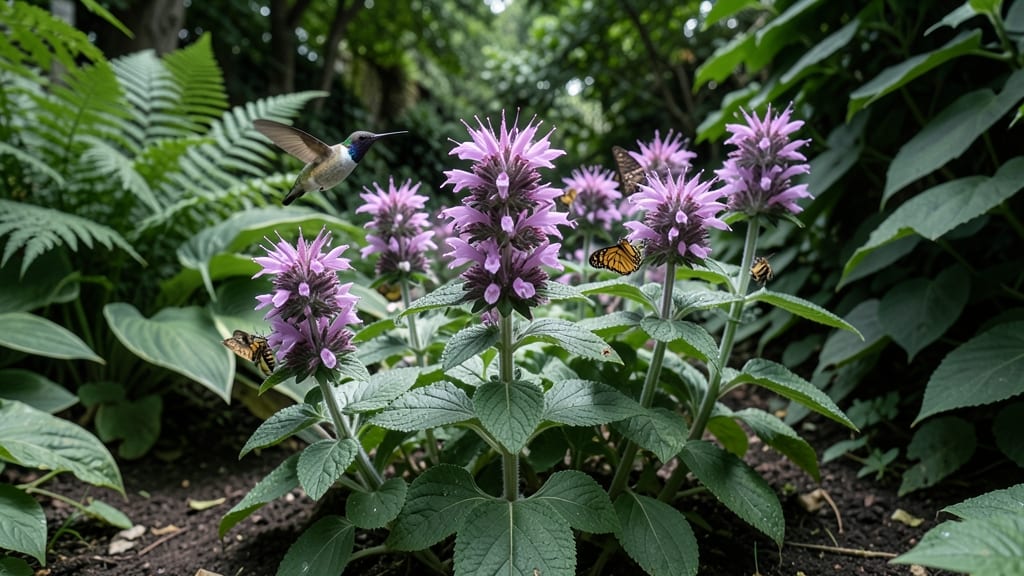
Turn your shady garden into a pollinator paradise while keeping mosquitoes at bay with bee balm—nature’s dual-purpose powerhouse. This hardy perennial, also called wild bergamot, thrives in partial to full shade and produces fragrant, tubular blooms that attract bees, butterflies, and hummingbirds while emitting a scent mosquitoes find unappealing.
Plant bee balm in moist, well-draining soil and watch it spread into lush clumps 2-4 feet tall. Its deep pink, purple, or white flowers bloom from mid-summer to fall, providing continuous color and fragrance. For extra pest protection, crush a few leaves to release more of its natural oils—mosquitoes will take the hint and fly elsewhere.
Perfect for woodland gardens, cottage-style borders, or container plantings, bee balm is a low-maintenance choice that rewards gardeners with both beauty and function. Plus, its ability to thrive in shade makes it ideal for understory plantings or north-facing patios. 🌷