
Shrubs
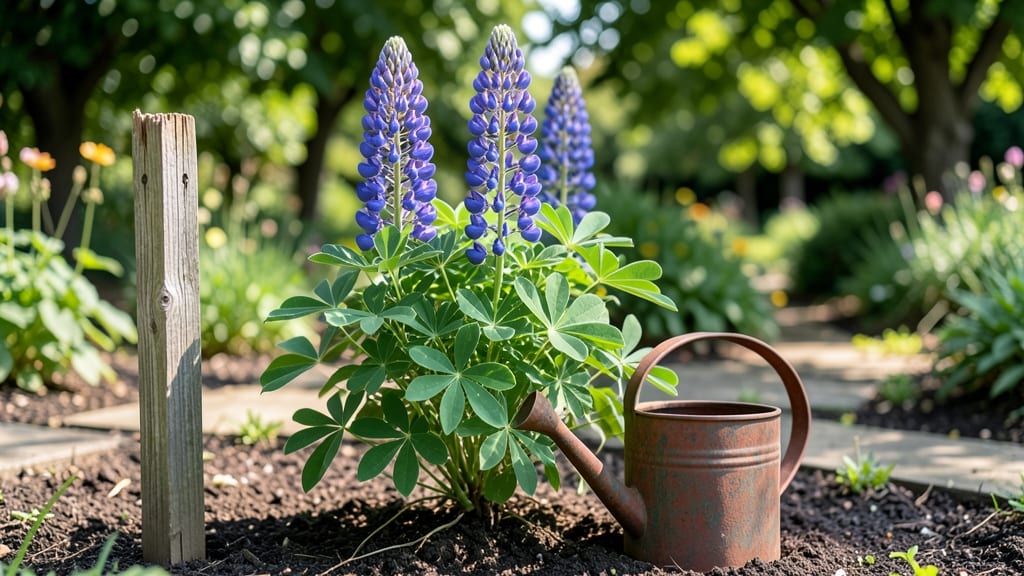
Lupines thrive in sun or shade, but the right placement unlocks their best blooms and sturdiest stems 🌸 — and the wrong spot can leave you with leggy, sparse plants.
If you’ve ever planted lupines only to watch them stretch toward the light or fade into the background, you’re not alone. The key isn’t just any sunlight or shade—it’s matching the variety to your garden’s specific conditions.
Some lupines bask in full sun, while others thrive in dappled shade, and knowing the difference saves time (and disappointed gardeners).
In this guide, we’ll break down the top sun-loving varieties like Lupinus polyphyllus and the shade-tolerant picks like Lupinus nootkatensis, plus how to adjust soil and care for each.
Whether your yard leans toward a bright border or a shady corner, you’ll find the perfect lupine match—and the secrets to keeping them vibrant all season.
Ready to transform your garden? Discover how to transition lupines between light levels, spot stress signals early, and ensure your plants grow taller, fuller, and more colorful than ever before.
 Best Window Placement
Sun-loving lupine varieties that flourish in full light
If you’re dreaming of vibrant lupine blooms that stand out in your garden, full-sun varieties are your best bet. These hardy plants thrive with 6+ hours of direct sunlight daily, producing bold flowers and sturdy stems. Let’s explore the top sun-loving lupines and how to keep them thriving.
Lupines like Lupinus polyphyllus (Russian lupine) and Lupinus texensis (Texas bluebonnet) are perfect for sunny spots. They not only love the heat but also deter pests like deer and rabbits, making them low-maintenance stars.
With the right care, these varieties can reach 3–5 feet tall and bloom from spring to summer.
Why full sun? Lupines grown in bright light produce brighter blooms and stronger stems, reducing the need for staking. However, they still need well-draining soil to prevent root rot. Let’s dive into the best sun-loving varieties and their care essentials.
For Lupinus polyphyllus, staking may be needed as it grows tall. Plant seeds ½ inch deep in well-draining soil and space them 12–18 inches apart.
This variety thrives in USDA zones 4–9 and blooms from late spring to early summer. Mulch around the base to retain moisture and suppress weeds.
If you love Texas bluebonnets (Lupinus texensis), they’re perfect for rock gardens or wildflower meadows. These drought-resistant plants need minimal care once established. Plant seeds in fall or early spring for best results. Their bright blue flowers will attract pollinators like bees and butterflies.
For a compact option, Lupinus perennis (wild lupine) is ideal for border plantings or native gardens. It self-seeds readily, creating naturalized displays. Provide well-draining soil and full sun to encourage abundant blooms. This variety is also deer-resistant, making it a great choice for rural gardens.
To keep your sun-loving lupines healthy, water deeply but infrequently—about once a week during dry spells. Overwatering can lead to root rot, so ensure your soil drains well. Fertilize lightly in early spring with a balanced 5-10-10 fertilizer to encourage strong growth.
Deadheading spent blooms will encourage more flowers and keep your plants looking tidy. For tall varieties like Lupinus polyphyllus, use bamboo stakes or garden rings to support stems. Avoid heavy pruning, as lupines bloom on new growth.
If you’re in a hot, dry climate, consider Lupinus arboreus (tree lupine), which thrives in full sun and heat. Its yellow or orange flowers add a pop of color to sunny gardens. Plant in well-draining soil and water sparingly once established.
With the right sun-loving variety and proper care, your lupines will reward you with stunning blooms and low-maintenance beauty. Whether you choose tall Russian lupines or compact Texas bluebonnets, these plants will shine in your garden’s brightest spots.
Shade-tolerant lupines for low-light gardens: best choices
If your garden receives only 3–6 hours of sunlight daily, don’t assume lupines are off-limits!
Certain varieties thrive in partial shade, producing stunning blooms while avoiding the harsh midday sun. Lupinus nootkatensis (Alaska lupine) and Lupinus arboreus (tree lupine) are standout choices for shadier spots, offering vibrant flowers and lush foliage without the stress of full sun.
These shade-tolerant lupines prefer moist, well-draining soil with a slightly acidic to neutral pH (6.0–7.0). Amend heavy clay with compost or perlite to prevent waterlogging, which can stunt growth.
A mulch layer of 2–3 inches helps retain moisture and regulates soil temperature, making them ideal for woodland gardens or understory plantings.
🌿
Shade-Tolerant Lupines: Pros & Cons
Pros
- ✅ Thrives in 3–6 hours of indirect light
- ✅ Drought-tolerant once established
- ✅ Attracts pollinators like bees and butterflies
- ✅ Low-maintenance with minimal pruning
Cons
- ⚠️ Slower growth in deep shade (<3 hours light)
- ⚠️ Prone to powdery mildew in humid conditions
- ⚠️ Needs well-draining soil to prevent root rot
- ⚠️ Fewer blooms compared to sun-loving varieties
Pair shade-tolerant lupines with companion plants that share similar light and moisture needs. Heuchera (coral bells) adds colorful foliage, while Astilbe provides feathery plumes that contrast beautifully. Avoid planting near competitive ground covers like mint or creeping thyme, which can smother lupine roots.
For container gardening, choose Lupinus arboreus—its compact size makes it perfect for large pots (18+ inches deep). Use a well-draining potting mix with added perlite and water thoroughly after planting. Place containers near east-facing windows or under dappled tree shade to mimic natural light conditions.
Monitor lupines for signs of light stress, such as pale leaves or elongated stems reaching for sunlight. If growth slows, gradually increase light exposure over 2–3 weeks to avoid shocking the plant.
In USDA Zones 6–9, these varieties handle cooler temperatures better than sun-loving types, making them ideal for northern gardens.
With the right variety and care, shade-tolerant lupines can become the star of your low-light garden, offering seasonal interest from spring through summer. Their nitrogen-fixing roots even improve soil health over time—making them a double win for your garden ecosystem! 🌳