
Companion Plants
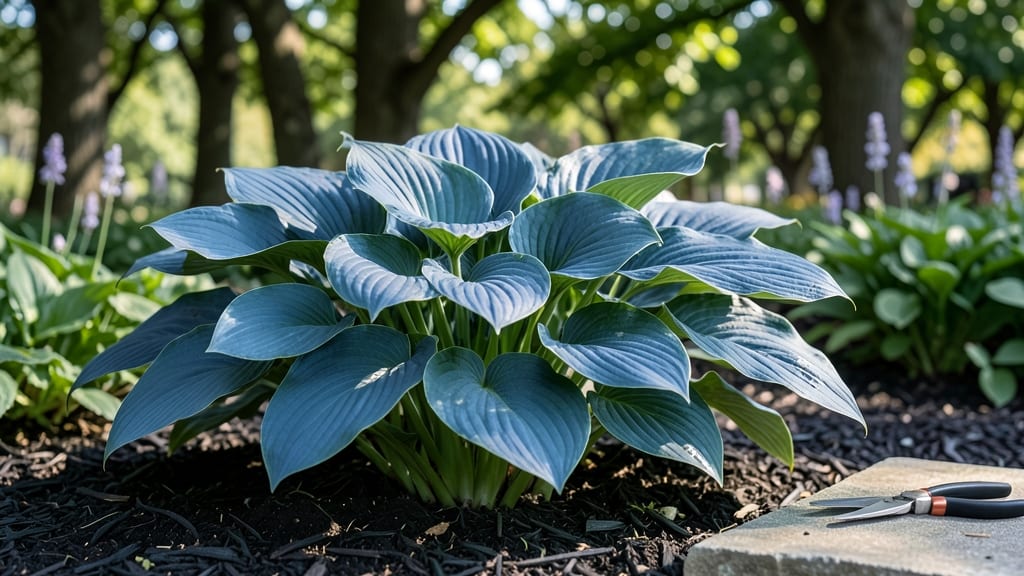
Even in the deepest low shade, plants can turn your north-facing garden into a lush, textured green space that thrives without direct sun—here’s how I did it. 🌿 actually love shade, from delicate ferns to bold hostas, all while keeping maintenance simple. The key?
Matching the right plants to the amount of shade (full, partial, or dappled) and giving them the care they crave—moisture, mulch, and occasional feeding. These shade-loving stars do double duty: they frame borders elegantly, spill over container edges, or blanket the ground like a living carpet.
Think heuchera with jewel-toned leaves, astilbe that puffs like clouds, or sweet woodruff that stays green all season. They’re the unsung heroes of garden design—low-maintenance, drought-tolerant once established, and perfect for cutting back on water bills. My favorite combo?
A mix of hostas (for height and texture) with lamium (for trailing color) under a mature tree. What you’ll end up with is a garden that feels alive, even when the sun’s nowhere in sight.
The foliage stays rich and velvety, flowers pop against dark backgrounds, and you’ll spend less time fussing over wilting plants. Plus, these plants attract butterflies and hummingbirds—so you get beauty and biodiversity without extra effort. Here’s how to pick the perfect shade crew for your space.
Start by assessing your shade: full shade (less than 2 hours of sunlight) needs the toughest players like foamflower or Japanese painted fern, while partial shade (3–6 hours) can handle bleeding heart or coral bells.
Soil matters too—most shade plants prefer moist, well-draining soil with a thick layer of mulch to keep roots cool. I swear by pine bark nuggets for mulching; they break down slowly and suppress weeds like magic. The real secret? Layering.
Tuck taller plants (like goat’s beard) at the back, mid-height astilbe or tiarella in the middle, and creeping jenny or sweet woodruff at the front. It creates depth and makes even the smallest shaded spot feel intentional.
And don’t forget containers—fuchsias, impatiens, and begonias thrive in pots, letting you move color around as the seasons change.
📚 In This Guide
- What you need
- Instructions
- Tips and common mistakes
- Wrapping up and next steps
What you need
- ● Low shade plants: 5–10 plants (e.g., Hostas, Ferns, Astilbes, or Hellebores). Choose 3–5 varieties for diversity.
- ● Well-draining soil: 5–10 bags of peat-based potting mix or compost (1 cubic yard for larger gardens).
- ● Organic mulch: 2–3 bags of shredded bark or pine straw (for moisture retention and weed control).
- ● Garden gloves: 1 pair (nitrile-coated for durability).
- ● Watering can or hose: 1 with a spray nozzle (for gentle watering).
- ● Hand trowel: 1 (for planting and soil amendments).
- ● Pruners: 1 pair (bypass pruners for clean cuts).
- ● Measuring tape: 1 (to space plants 12–24 inches apart).
- ● Slow-release fertilizer: 1 bag (e.g., 10-10-10 or fish emulsion).
- ○ Optional: Soil pH test kit (to check acidity levels, ideal for Azaleas or Rhododendrons).
- ● Drip irrigation system (for automated watering in larger gardens).
- ● Decorative stones or pebbles (to enhance aesthetics).
- ● Sunlight assessment: Confirm your garden receives 2–4 hours of direct sunlight daily (use a sunlight tracker app for 2–3 days).
- ● Soil test: Check drainage (low shade areas often retain moisture—amend clay soil with perlite if needed).
- ● Weather check: Plant in spring or fall (avoid extreme heat or frost).
Step-by-Step guide to cultivating thriving low-shade plants
Here's how to transform your shady corner into a lush, vibrant garden—no sun required.
🌱 Step 1: Select the Right Plants for Your Shade Level
Not all shade is equal—deep shade (under trees with 2-4 hours of filtered light) and partial shade (4-6 hours of light) demand different plants. For deep shade, opt for hostas, ferns, and astilbes. Partial shade thrives with impatiens, bleeding hearts, and lungwort. I always check the mature plant height too—taller varieties like 5-foot ferns need space, while creeping jenny stays compact at 2 inches.
Look for labels that say "part shade" or "full shade" at nurseries. I avoid anything marked "sun" or "partial sun"—those will struggle. If your spot gets morning sun but afternoon shade, prioritize plants that tolerate dappled light, like Japanese painted ferns or Solomon's seal.
🪴 Step 2: Prepare the Soil for Moisture-Retentive Growth
Shade plants hate dry soil—amend your garden bed with 2-3 inches of compost mixed into the top 6 inches of soil. I test moisture by squeezing a handful: if it crumbles easily, add peat moss or coconut coir to boost water retention. For clay soil, mix in 1 part perlite to 3 parts soil to improve drainage.
Spread a 2-inch layer of mulch (shredded bark or pine needles) after planting to lock in moisture and suppress weeds. Keep mulch 2 inches away from plant stems to prevent rot. I water deeply right after planting—until water runs out the bottom of the hole—to encourage roots to spread wide.
💧 Step 3: Plant and Water for Immediate Root Establishment
Dig holes twice as wide as the root ball but only as deep as the container. Loosen roots gently if they’re circling—this prevents transplant shock. Place the plant so the top of the root ball sits ½ inch below soil level; shade plants often need this extra depth to anchor properly.
Fill the hole with soil, firming it lightly around the base. Water immediately with 1 gallon per plant to settle the soil. I avoid overhead watering after planting—it can dislodge new roots. Instead, water at the base until the soil 1 inch down feels damp. For the first 2 weeks, check soil moisture daily; shade plants dry out slower but still need consistent dampness.
☀️ Step 4: Monitor Light and Adjust Care Seasonally
Shade changes with seasons—what’s deep shade in summer may get extra morning light in winter. If leaves yellow or grow leggy, your plant might need slightly more light. Move it closer to a window or brighter corner—but never to direct sun. I rotate containers quarter-turn weekly to prevent uneven growth toward the light.
Fertilize lightly in spring with a balanced 10-10-10 formula—shade plants grow slower and need less food. Over-fertilizing causes weak stems and attracts pests. In fall, reduce watering slightly as temperatures drop, but keep soil moist until the ground freezes. Evergreens like heuchera and hellebores need winter mulch to protect roots from freezing.
✂️ Step 5: Prune and Maintain for Year-Round Health
Deadhead spent blooms on impatiens and astilbes to encourage more flowers, but avoid pruning ferns or hostas until spring—cutting back too early removes next year’s growth. I use clean, sharp shears to trim ⅓ of the plant’s height in early spring, right before new growth starts.
Watch for pests like slugs (they love shade plants) and treat with beer traps or diatomaceous earth if needed. Divide crowded perennials like hostas every 3-4 years in early spring—dig up the clump, separate the roots, and replant immediately. This rejuvenates plants and fills gaps in your shade garden effortlessly.
Tips & tricks for thriving low-shade gardens
Your north-facing garden can be a lush oasis with the right approach—here's how to avoid common pitfalls and maximize growth.
Light Level Nuances: In Step 1, pay close attention to those 2-4 hour and 4-6 hour distinctions—they're not arbitrary. Morning sun behaves differently than afternoon shade. If your spot gets bright morning light but dappled afternoon shade, prioritize plants like Japanese painted ferns that tolerate this pattern. I've seen hostas struggle in spots with just 2 hours of harsh morning sun because the intensity burns tender leaves.
Soil Science: When amending soil in Step 2, don't just eyeball that 2-3 inches of compost. Use a trowel to create a precise layer—too little won't improve drainage, too much can compact and suffocate roots. For clay-heavy soil, mix in 1 part perlite to 3 parts soil by volume, not by handful. I measure using a standard 1-gallon bucket for accuracy. The goal is to create a sponge-like texture that holds moisture but drains excess.
Planting Precision: The ½ inch below soil level placement in Step 3 might seem minor, but it makes all the difference for shade plants. This slight depth helps anchor delicate roots and prevents crown rot from surface moisture. I use a level tool to ensure perfect alignment—uneven planting leads to lopsided growth. For container plants, make sure drainage holes are properly sized to match the 1 gallon per plant watering requirement.
Seasonal Adjustments: That quarter-turn weekly rotation in Step 4 isn't just about aesthetics—it prevents plants from leaning toward whatever light they get. I set a calendar reminder because it's easy to forget. Also, when checking for leggy growth, look for stems that are more than 50% taller than wide—that's your cue to move the plant to a slightly brighter spot, but never direct sun.
Pro Tips for Low Shade Plants
- Your north-facing garden can be a lush oasis with the right approach—here's how to avoid common pitfalls and maximize growth.
- Light Level Nuances: In Step 1, pay close attention to those 2-4 hour and 4-6 hour distinctions—they're not arbitrary.
- Soil Science: When amending soil in Step 2, don't just eyeball that 2-3 inches of compost.
Frequently asked questions
What are the best low-light-tolerant plants for a north-facing garden?
North-facing spots get minimal sunlight, so prioritize shade-loving plants like hostas, ferns (e.g., maidenhair or ostrich), astilbes, lungwort, and Japanese painted ferns. For foliage pop, try heucheras, coral bells, or caladiums. Even some vegetables like leafy greens (kale, spinach) or radishes thrive with partial shade.
How much sunlight do low-shade plants really need?
Most "low-shade" plants tolerate 2–4 hours of direct sunlight daily but can stretch to 6+ hours of bright, indirect light. Avoid deep, dark corners—aim for dappled shade (like under tall trees). If leaves yellow or stretch (etiolation), your plants may need a reflective surface (e.g., white wall) to boost light.
Do low-shade plants need more or less water than sun-lovers?
Generally, more! Shade slows evaporation, so soil stays damp longer—but overwatering risks root rot. Water when the top 1–2 inches of soil feel dry. Use well-draining soil and mulch (3–4 inches) to retain moisture without sogginess. Morning watering prevents fungal issues in humid shade.
Can I grow flowers in low-shade areas, or should I stick to foliage?
While foliage plants dominate, shade-tolerant flowers like bleeding hearts, impatiens, foxgloves, and hydrangeas thrive. For color bursts, try heucheras with purple/red foliage or white/pink astilbes. Just avoid sun-lovers like marigolds or zinnias—they’ll wilt faster in dim light.
Why are my low-shade plants looking leggy or weak?
Leggy growth (etiolation) usually means your plants are stretching for light. Solutions:
- Move plants closer to a window or brighter corner.
- Use a reflective surface (e.g., aluminum foil on walls) to bounce light.
- Prune leggy stems to encourage bushier growth.
- Add a grow light (LED, 12+ inches away) for 4–6 hours/day.
If soil feels dry, water deeply—stress weakens plants further.
Are there any low-shade plants that repel pests naturally?
Yes! Lavender, catmint, and mint (in containers!) deter pests like aphids and mosquitoes. For companion planting, pair hostas with chives or garlic to fend off slugs. Ferns also create a humid microclimate that discourages spider mites—just keep them healthy to avoid fungal issues.
Wrapping up and next steps
Transforming your north-facing garden into a thriving oasis is totally doable with the right low shade plants! These hardy companions not only survive but thrive in minimal sunlight, offering beauty, texture, and even edible rewards.
Whether you're a seasoned gardener or just starting out, these plants prove that great gardens aren’t just about sunshine—they’re about smart choices and a little green love. 🌿
Ready to take the next step? Start small—pick one or two plants from this guide, test your soil, and give them a try! Before you know it, your north-facing nook will be the envy of the neighborhood. Happy gardening! 🌱✨