
Companion Plants
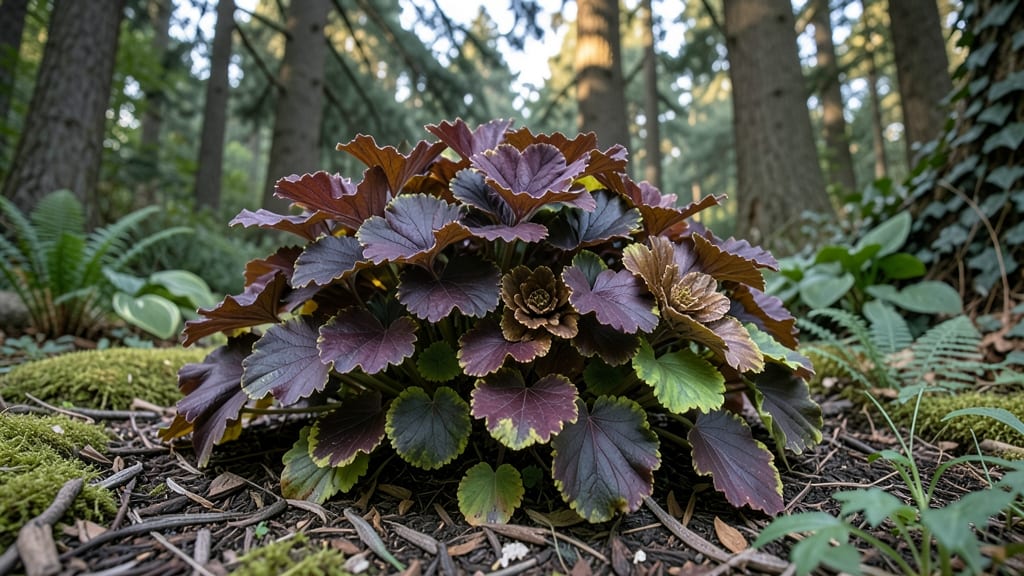
Shady spots don’t have to mean dull gardens. These 10 shade-loving plants transform dark corners into vibrant, low-maintenance oases—each carefully selected for companion planting to maximize beauty and health year-round.
Hostas for Textured Ground Cover

Tired of bare patches under trees or along shady fences? Hostas transform those forgotten spots into lush, textured gardens with almost no effort. Their bold, waxy leaves—available in shades of blue, gold, green, and variegated patterns—create instant visual interest while outcompeting weeds naturally.
These shade superstars thrive in deep to partial shade (even under dense canopies) and prefer moist, well-drained soil. Plant them in spring or early fall, spacing them 12-24 inches apart for borders or 18-36 inches for mass planting. A 2-3 inch layer of mulch keeps roots cool and suppresses weeds, reducing your maintenance time to almost zero.
Perfect for beginners, hostas are low-maintenance, deer-resistant, and adaptable to containers or garden beds. Start with a few varieties like ‘Blue Angel’ or ‘Francee’ to see which textures and colors you love most. 💚
Ferns for Delicate Elegance

Transform your shady garden into a tropical oasis without the sun—ferns like maidenhair and ostrich fern thrive where most plants struggle. Their lacy fronds create an ethereal texture that softens dark corners while adding movement and depth to your landscape.
These shade specialists prefer dappled light to full shade and moist, well-drained soil. For best results, mulch around the base to retain moisture and protect roots. Maidenhair ferns (like Adiantum venustum) are perfect for containers or woodland edges, while ostrich ferns (Matteuccia struthiopteris) add dramatic height to borders. Both are low-maintenance and deer-resistant, making them ideal for urban or woodland gardens.
Ferns are the secret weapon for gardeners who want lushness without sunlight—ideal for beginners or those with tricky shade spots. 🌿
Hellebores for Winter Bloom

When most shade plants are taking a winter nap, helleborus niger—the Lenten rose—pops up with cheerful blooms as early as February. This hardy perennial thrives in partial to full shade, making it a standout for gardens under trees or along north-facing walls.
Once established, hellebores are drought-tolerant and nearly pest-free, with blooms that last for weeks. Their nodding flowers come in shades of white, pink, and purple, and they even produce seed pods that add winter interest. Plant them in well-draining soil with a sprinkle of compost for extra vigor.
Perfect for woodland gardens or as a focal point in shady borders, hellebores reward patience with year-round structure—even when their leaves yellow in summer. Gardeners in cooler climates (USDA zones 4-9) will love how they brighten early spring. 🌷
Caladiums for Bold Tropical Foliage

Bring instant summer drama to your shady spots with caladiums, where their heart-shaped leaves in fiery reds, pinks, and whites steal the show. These tropical stunners thrive in dim corners where most plants fade, making them perfect for containers on patios or as bold accents in shady borders.
Caladiums love humidity and warmth, so they’re ideal for bathrooms, greenhouses, or outdoor spaces under trees. Plant them in well-draining soil and keep the roots consistently moist—never soggy. Varieties like ‘White Queen’ or ‘Flamingo’ add striking contrast, especially when paired with ferns or hostas.
Perfect for gardeners who want low-maintenance drama, caladiums are non-toxic and deer-resistant. Treat them as annuals (they won’t survive frost) to enjoy their vibrant foliage all summer long. ✨
Astilbes for Feathery Plumes

Need a splash of summer color in your shady garden? Astilbes deliver feathery plumes in soft pinks, whites, and reds that bloom reliably from mid-to-late summer—when most shade plants are still napping. Their airy, cloud-like flowers sway gently in the breeze, creating movement where other plants stand still.
These moisture-loving perennials thrive in moist, well-drained soil and prefer partial to full shade, making them perfect for water garden edges, pond banks, or shady borders. Choose from varieties like ‘Fanal’ (deep pink) or ‘Deutschland’ (white) for butterfly magnet appeal. Deadhead spent blooms to encourage more flowers, and divide clumps every 3-4 years to keep them vigorous.
Ideal for cottage gardens, woodland edges, or as a focal point in containers, astilbes bring effortless elegance to shady spots while attracting pollinators. 🌻
Lungwort for Medicinal Beauty

Looking for a shade-loving plant that’s as useful as it is beautiful? Lungwort (Pulmonaria spp.) delivers with its striking silver-spotted leaves and early spring blooms in shades of pink, blue, or white. This hardy perennial thrives in partial to full shade, making it perfect for woodland gardens or under trees where other plants struggle.
Lungwort’s unique foliage stays attractive even after blooming, and its historical use for respiratory health adds a fascinating touch to your garden. It’s drought-tolerant once established and pairs beautifully with ferns, creating a lush, layered look. Simply plant in well-draining soil and enjoy its low-maintenance charm year after year.
Ideal for gardeners who love medicinal plants with visual appeal, lungwort is also deer-resistant and thrives in USDA zones 3-8. Add it to your shade garden for both beauty and a hint of history. 🌿
Japanese Painted Fern

Looking to break up the monotony of dark shade gardens? The Japanese painted fern (Athyrium niponicum var. pictum) brings a striking contrast with its silvery-blue fronds, making it a standout in woodland settings or containers. Unlike other ferns, its unique coloration creates visual drama while requiring almost no maintenance.
This slow-growing, deer-resistant perennial thrives in partial to full shade and moist, well-drained soil. Its compact size (12-18 inches tall) makes it perfect for borders, rock gardens, or as a focal point in containers. Simply water regularly to keep the soil consistently moist, and it will reward you with lush, arching fronds that stay vibrant all season.
Ideal for gardeners who want low-maintenance elegance, this fern pairs beautifully with hostas or hellebores. Its unique foliage adds texture without overwhelming shady spaces, making it a must-have for woodland gardeners or urban patio plantings. 🌿
Sweet Woodruff for Fragrant Ground Cover

Want a fragrant carpet under your trees that thrives where nothing else grows? Sweet woodruff (Galium odoratum) delivers a delicate, vanilla-like scent when crushed and spreads gently to create a lush, green ground cover. Unlike aggressive runners, it forms a soft, moss-like mat that’s perfect for pathways, woodland gardens, or under dense canopies.
This shade-loving perennial thrives in deep to partial shade and prefers moist, well-drained soil—ideal for areas where other plants struggle. Plant it in early spring, spacing clumps 12-18 inches apart, and watch it fill in over time. A bonus: its tiny white star-shaped flowers bloom in late spring, attracting pollinators. Mulch lightly to retain moisture and suppress weeds, but avoid heavy mulch that could smother its delicate growth.
Perfect for gardeners who love low-maintenance, fragrant plants, sweet woodruff is also deer-resistant and pairs beautifully with ferns or hostas. It’s a hidden gem for transforming forgotten shady corners into sensory-rich spaces. 🌿
Bleeding Heart for Vertical Drama

Turn your shady garden into a romantic retreat with bleeding heart (Dicentra spectabilis), a perennial that delivers cascading heart-shaped pink or white flowers from late spring to early summer. Unlike flat ground covers, this plant grows upright on arching stems, creating a stunning vertical display that draws the eye upward—perfect for adding dimension to dark corners.
Bleeding heart thrives in moist, rich soil and partial to full shade, making it ideal for woodland edges, under trees, or along north-facing walls. Plant it in spring, spacing stems 18-24 inches apart for a lush, layered look. While it’s not drought-tolerant, a thick layer of organic mulch helps retain moisture and protect roots. After flowering, the foliage turns attractive again in fall, though the plant may go dormant in hot climates.
This plant is a dream for gardeners who love elegant, low-maintenance perennials with a touch of whimsy. Pair it with hostas or ferns for a classic shade garden combination that blooms beautifully year after year. 🌷
Coral Bells
for Year-Round Interest
Say goodbye to dull shade gardens—coral bells (Heuchera) bring year-round color and texture without relying on flowers. Their striking foliage in deep purple, chartreuse, or bronze keeps your garden vibrant even when other plants are dormant, making them the ultimate low-maintenance star for shady spots.
These drought-tolerant perennials thrive in partial to full shade and adapt to almost any well-draining soil. For best results, plant them in spring or early fall, spacing them 12-18 inches apart in containers or garden beds. Varieties like ‘Palace Purple’ or ‘Lime Rickey’ add bold contrast, while ‘Berry Smoothie’ offers a mix of colors in one plant. Prune leggy stems in early spring to encourage bushier growth.
Perfect for urban gardeners, small spaces, or rock gardens, coral bells are deer-resistant and thrive in USDA zones 3-9. Use them as edging, in hanging baskets, or as a mass planting for instant impact—no flowers required. 💚