
Shrubs
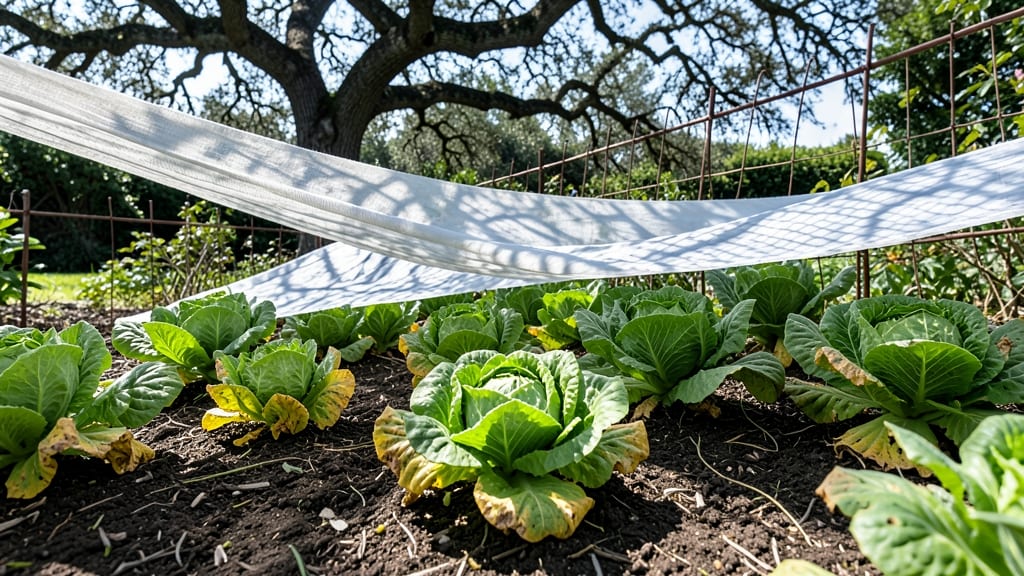
Growing lettuce in sun or shade depends on the right balance—too much heat and your crisp leaves turn bitter, too little light and they stretch weak and leggy.
If you’ve ever pulled up a sad, bolted lettuce plant after weeks of effort, you’re not alone. The secret isn’t just about sunlight—it’s about timing, shade strategies, and knowing when to protect your 🥬 from the midday glare.
Lettuce thrives with 4–6 hours of morning sun and afternoon shade, especially in hot zones like USDA 6a. But with the right tricks—like shade cloth or strategic planting—you can grow crisp, sweet lettuce all season long.
Below, I’ll walk you through how to read your lettuce’s light needs, when to step in with shade, and how to keep your harvest fresh from March through August—no more wilted disappointment.
 Best Window Placement
Optimal sunlight requirements for lettuce growth: how much light is too much?
Growing crisp, tender lettuce depends heavily on getting the sunlight balance right. Too much sun scorches leaves, while too little shade makes them stretch and turn bitter.
The key is understanding how lettuce varieties differ in their light needs—especially between leaf lettuce and head lettuce—and how to adjust for your climate.
Most gardeners assume lettuce thrives in full sun, but the truth is more nuanced. Leaf lettuce varieties like romaine and butterhead tolerate 4–6 hours of morning sun paired with afternoon shade, while head lettuce varieties (like iceberg or crisphead) need 3–4 hours of gentle sunlight daily to prevent bolting.
Overheating is the real enemy, not just light deprivation.
| Variety | Sunlight Needs | Signs of Stress | Best Growing Conditions |
|---|---|---|---|
| Leaf Lettuce (Romaine, Butterhead) | 4–6 hours (morning sun preferred) | Yellowing, crisp edges (sunburn) | Partial shade in hot climates |
| Head Lettuce (Iceberg, Crisphead) | 3–4 hours (filtered light) | Loose heads, bitter taste (too much sun) | Dappled shade or morning sun only |
| Loose-Leaf (Green Leaf, Red Leaf) | 3–5 hours (tolerates shade) | Stunted growth, pale leaves (shade stress) | East-facing beds or under trees |
| All Varieties (Summer Heat) | 2–3 hours max (afternoon shade) | Wilting, brown patches (heat stress) | Shade cloth (30–50%) or row covers |
Recognizing the difference between sunburn and shade stress is critical. Sunburned lettuce shows up as crisp, brown edges on leaves—almost like a paper burn—while shade-stressed plants grow tall and leggy with pale, sparse foliage. Both conditions ruin texture and flavor, but the fixes couldn’t be more opposite.
For hot summer months, I always adjust my lettuce beds by adding 30–50% shade cloth after 11 AM. This mimics the natural afternoon shade lettuce craves.
In cooler seasons, you can push it to 6 hours of sun daily without risk, but avoid direct midday rays when temperatures exceed 80°F (27°C).
Regional adjustments matter too. In USDA Zones 7–10, lettuce often bolts prematurely in full sun, while Zones 3–6 can handle more light in spring and fall.
Test your spot by observing how long sunlight hits your garden. Use a sunlight tracker app or mark shadows with stakes to map your space accurately.
Pro tip: Succession planting in partial shade works wonders. Start with shade-tolerant varieties like oakleaf lettuce in early summer, then switch to hardier types like romaine in late summer when heat subsides. This keeps your harvest going without sacrificing quality.
Even with perfect sunlight, soil moisture plays a tiebreaker. Lettuce roots need consistent moisture to handle stress from fluctuating light. Mulch with straw or shredded leaves to retain humidity and prevent temperature swings that worsen sun damage.
If your lettuce starts bolting (sending up a flower stalk), it’s a sign of either too much sun or heat stress. Cut the stalk at the base and harvest the remaining leaves—just don’t replant in the same spot until temperatures drop.
This is your body telling you to adjust the light or extend the season with shade.
🌱
Shade solutions for lettuce: when and how to protect your plants from harsh sun
Lettuce thrives in partial shade but can suffer from heat stress when exposed to intense afternoon sun. In hot climates or during summer months, protecting your plants with the right shade strategy keeps leaves crisp and prevents bolting.
The key is balancing light exposure with temperature control—too little light stunts growth, while too much heat turns lettuce bitter or causes it to flower prematurely.
Your shade solution depends on your climate and lettuce variety. Leaf lettuces (like romaine or butterhead) tolerate slightly more sun than head lettuces (such as iceberg), which need gentler conditions.
Start by observing your garden’s microclimate—areas near fences, buildings, or tall plants naturally offer dappled shade, while open spaces may require artificial solutions like shade cloth or row covers.
Natural Shade Solutions
| Option | Pros | Cons |
|---|---|---|
| Tall Plants | Free, reduces heat; improves biodiversity | Limited control; may compete for nutrients |
| Dappled Trees | Natural light filtering; aesthetic appeal | Inconsistent shade; roots may compete |
| Perennial Shrubs | Long-term solution; low maintenance | Slow to establish; may block too much light |
Artificial Shade Solutions
| Option | Pros | Cons |
|---|---|---|
| Shade Cloth (30-50%) | Adjustable coverage; protects from UV | Requires setup; may reduce airflow |
| Row Covers | Portable; extends growing season | Less breathable; can overheat if not ventilated |
| Permanent Shade Structures | Durable; customizable shade levels | High initial cost; permanent installation |
For immediate shade relief, I recommend using 30-50% shade cloth—this blocks enough harmful UV rays while allowing sufficient light for photosynthesis. Install it above your lettuce beds during the peak sun hours (11 AM–3 PM), especially in regions with high summer temperatures.
If you’re growing lettuce in containers, opt for lightweight shade netting that drapes easily over pots without weighing them down.
Another trick I’ve used is interplanting lettuce with taller companions like sunflowers or corn. These plants provide natural shade while also acting as windbreaks. Just ensure the companions don’t cast too much shade early in the morning when lettuce needs gentle light to wake up.
In urban gardens with limited space, consider vertical gardening—grow lettuce in hanging baskets under patio umbrellas or pergolas for adjustable shade.
Monitor your lettuce’s response to shade by checking for yellowing leaves (too much shade) or brown tips (too much sun). Adjust your shade strategy weekly, especially during temperature shifts. With the right balance, you’ll enjoy crisp, sweet lettuce even in the hottest months of the year!
🌿