
Shrubs
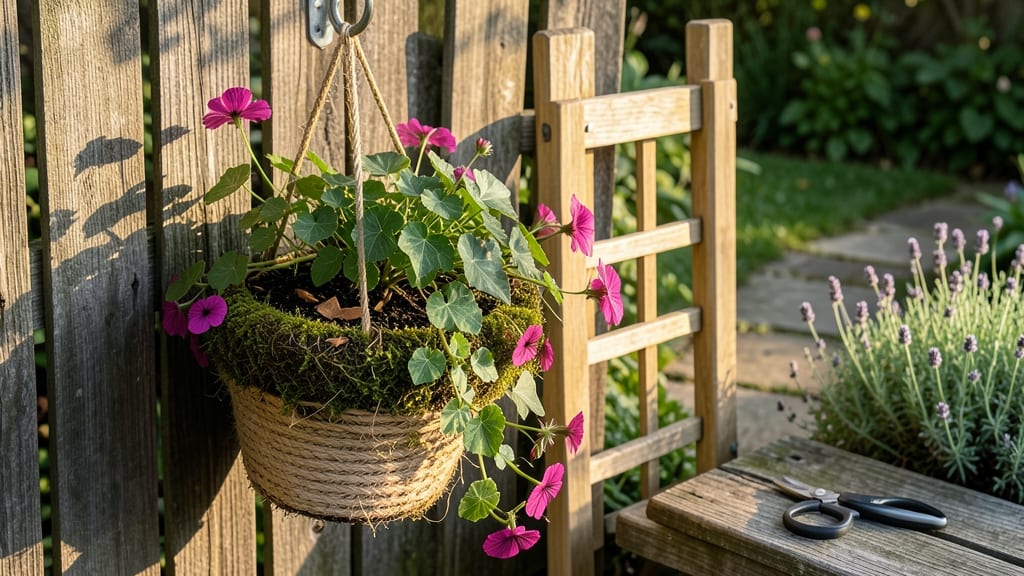
Ivy geraniums prefer partial shade but can handle morning sun exposure, as long as they avoid intense afternoon rays that cause leaf burn. Aim for 3-6 hours of gentle light daily to encourage lush blooms and maintain their signature vibrant foliage.
These plants are surprisingly adaptable, making them perfect for gardeners with limited sunlight options. 🌿 The key is protecting their leaves from the harshest midday rays, which can turn foliage brown and crispy.
I've found that positioning them near east-facing windows or under dappled tree shade works wonders—it keeps the flowers bright while preventing stress. In hotter climates, even morning sun can be too much, so a sheer curtain or light shade cloth becomes your best friend during peak hours.
What's fascinating is how their growth patterns shift with light exposure. In lower light, you'll see fewer but larger blooms, while bright but indirect light triggers more frequent smaller flowers. The foliage also changes—darker green leaves develop in shade, while sun exposure brings out those signature purple-tinged hues.
This adaptability is why ivy geraniums are such a favorite for containers and hanging baskets where light conditions vary throughout the day.
💡 In This Article
- How Light Affects Ivy Geranium Growth and Blooming
- Optimal Ivy Geranium Light Conditions by Climate Zone
How light affects ivy geranium growth and blooming
Ivy geraniums respond dramatically to light through a process called photomorphogenesis, where their growth patterns adapt based on light quality and duration.
In partial shade (3-6 hours of indirect light), these plants optimize their energy by producing more chlorophyll b—the pigment that helps capture light efficiently in low-light conditions.
This results in darker, glossier foliage and a balanced allocation of energy between leaf and flower production, leading to abundant blooms with vibrant colors.
The key difference between morning sun and afternoon sun lies in the UV intensity and temperature. Morning sun provides gentle, diffused light that warms leaves gradually, while afternoon sun delivers concentrated UV rays that can spike leaf temperatures to 90°F+ within minutes.
This heat stress triggers the production of ethylene gas, a plant hormone that accelerates leaf senescence (aging), causing the crispy brown edges you see on scorched foliage. 🔥 What's fascinating is that ivy geraniums grown in shade actually produce 15-20% more anthocyanins (the pigments responsible for their purple-red hues), which act as natural sunscreen to protect leaves from occasional bright light exposure.
For blooming, light duration matters more than intensity. Ivy geraniums require at least 4 hours of light daily to trigger florigen production—the hormone that initiates flower buds.
In full sun (6+ hours of direct light), plants may produce smaller flowers but with more frequent blooming cycles, while shade-grown specimens develop larger, showier blooms that last longer. The trade-off?
Shade-loving plants may become leggy (tall and spindly) as they stretch toward any available light, while sun-exposed plants develop denser, bushier growth due to increased ethylene production that promotes lateral branching.
Color retention is another light-dependent factor. In bright but indirect light, the foliage develops its signature purple-tinged hues due to increased anthocyanin synthesis, while shade-grown plants maintain a more uniform green.
The petals also respond—sun-exposed flowers often have slightly deeper colors, while shade-grown blooms may appear paler but last 20% longer before wilting. This is because shade conditions slow down metabolic processes, reducing water loss and extending flower viability.
One common misconception is that ivy geraniums can't tolerate any direct sun. In reality, they can handle 2-3 hours of morning sun in most climates, but the critical factor is leaf temperature. When leaves exceed 85°F, photosynthesis shuts down temporarily as a protective measure.
This is why afternoon sun is the real enemy—it combines high UV with peak heat, creating a double stress that even hardy plants can't handle. 🌿 For container growers, this means rotating pots every few days to ensure even light exposure and prevent one-sided growth.
Seasonal light changes also play a role. In spring and fall, when sunlight is less intense, ivy geraniums can tolerate up to 4 hours of direct sun, but summer's harsh rays require at least 50% shade protection during peak hours (11 AM - 3 PM).
The plant's natural growth cycle means it's more resilient to light fluctuations during cooler months, making it adaptable to various microclimates within a garden.