
Flowers
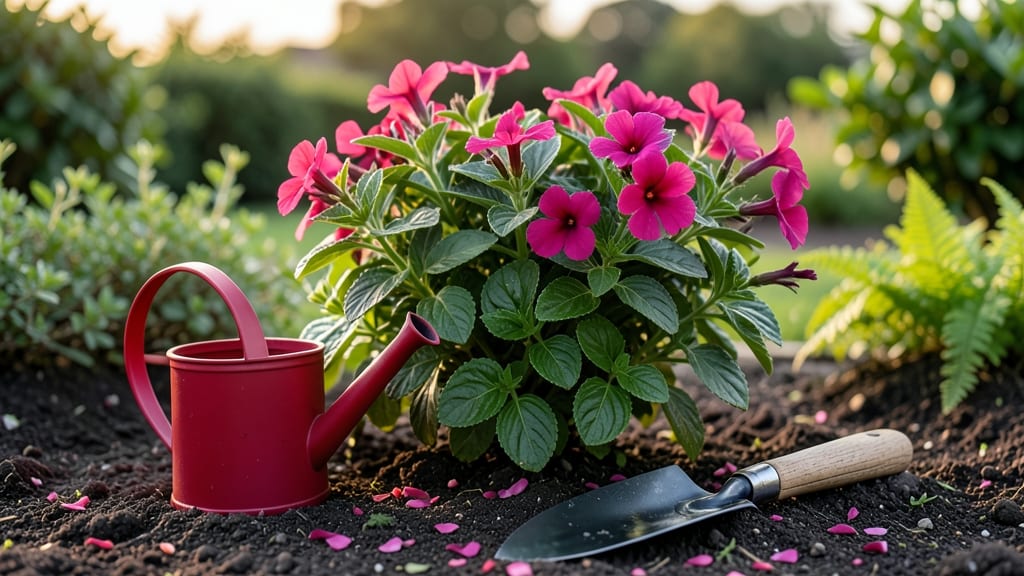
Growing impatiens flowers in sun or shade depends on picking the right variety for your garden’s light—because these nonstop bloomers 🌸 won’t thrive if you mix them up.
Picture this: You’ve spent weeks planting your favorite impatiens, only to watch them wilt under harsh afternoon rays or stretch leggy in too-dark corners. The secret? Sun-loving New Guinea types handle 4+ hours of light, while classic impatiens prefer dappled shade.
Light isn’t the only factor—soil moisture, fertilizer timing, and even pruning change when you shift from shade to sun. Below, I’ll break down the best varieties for each spot, how to keep them blooming, and the 3 mistakes that kill them fastest.
Ready to turn your garden into a year-round impatiens show? Let’s get to the light-specific care tips that work.
 Best Window Placement
Best impatiens varieties for full sun vs. partial shade gardens
Impatiens are the rockstars of summer color, but their success depends entirely on matching varieties to your garden’s light conditions. The classic garden impatiens (like Impatiens walleriana) crave shade, while New Guinea impatiens (like Impatiens hawkeri) handle sun like champions.
Choosing the wrong type in the wrong spot leads to leggy stems, sparse blooms, or worse—plant death. Let’s break down the best options for both scenarios so you can enjoy nonstop blooms all season.
Most gardeners assume impatiens need shade, but New Guinea impatiens actually thrive in morning sun with afternoon shade. These varieties boast bold foliage and larger flowers, making them perfect for sunny borders or containers on patios.
Meanwhile, traditional impatiens excel in filtered light under trees or north-facing beds. The key? Understanding each type’s tolerance for direct sunlight before planting.
| Variety Type | Sun Tolerance | Top Colors | Bloom Duration | Care Tip |
|---|---|---|---|---|
| New Guinea Impatiens | Full sun to partial shade (6+ hours sun) | Pink, red, orange, yellow, white | Summer to frost | Deadhead spent blooms to extend season |
| Garden Impatiens (walleriana) | Partial shade only (2-4 hours sun) | Purple, white, salmon, blue | Spring to fall | Mulch to retain moisture |
| Sunpatiens (Hybrid) | Full sun (6+ hours) | Orange, red, yellow | Summer to frost | Use containers for mobility |
| Mini Jamaica Impatiens | Partial shade (2-3 hours) | Purple, white, pink | Spring to frost | Pinch back for bushier growth |
For full-sun gardens, New Guinea impatiens are your best bet, especially varieties like ‘Superbells’ or ‘Fiesta’. These handle 6+ hours of direct sun without wilting, though their leaves may scorch in intense afternoon heat.
If you’re in a hot climate zone 9+, look for Sunpatiens hybrids, bred specifically for full sun. Their deep roots and heat-tolerant foliage make them ideal for southern exposures.
In partial shade, traditional garden impatiens shine with their compact growth and nonstop blooms. Varieties like ‘Beacon’ or ‘Accent’ thrive under 30-50% shade, perfect for woodland gardens or under tall trees.
Just avoid placing them in deep shade—they’ll stretch and produce fewer flowers. A trick? Plant them near east-facing windows where they get gentle morning light.
Color matters too! New Guinea impatiens offer bold foliage contrasts, with varieties like ‘Lava Red’ featuring deep burgundy leaves. Traditional impatiens, however, come in softer pastels like lavender or blush pink.
If you love high-contrast gardens, mix both types: use New Guinea in sunny borders and garden impatiens under trees for a two-tiered color effect.
One common mistake? Assuming all impatiens are shade lovers. Sunpatiens, for example, can handle full southern exposure if kept well-watered. Test your garden’s microclimates first: place a white board in potential spots for a week.
If it’s hotter than 90°F, opt for shade-tolerant varieties or provide afternoon shade with a lightweight shade cloth.
Pro tip: Container gardening gives you flexibility. Move New Guinea impatiens to shadier spots during peak afternoon heat, or place them on elevated stands to improve airflow.
For shade-loving types, use glazed containers to reflect extra light without overheating. The right container can extend your impatiens’ season by 3-4 weeks in marginal light conditions.
Remember, bloom duration varies by type. New Guinea impatiens often flower longer in sun because their thicker stems store more moisture. Traditional types may bloom earlier in spring but fade faster in hot sun.
To maximize blooms, deadhead regularly—this applies to both sun and shade varieties—and fertilize with a balanced 10-10-10 every 4-6 weeks.
Whether you’re battling scorching summer sun or deep shade under oaks, the right impatiens variety can transform your garden. Start with one sun-loving and one shade-tolerant type to test your conditions, then expand based on what thrives.
With the right choices, you’ll enjoy nonstop color from spring to frost—no matter your light situation. 🌸
How to maximize blooms: light, water, and soil secrets for impatiens
Your impatiens are begging for more blooms, but they're not cooperating? The secret lies in matching their light exposure with precise watering schedules and soil care. Unlike many flowers, impatiens are light-sensitive—give them too much sun, and their blooms fade; too little, and they stretch leggy.
Let's fix that with science-backed adjustments for both sun-loving and shade-tolerant varieties.
First, identify your impatiens type: New Guinea impatiens handle morning sun (3-4 hours max), while traditional impatiens thrive in dappled shade. Your care routine must adapt to these differences—starting with soil that mimics their natural moist, humus-rich forest floor.
Let's break down the exact steps to transform your sad stems into a bloom explosion.
🌱 Impatiens Care Secrets by Light Exposure
- 1. Sun Varieties (New Guinea): Amend soil with perlite (20%) for drainage, water morning-only to prevent scorching. Fertilize every 3 weeks with fish emulsion (5-5-5).
- 2. Shade Varieties: Add peat moss (30%) to retain moisture, water daily in heat. Use slow-release fertilizer (12-12-12) at planting.
- 3. Watering Hack: Insert moisture meter 2" deep—water when reading drops below 40%. Mulch with pine needles to lock in humidity.
- 4. Soil Test: Target pH 6.0-6.5. Add sulfur if pH exceeds 7.0. Test every 6 weeks during bloom season.
- 5. Deadheading: Pinch spent blooms twice weekly—sun varieties need more frequent pruning than shade types. Use sterilized scissors.
- 6. Seasonal Shift: Move container-grown impatiens to 50% shade in July to prevent heat stress. Increase watering 20% during drought.
Let's talk fertilizer timing—this is where most gardeners go wrong. For sun-loving New Guinea impatiens, I switch to a high-phosphorus formula (10-20-10) when buds form, usually in late May.
Shade varieties, however, respond better to balanced feeding (10-10-10) every 6 weeks starting in April. Pro tip: Flush the soil with water after fertilizing to prevent root burn.
Your watering routine needs seasonal adjustments too. During peak summer heat, I water my shade impatiens twice daily—once at 6 AM and again at 6 PM. Sun varieties get one deep watering in the morning plus a light misting at dusk to combat afternoon heat.
Always check soil moisture before watering—stick your finger 1 inch deep; if it's dry, it's time.
Don't overlook soil amendments—this is the secret weapon for preventing leggy growth and pale blooms. For sun impatiens, I mix in coarse sand (25%) to prevent compaction, while shade varieties get composted leaf mold (40%) for extra organic matter.
Replenish these amendments annually or when blooms start fading. A slow-release fertilizer spike inserted at planting provides 3-month nutrition.
Watch for these light-related symptoms: Yellow leaves on sun varieties? You're overwatering—reduce to every other day. Stretched stems in shade? Move to brighter indirect light immediately. With these adjustments, your impatiens will reward you with nonstop blooms from June through frost—no more sad, sparse stems! 🌸