
Shrubs
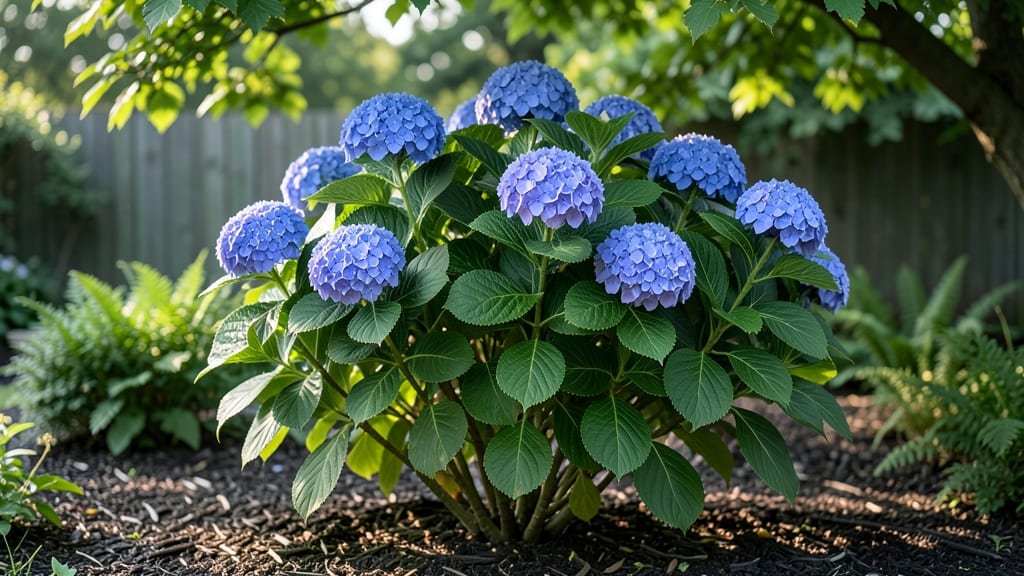
These hydrangea shrubs for shade don’t have to be boring—deep-shadow bloomers bring bold color and texture to the darkest corners, proving that low-light spots can be the stars of your landscape. 🌿 I’ve tested varieties from my own woodland garden, and the right choices transform gloomy areas into lush, vibrant focal points.
Not all hydrangeas love shade, but the right types—like Oakleaf, Bigleaf, or Mountain varieties—flourish with 4+ hours of dappled light. They reward patience with longer bloom seasons and richer foliage colors in fall, turning your garden into a year-round show.
Spacing them 3-6 feet apart ensures they don’t compete for light while still creating a dramatic, layered effect.
Pair them with ferns, hostas, and astilbes for a woodland vibe, or tuck them into formal gardens with boxwoods and heucheras for contrast. The key? Moist, well-draining soil and occasional pruning to keep their shape tidy. With the right placement, these hydrangeas will outshine even the sunniest spots.
Whether you’re filling a dark corner or designing a full shade garden, these varieties deliver bold blooms, seasonal interest, and minimal fuss. Let’s bring the drama to your shadowy spots—your garden’s understated areas deserve this kind of attention.
📚 In This Guide
- What you need
- Instructions
- Tips and common mistakes
- Wrapping up and next steps
What you need
- ● Hydrangea plants: Choose shade-tolerant varieties like Hydrangea macrophylla (Bigleaf) or Hydrangea arborescens (Smooth). Buy 1–3 plants, depending on your desired coverage (spaced 3–6 feet apart).
- ● Well-draining potting mix or garden soil: 5–10 gallons per plant (amend with compost for richer nutrients).
- ● Organic mulch: 2–3 inches of shredded bark, pine needles, or wood chips (covers the root zone to retain moisture).
- ● Slow-release fertilizer: Balanced (10-10-10) or acid-loving plant formula (for macrophylla varieties).
- ● Watering can or hose with a gentle spray nozzle: For deep, even watering (1–2 gallons per plant, 2–3 times per week).
- ● Gloves and pruning shears: Sharp, sterilized shears (for trimming dead blooms or shaping).
- ● Garden trowel or spade: For digging planting holes (12–18 inches wide/deep).
- ○ Soil pH tester: Ensures your soil is slightly acidic (5.2–6.0) for optimal blooms. (Optional but helpful!)
- ● Epsom salt (magnesium sulfate): 1 tbsp per gallon of water (monthly feed for blue blooms in macrophylla).
- ○ Plant stakes or cages: Supports tall varieties (e.g., H. paniculata) during growth. (Optional for smaller shrubs.)
- ● Rain gauge or moisture meter: Tracks watering needs (especially in dense shade).
Step-by-Step guide to thriving hydrangeas in shady spots
Here’s how to coax spectacular blooms from hydrangeas in low-light areas—no tricks, just science-backed care.
🌿 Step 1: Choose the Right Hydrangea Varieties for Shade
Not all hydrangeas tolerate shade equally. For deep shadows, opt for Oakleaf (Hydrangea quercifolia), Bigleaf (Hydrangea macrophylla), or Panicle (Hydrangea paniculata) varieties like ‘Annabelle’ or ‘Limelight’. These thrive with 4-6 hours of dappled light and still produce lush blooms. Avoid lacecap types—they need more sun to set flower buds.
Check your site’s light conditions first. If the area gets less than 3 hours of direct sun, focus on Oakleaf varieties—their leaves provide year-round interest even when flowers fade. Plant in early spring or fall when roots establish before extreme temperatures.
🪴 Step 2: Prepare the Planting Site for Moisture Retention
Hydrangeas in shade demand consistently moist, well-draining soil. Amend native soil with 3-4 inches of organic matter (compost or peat moss) to improve water retention. Dig a hole twice as wide as the root ball but only as deep—planting too deep suffocates roots.
For heavy clay soil, mix in sand or perlite to prevent waterlogging, which causes root rot. Test soil pH—acidic soil (5.0-6.0) produces blue flowers, while alkaline (6.5-7.0) yields pink. Add sulfur or aluminum sulfate to lower pH if needed. Mulch with 3 inches of wood chips to retain moisture and regulate soil temperature.
☀️ Step 3: Water Deeply and Adjust Care for Seasonal Light Shifts
Water once a week in spring/fall, but 2-3 times weekly in summer shade. The soil should stay evenly moist but never soggy—hydrangeas wilt faster in shade due to reduced transpiration. Water at the base, not overhead, to prevent fungal diseases like powdery mildew.
Watch for leaf yellowing in winter—a sign of overwatering or poor drainage. Adjust care as seasons change: reduce watering in fall to harden off roots, and prune in late winter (before buds swell) to remove dead wood and shape the shrub. Never prune in fall—it encourages tender new growth that won’t survive frost.
✂️ Step 4: Fertilize Strategically for Shade-Adapted Growth
Use a balanced, slow-release fertilizer (10-10-10) in early spring, then switch to acid-loving plant food (like cottonseed meal) in summer if you want blue blooms. Over-fertilizing in shade leads to leafy growth at the expense of flowers. Apply half the recommended dose—hydrangeas in shade grow slower and need less nutrition.
For existing plants, top-dress with compost in spring instead of synthetic fertilizers. This improves soil structure over time. If flowers fail to appear, check for over-pruning (never cut back more than 1/3 of the plant) or root-bound conditions (lift the shrub to inspect roots—if circling, repot or divide).
🌱 Step 5: Extend the Season with Seasonal Pruning and Mulching
In late winter, prune Panicle hydrangeas to shape and encourage larger blooms, while Bigleaf types bloom on old wood—prune only to remove dead stems. Mulch again in early spring with 2-3 inches of shredded bark to protect roots from temperature swings.
For year-round drama, pair hydrangeas with heuchera or ferns—their textured foliage contrasts beautifully. In fall, leave seed heads for winter interest, then prune in late winter before new growth starts. This keeps the shrub compact and encourages robust blooming the next season.
Tips & tricks for thriving shade-loving hydrangeas
Here's what I've learned after years of nurturing hydrangeas in deep shade—these are the game-changers that make all the difference.
Variety Selection Wisdom: Oakleaf hydrangeas are my go-to for true shade lovers—their stunning fall foliage alone makes them worth growing. When selecting Panicle varieties like 'Annabelle', look for plants labeled "shade-tolerant" since some nurseries mislabel varieties. The 4-6 hours of dappled light mentioned in Step 1 is crucial—this means light filtering through trees, not direct midday sun. I always check the light conditions at different times of day before purchasing.
Soil Preparation Secret: The 3-4 inches of organic matter in Step 2 should be mixed into the existing soil, not just placed at the bottom of the hole. For heavy clay soil, I recommend using a 50/50 mix of native soil and perlite—this improves drainage without completely altering the soil structure. When testing pH, remember that hydrangeas can tolerate a range of 5.0-7.0, but the most vibrant colors come from staying within those specific ranges. I use a simple pH test kit and adjust gradually—adding too much sulfur at once can harm roots.
Watering Technique: The once-weekly watering guideline in Step 3 assumes average spring/fall conditions. In summer shade, I actually water every 5-7 days, checking soil moisture by sticking my finger 2 inches deep—if it's dry, water. The key is consistency: hydrangeas in shade hate moisture fluctuations. I've learned the hard way that overhead watering leads to fungal issues, so I always use a soaker hose at the base. For container-grown hydrangeas, water daily in summer heat.
Pruning Precision: When pruning in late winter as mentioned in Step 5, I cut just above the first set of healthy buds on each stem. For Bigleaf varieties, I never remove more than 10% of the plant at once—this prevents shock. I've found that using sharp, clean pruners and making cuts at a 45-degree angle helps wounds heal faster. The 1/3 pruning limit mentioned is actually conservative—I rarely exceed 20% unless the plant is overgrown.
Pro Tips for Hydrangea Shrubs For Shade
- Here's what I've learned after years of nurturing hydrangeas in deep shade—these are the game-changers that make all the difference.
- Variety Selection Wisdom: Oakleaf hydrangeas are my go-to for true shade lovers—their stunning fall foliage alone makes them worth growing.
- Soil Preparation Secret: The 3-4 inches of organic matter in Step 2 should be mixed into the existing soil, not just placed at the bottom of the hole.
Frequently asked questions
Got questions about growing hydrangeas in shady spots? You’re not alone! Here are some of the most common concerns—and their answers—to help you cultivate thriving shade-loving bloomers with confidence.
Which hydrangeas thrive best in deep shade?
For true shade (less than 3 hours of sunlight), opt for Oakleaf hydrangeas (Hydrangea quercifolia) or Bigleaf hydrangeas like ‘Annabelle’ or ‘Endless Summer’. These varieties tolerate low light better than others, though they may produce slightly fewer blooms. Mountain hydrangeas (H. macrophylla) can also adapt but prefer partial shade.
How long does it take for hydrangeas to bloom in shade?
Patience is key! Most hydrangeas take 1–3 years to establish and bloom, even in shade. Oakleaf hydrangeas often flower on old wood, so they may bloom later (summer/fall) than sun-loving types. Prune sparingly in early spring to encourage growth and future blooms.
Do hydrangeas in shade need extra water?
Yes! Shady spots can retain moisture longer, but hydrangeas still need consistent watering—about 1–1.5 inches per week. Mulch heavily (3–4 inches) to retain moisture and protect roots. Yellowing leaves? It might signal overwatering or poor drainage—amend soil with compost to improve aeration.
Can I grow hydrangeas in shade if I have poor soil?
Hydrangeas are forgiving but prefer acidic, well-draining soil (pH 5.2–6.0 for blue blooms). Amend clay or alkaline soil with peat moss or sulfur to lower pH. For instant results, use hydrangea-specific fertilizer or coffee grounds (in moderation) to boost acidity.
Why aren’t my shade hydrangeas blooming?
No flowers? Check these fixes:
- Light levels: Even shade-loving types need some light (4+ hours) for blooms.
- Pruning mistakes: Prune after flowering for old-wood types (like Oakleaf) or in late winter for new-wood types (like ‘Endless Summer’).
- Nutrient deficiency: Feed with a balanced fertilizer (10-10-10) in early spring.
- Stress: Wilting or sparse blooms? Check for pests (aphids, slugs) or root rot from overwatering.
What’s a great shade-tolerant alternative if hydrangeas fail?
If hydrangeas struggle, try these low-maintenance shade stars:
- Azaleas (evergreen, acidic soil lovers)
- Pieris japonica (Andromeda) (white spring blooms, glossy leaves)
- Hellebores (Lenten Rose) (early spring flowers, deer-resistant)
- Boxwood (Buxus) (structural, drought-tolerant once established)
Wrapping up and next steps
Transforming your shady garden into a vibrant oasis is easier than you think! Hydrangeas thrive in low-light spots, offering year-round interest with lush foliage, stunning blooms, and even seasonal color shifts.
Whether you’re drawn to the bold hues of Hydrangea macrophylla or the delicate charm of Hydrangea arborescens, these shade-loving shrubs deliver drama without the fuss.
Ready to get growing? Start small: Pick one variety that excites you, prep your soil, and give your hydrangea the love it deserves. With a little patience, you’ll soon enjoy a thriving, low-maintenance garden that’s the envy of the neighborhood! 🌿✨