
Light Requirements
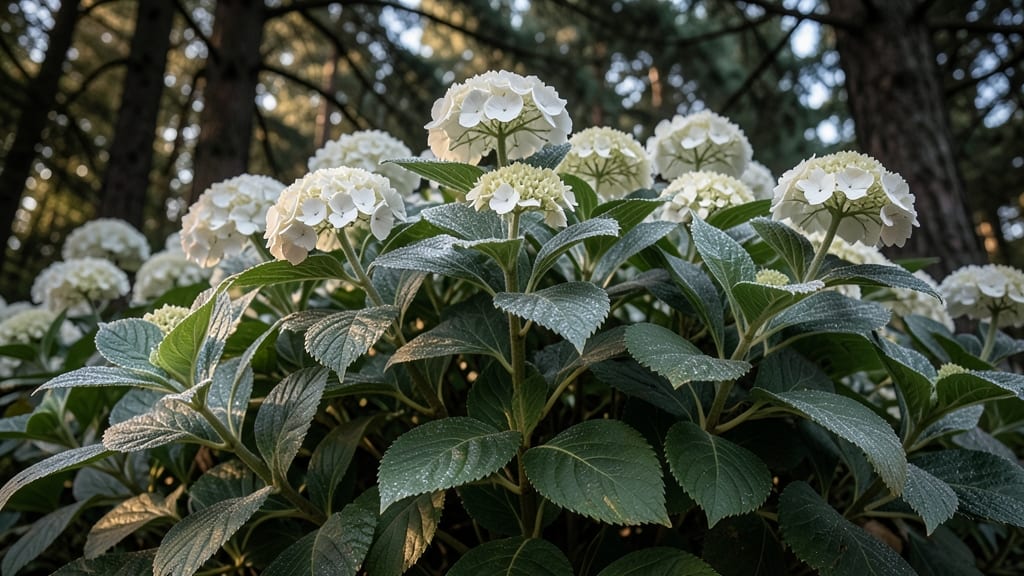
Struggling to add vibrant color to shady garden spots? These 10 shade-loving hydrangea varieties thrive in low-light conditions while delivering stunning blooms year after year. Perfect for dark corners, north-facing walls, or under trees.
Oakleaf Hydrangea for Seasonal Interest

Tired of shade gardens that fade into boring greens after summer? The oakleaf hydrangea (Hydrangea quercifolia) transforms dark corners into a four-season show with its summer blooms and showstopping fall foliage. Unlike other hydrangeas that struggle in deep shade, this native beauty thrives where sunlight barely reaches, offering creamy white lacecap flowers in June and fiery red-orange leaves by October.
This versatile shrub adapts to partial to full shade, making it perfect for understory plantings or north-facing beds. Its leathery, oak-like leaves add texture, while its fragrant blooms attract pollinators. Prune lightly in late winter to shape it—just avoid cutting back old wood where next year’s flowers form. Mulch around the base to retain moisture, as oakleaf hydrangeas prefer consistently moist, well-draining soil.
Urban gardeners with limited space will love its compact growth (6-10 feet tall), while woodland gardeners can use it to create natural layers. For year-round interest without the fuss of color-changing varieties, oakleaf hydrangea delivers effortless beauty that keeps your garden lively from spring to frost. 🌟
Bigleaf Hydrangea with Vibrant Blue Blooms

Want to transform your shady garden into a blue-hued dream without sacrificing vibrancy? The bigleaf hydrangea (Hydrangea macrophylla) delivers reliable blue blooms that shift with soil pH—turning pink to blue (or vice versa) based on acidity levels. This shade lover thrives in consistently moist, dappled-light spots, making it perfect for understory plantings or north-facing beds.
To coax those deep blues, amend soil with sulfur or aluminum sulfate (for acidity) or lime (for alkalinity) before planting. Water regularly to keep roots hydrated—drooping leaves signal thirst, while yellowing edges may mean too much sun or salt buildup. Prune spent blooms in late winter to encourage fresh growth, and avoid cutting back old wood unless reviving a neglected plant.
This variety is a color-changing superstar for gardeners who love experimentation and bold hues. Urban gardeners with limited sun or beginners craving drama will adore its low-maintenance flair and dramatic seasonal shifts. 💚
Annabelle Hydrangea for Low-Maintenance Beauty

Tired of hydrangeas that fade or require constant attention? Annabelle Hydrangea delivers bold, sterile white blooms that stay vibrant all summer—no color shifts or wilting. Unlike other varieties, its flowers don’t drop petals easily, giving you long-lasting beauty with minimal effort.
This shade-tolerant star thrives in partial shade to full sun and handles drought conditions better than many hydrangeas, making it perfect for busy gardeners. Prune it lightly in late winter to encourage larger blooms, and watch it reward you with 3-5 inch flower heads that create a dramatic focal point.
Ideal for beginners or gardeners who want hassle-free shade solutions, Annabelle Hydrangea brings effortless elegance to any garden. 🌻
Panicle Hydrangea for Late-Season Color

When summer starts to fade and most flowers have called it quits, panicle hydrangeas step in to steal the show with their cone-shaped blooms that transition from creamy white to soft pink. This unique variety thrives in partial shade, making it ideal for those tricky dark corners where other plants struggle.
What sets panicle hydrangeas apart is their extended blooming season—they often flower from mid-summer through fall, long after other hydrangeas have finished. Their upright growth habit (3-6 feet tall) makes them perfect for adding height and structure to shaded garden beds. For best results, plant in well-draining soil and water consistently, as they appreciate moisture but hate soggy roots.
Urban gardeners with limited space or gardeners who love late-season interest will find this variety especially rewarding. The gradual color change adds dynamic visual appeal that keeps your garden looking fresh well into autumn. 🌻
Lacecap Hydrangea for Delicate Elegance

Looking for a hydrangea that feels like a breath of fresh air in your shaded garden? The lacecap hydrangea delivers a delicate, almost ethereal look with its semi-double blooms—think a lacy outer ring of larger flowers surrounding a dense center of tiny florets. This unique structure creates a textured, refined appearance that no other hydrangea quite matches.
These beauties thrive in partial to full shade, making them perfect for spots where other plants struggle. Their blooms come in soft pastels like pink, lavender, or white, and they’re less prone to fading than some other varieties. For best results, plant in well-draining, acidic soil and keep it consistently moist—lacecaps reward consistent care with long-lasting blooms from mid to late summer.
Gardeners who love romantic, cottage-style gardens or small-space landscaping will adore lacecap hydrangeas—they add sophistication without overwhelming the scene. 🌷
Mountain Hydrangea for Compact Growth

If your garden space is limited but you crave hydrangea blooms, Mountain Hydrangea (Hydrangea serrata) is your perfect solution. This compact, dwarf variety thrives in deep shade while producing abundant, delicate flowers—ideal for small patios, balconies, or even window boxes.
Reaching just 2-3 feet tall and wide, it requires minimal pruning (just remove dead stems in late winter) and tolerates full to partial shade. The lacecap blooms in shades of white, pink, or blue appear in late spring to early summer, offering a refined touch without overwhelming your space. Its slow growth also means fewer maintenance headaches.
Urban gardeners and apartment dwellers will love this shade-tolerant beauty—it brings hydrangea charm to tiny spaces without the upkeep of larger varieties. 🌻
Endless Summer Hydrangea for Continuous Blooms

Tired of hydrangeas that bloom once and fade? The Endless Summer variety is a game-changer for shade gardeners, producing flowers on both old and new wood to deliver non-stop color from early summer to frost. Unlike traditional hydrangeas, this reblooming star keeps your garden vibrant long after other varieties have finished their show.
Thriving in partial to full shade, this hydrangea adapts beautifully to areas with 3-6 hours of filtered light daily. Its large, mophead blooms start in pink and mature to a stunning lavender-blue, creating a dynamic display. To encourage continuous blooming, prune in late winter or early spring, removing up to one-third of the previous year's growth while leaving some old stems for early-season flowers.
Urban gardeners with limited space or those struggling with short-season climates will love this hydrangea's ability to extend the blooming season. It's the perfect choice for adding year-round interest to shaded patios, foundation plantings, or woodland garden edges. 🌟
Limelight Hydrangea for Bold Contrast

Want to turn a gloomy corner into a showstopper? The Limelight Hydrangea delivers bold, two-tone color—starting as bright lime-green blooms that gradually fade to soft pink—making it the ultimate dramatic focal point for deep shade gardens where most plants fade away.
This bigleaf hydrangea thrives in partial to full shade, tolerating even dappled sunlight under trees. Its large, rounded blooms (up to 8 inches wide) create a lush, almost tropical feel while requiring only moderate watering once established. For best results, plant in well-draining, slightly acidic soil (pH 5.5–6.2) and prune in late winter to encourage fresh growth.
Perfect for gardeners who crave high-impact color without sacrificing shade tolerance, Limelight Hydrangeas are especially stunning when paired with dark foliage plants like heuchera or hostas. 🌟
Nikko Blue Hydrangea for Fragrant Blooms

If you crave both color and fragrance in your shaded garden, the Nikko Blue Hydrangea delivers a sensory double feature. Unlike its non-scented cousins, this variety releases a subtle, sweet perfume that lingers in the air on warm days, making it a standout for gardeners who love to unwind near their plants.
Thriving in partial to full shade, this hydrangea produces deep blue blooms that remain vibrant even in low-light conditions. To maintain its signature color, aim for slightly acidic soil (pH 5.5-6.0)—though it’s more forgiving than other blue varieties. Water consistently to keep the soil moist but not soggy, as this variety appreciates steady hydration without being overly demanding.
Perfect for gardeners who want a multi-sensory experience, Nikko Blue Hydrangea also attracts pollinators while adding a touch of elegance to shaded borders or woodland gardens. 🌿
Silver Dollar Hydrangea for Unique Foliage

Tired of shade gardens that lack visual interest? The Silver Dollar Hydrangea (Hydrangea arborescens 'Silver Dollar') transforms dull corners with its silvery-green foliage that shimmers in low light, paired with delicate white blooms. Unlike other hydrangeas, its foliage steals the show—even when flowers fade—making it ideal for gardeners who prioritize texture over just color.
This variety thrives in partial to full shade, tolerating even the darkest spots where other plants struggle. Its rounded leaves (3-5 inches wide) create a lush, almost metallic sheen, while clusters of small white flowers appear in late spring to early summer. Prune lightly after blooming to maintain shape, and enjoy its drought tolerance once established—perfect for urban gardens or understory plantings.
Urban gardeners and container enthusiasts will love its compact size (3-4 feet tall and wide), while landscape designers adore it for layered borders. The foliage’s silver hue contrasts beautifully with dark green hostas or burgundy leaves, adding drama without needing sunlight. 💚