
Light Requirements
Understanding partial shade starts with recognizing that sunlight isn't just about hours—it's about intensity and duration. 🌿 Many gardeners mistakenly assume all shade conditions are equal, but the difference between morning sun versus afternoon heat can dramatically affect plant health.
For instance, a fern thriving in dappled sunlight might crisp under intense midday rays, even if the total hours are identical. The key is replicating natural forest understory conditions where sunlight filters through leaves, creating a dynamic balance that plants evolved to handle.
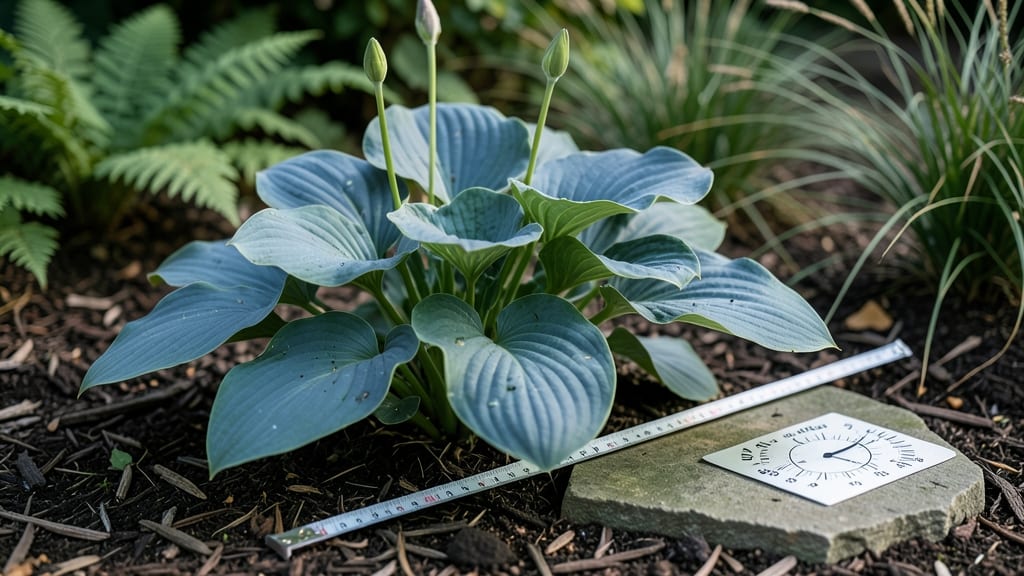
This lighting range works particularly well for container gardening, where you can easily rotate pots to adjust exposure. I've found that hostas and impatiens often do best with just 3–4 hours of morning sun, while coleus can tolerate up to 6 hours if the light isn't scorching.
The secret lies in observing your plants' leaf color—if they're developing yellow patches, they're likely getting too much direct light, while pale, leggy growth signals insufficient brightness.
💡 In This Article
- How Sunlight Hours Define Partial Shade Conditions
- Choosing Plants for 3–6 Hours of Sunlight
How sunlight hours define partial shade conditions
Partial shade isn't just about counting hours—it's about replicating the natural conditions plants experience under tree canopies. The 3 to 6 hours range accounts for how sunlight intensity varies throughout the day.
Morning light (6-10 AM) is typically gentler with lower UV radiation, while afternoon sun (2-6 PM) can be more intense, especially in summer. This is why plants often do better with morning sun exposure—the cooler temperatures reduce stress on leaves while still providing photosynthesis energy.
The science behind this involves photosynthesis efficiency and leaf temperature regulation. Plants in partial shade have evolved to maximize light absorption during peak hours while minimizing water loss.
For example, a hosta leaf can absorb 70% of available light during morning hours but would overheat if exposed to 6+ hours of midday sun, causing chlorophyll breakdown and brown patches.
The filtered light creates what botanists call "shade adaptation," where leaves develop thinner cuticles and higher chlorophyll concentrations to work with lower light levels.
Seasonal variations dramatically affect how these hours translate to plant health. In summer, the same 3 hours of sun might feel like 4-5 hours of effective light exposure due to longer daylight hours, while winter's shorter days mean that same duration represents a larger percentage of available sunlight.
This is why gardeners in Zone 5-7 often need to adjust plant placement seasonally—what works in June might scorch plants in August. The solution? Use light meters or observe leaf color changes as your guide rather than relying solely on clock time.
Dappled sunlight—the patchwork of light and shadow created by tree leaves—plays a crucial role in partial shade conditions.
Studies show that plants receiving dappled light grow 15-25% faster than those in uniform shade because they experience brief bursts of high-intensity light that stimulate photosynthesis without the heat stress of continuous exposure.
This is why gardeners often mimic this effect by placing plants under 50-70% canopy coverage trees like Japanese maples or oak varieties, which naturally create this ideal light environment.
Another key factor is the angle of sunlight throughout the day. Early morning and late afternoon light hits leaves at a lower angle, spreading energy across a larger surface area and reducing heat buildup.
This is why many shade-loving plants develop horizontal leaf growth patterns—they've adapted to maximize surface area for low-angle light capture.
For container gardeners, this means positioning pots to catch morning sun while providing afternoon relief, often by moving them 2-3 feet closer to a building or fence as the sun arcs across the sky.
What most people don't realize is how microclimates can alter these guidelines. A north-facing wall might create a 30% cooler microclimate than the surrounding area, effectively extending the "safe" sunlight window. Conversely, a south-facing patio could turn 3 hours of sun into a 4-hour heat stressor during summer afternoons.
The solution? Monitor your specific conditions by observing how long it takes for a white sheet of paper to become warm in different locations—this gives you a practical way to measure effective sunlight hours beyond just clock time.