
Planting
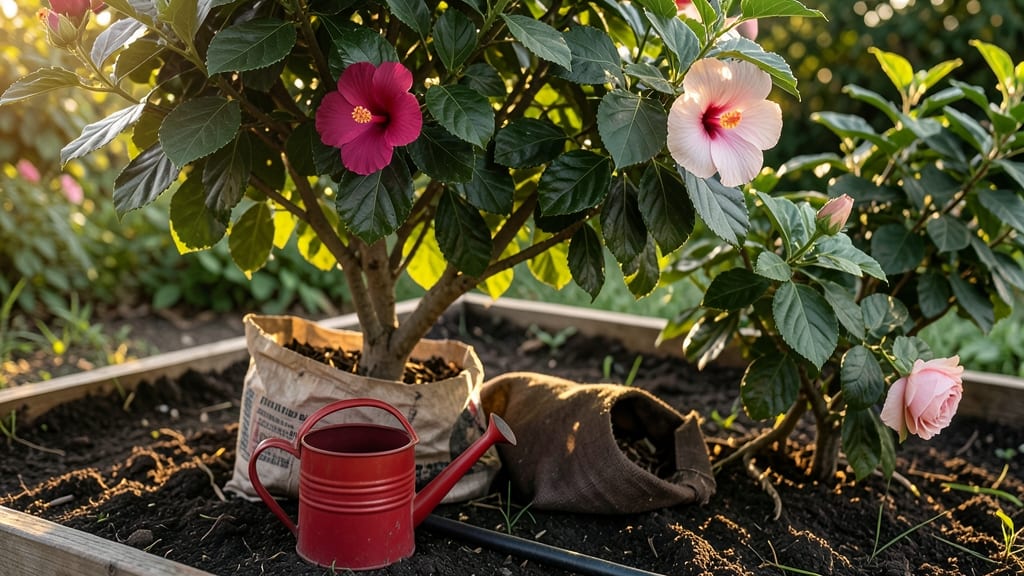
Hibiscus plants need morning sun and afternoon shade—not the full sun everyone assumes. 🌿 After years of watching my tropical hibiscus struggle in relentless afternoon heat, I finally cracked the code: six hours of bright, indirect light is the sweet spot for consistent blooms, while shielding from harsh midday rays keeps leaves from scorching.
The key isn't just "sun vs. shade" but when that sun hits.
Most gardeners overdo it with full sun, thinking hibiscus are desert plants. In reality, they thrive in partial shade—especially in hot climates where temperatures hit 90°F. Potted hibiscus can handle slightly more shade (4-6 hours of light), while in-ground plants need that morning sun to kickstart blooming.
The trick is mimicking their natural tropical understory habitat where they get dappled light through taller trees.
You'll see the difference in just two months: plants in the right light produce bold, vibrant blooms for months instead of a few half-hearted flowers. Leaves stay lush and green, not crispy-edged from sunburn, and the plant grows stronger stems that support those heavy blooms.
Even in cooler climates, this balance prevents winter dormancy issues while still encouraging spring blooms.
For low-light spots, try a south-facing window with sheer curtains or a grow light for 12-14 hours daily. In-ground plants? Plant near a tall tree or structure that casts afternoon shade. The secret isn't forcing full sun—it's creating the perfect light dance that keeps hibiscus happy all season long.
📚 In This Guide
- What you need
- Instructions
- Tips and common mistakes
- Wrapping up and next steps
What you need
- ● Hibiscus plant: Choose between tropical (e.g., Hibiscus rosa-sinensis) or hardy varieties (e.g., Hibiscus moscheutos). Buy a 1-gallon pot or bare-root plant from a nursery.
- ● Well-draining potting mix: 5–10 gallons (for containers) or amend garden soil with 20% perlite or compost to improve drainage.
- ● Container (if potted): A 12–18-inch diameter pot with drainage holes (for tropical hibiscus) or a large garden bed (for hardy types).
- ● Slow-release fertilizer: A 10–10–10 or 14–14–14 NPK blend (2–3 tablespoons per plant) or organic options like worm castings.
- ● Watering can or hose: With a gentle spray nozzle to avoid damaging flowers.
- ● Pruning shears: Sharp, bypass-style shears (sterilized with rubbing alcohol).
- ● Mulch: 2–3 inches of organic mulch (e.g., shredded bark or pine straw) to retain moisture.
- ○ Shade cloth (optional): 30–50% shade cloth for afternoon protection in intense sun (e.g., 4’x6’ panel).
- ● Heat-resistant pots: Terracotta or fiberglass containers to prevent overheating.
- ○ Grow lights (optional): A full-spectrum LED grow light (e.g., 12–16 hours/day) if natural light is less than 4 hours/day.
- ● Larger container: 18–24-inch diameter pot for better root spread in low-light conditions.
- ● Soil moisture meter: To monitor watering needs (especially in shade).
- ● Epsom salt: 1 tablespoon per gallon of water monthly for magnesium boost (great for yellowing leaves).
- ● Humidifier or pebble tray: For tropical hibiscus in dry indoor spaces.
- ● Plant supports: Stakes or cages for tall varieties (e.g., hardy hibiscus).
Step-by-Step guide to positioning hibiscus for optimal growth
Here's how I adjust light exposure for hibiscus plants to keep them blooming like clockwork.
☀️ Step 1: Identify Your Hibiscus Type and Native Conditions
Hibiscus varieties fall into two main categories: tropical and hardy. Tropical hibiscus (Hibiscus rosa-sinensis), like the classic red Chinese hibiscus, crave full sun—6+ hours daily. They wilt in deep shade, producing sparse blooms. Hardy hibiscus (Hibiscus moscheutos), like the swamp hibiscus, tolerate partial shade—3-6 hours of sun and thrive in cooler climates.
Check your plant’s leaves for clues: if they’re glossy and dark green, it’s likely tropical. If they’re matte with a bluish cast, it’s a hardy type. I always verify by cross-referencing with the plant tag—misidentifying can mean the difference between lush blooms and leggy, bare stems.
🌿 Step 2: Gradually Acclimate Plants to Light Changes
Hibiscus hate sudden light shifts. If moving a shade-loving plant to sun, start with 1-2 hours of morning sun and gradually increase exposure over 2-3 weeks. Watch for leaf scorch—edges turning crispy brown—that’s your signal to slow down. For sun plants transitioning to shade, reduce exposure incrementally to prevent shock.
I like to place plants in a spot where they’ll get dappled sunlight first (like under a sheer curtain or lace-leafed tree). This mimics natural light filtering and gives foliage time to adjust. Never move a hibiscus from deep shade to full sun overnight—it’ll burn within hours.
💧 Step 3: Adjust Watering Based on Light Exposure
Sun-loving hibiscus need consistent moisture—water when the top 1-2 inches of soil feel dry. In full sun, they’ll drink water aggressively, so mulch with 2-3 inches of organic mulch to retain moisture. Shade plants, however, stay damp longer—water every 5-7 days unless the soil is bone-dry.
Yellowing leaves on sun plants usually mean underwatering; on shade plants, it signals overwatering. I test moisture by sticking my finger in the soil—if it’s cool and clings slightly, it’s perfect. Hibiscus in full sun also need more frequent feeding—apply a balanced 10-10-10 fertilizer every 2 weeks during bloom season.
✂️ Step 4: Prune for Light Optimization
Prune hibiscus in early spring to shape the plant and encourage airflow. For sun plants, cut back leggy stems by ⅓ their length to promote bushier growth. In shade, focus on removing dead or crossing branches—these plants grow slower and need less aggressive pruning. Always use clean, sharp shears to avoid tearing leaves.
This is the moment that matters: after pruning, rotate the plant a quarter turn weekly so all sides get even light exposure. You’ll see new growth sprout from the base within 4-6 weeks—that’s your confirmation the plant is thriving in its new light conditions.
🌱 Step 5: Monitor and Adjust Seasonally
Hibiscus light needs shift with seasons. In summer, tropical hibiscus may need afternoon shade in hot climates—watch for wilting leaves as a warning. In winter, hardy hibiscus benefit from extra morning sun to compensate for shorter days. I keep a journal noting bloom frequency and leaf health by light exposure—it helps me fine-tune placement year after year.
If blooms slow down, it’s often a light issue. Tropical hibiscus need intense sun to trigger flowering; hardy types may need a cool night (below 60°F) after sunny days to set buds. This is where patience pays off—adjusting light gradually ensures hibiscus stay healthy and keep blooming like they’re on a perpetual parade.
Tips & tricks for perfect hibiscus blooms in any light
Here's what nobody tells you about keeping hibiscus thriving—whether they're basking in sun or thriving in shade.
Leaf Color Clues: The glossy, dark green leaves of tropical hibiscus are your first hint they need full sun. If they start developing a dull, bluish cast, that's your plant's way of saying "I'm actually a hardy hibiscus and would rather have some afternoon shade." I've seen gardeners miss this and end up with plants that look like they're struggling when they just needed the right light conditions.
Acclimation Strategy: When transitioning hibiscus from shade to sun, I always start with just 1-2 hours of morning sun and gradually increase exposure. This isn't just about avoiding leaf scorch—it's about giving the plant's cellular structure time to adjust. Think of it like sunbathing: you wouldn't go from zero to full sun exposure in one day either. Watch for those crispy brown edges as your warning sign to slow down.
Seasonal Light Adjustments: Summer heat can be brutal for tropical hibiscus, so I've learned to provide afternoon shade when temperatures climb above 85°F. For hardy varieties, winter's shorter days mean I move them to sunnier spots to compensate. The key is observing your plant's behavior—wilting leaves in summer or sparse blooms in winter are your cues to adjust placement.
Pruning Precision: In Step 4, when you're cutting back those leggy stems, remember that tropical hibiscus need that ⅓ length reduction to encourage bushier growth. But don't overdo it—you're not trying to create a bonsai tree. For shade-loving varieties, less aggressive pruning is better. And here's a pro move: after pruning, rotate your plant a quarter turn weekly to ensure even light exposure all around. You'll notice new growth sprouting from the base within 4-6 weeks—that's your confirmation the plant is thriving.
Pro Tips for Hibiscus Plant Shade Or Sun
- Here's what nobody tells you about keeping hibiscus thriving—whether they're basking in sun or thriving in shade.
- Leaf Color Clues: The glossy, dark green leaves of tropical hibiscus are your first hint they need full sun.
- Acclimation Strategy: When transitioning hibiscus from shade to sun, I always start with just 1-2 hours of morning sun and gradually increase exposure.
Frequently asked questions
about hibiscus care in sun or shade—because every gardener deserves a little clarity!Can hibiscus plants survive in full shade?
While hibiscus can tolerate partial shade (especially in hot climates), they thrive best with at least 4–6 hours of direct sunlight daily. Full shade may reduce blooms and weaken growth. If your yard is shady, opt for dwarf varieties or supplement with grow lights.
How do I know if my hibiscus isn’t getting enough sun?
Watch for leggy stems, sparse blooms, or yellowing leaves—classic signs of sun deprivation. Move your plant closer to a sunny window or outdoor spot, or prune leggy growth to encourage bushier, healthier foliage. Pro tip: Rotate the pot weekly for even light exposure!
Is morning sun better than afternoon sun for hibiscus?
Both work, but morning sun + afternoon shade is ideal for tropical hibiscus (like Hibiscus rosa-sinensis). Afternoon sun can scorch leaves in hot climates. Hardy hibiscus (e.g., Hibiscus moscheutos) handle more sun—just ensure consistent moisture.
Can I grow hibiscus in a container with limited sunlight?
Yes! Choose compact varieties and place pots in the brightest spot available (even a south-facing balcony). Use a well-draining potting mix and fertilize monthly. If blooms dwindle, supplement with a grow light 12–14 hours/day.
Do hibiscus need sun in winter?
Most hibiscus are tender perennials and need 6+ hours of winter sun to rebloom. In cold climates, move potted plants indoors near a sunny window or use a greenhouse. Hardy hibiscus may survive winter outdoors with mulch and frost protection.
| Quick Fixes for Sun/Shade Struggles |
|---|
|
Too much sun? Provide afternoon shade with sheer curtains or a lattice. Too little sun? Use a reflective surface (like white walls) to amplify light. |
Wrapping up and next steps
So, whether you’re a seasoned gardener or just starting your green thumb journey, hibiscus care is simpler than you think! 🌸 With the right balance of sunlight, shade, and love, your plant will reward you with vibrant blooms all year.
Now that you know the secrets, it’s time to roll up your sleeves and get growing!
🌱 Your Next Step:
- Pick your perfect spot (sunny patio, shaded balcony, or cozy corner).
- Plant with confidence—your hibiscus will thank you!
- Share your progress (or blooms!) with fellow plant lovers. 💬