
Flowers
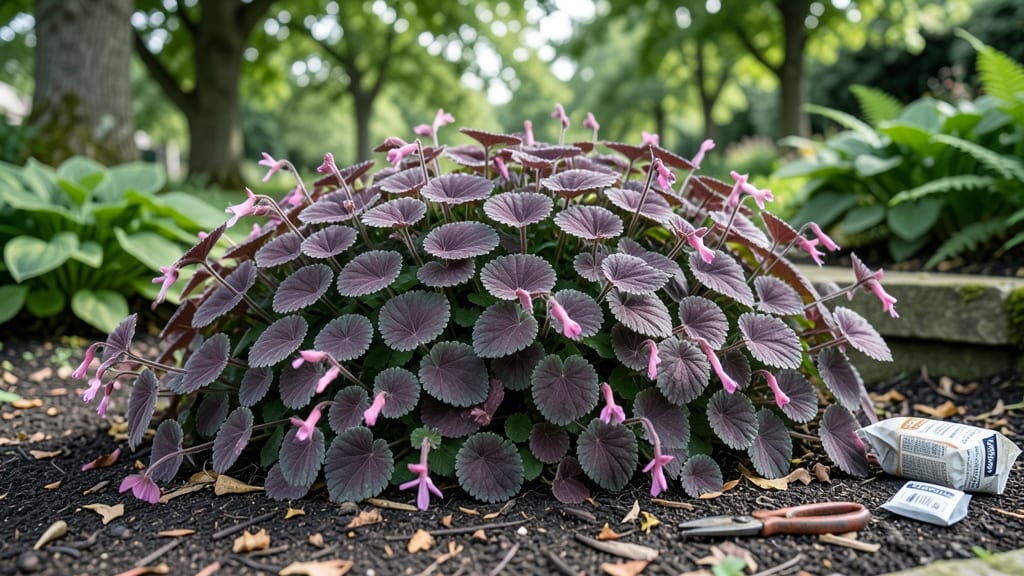
Some herbs that do well in shade, like mint and parsley, prove you don’t need full sun for a fragrant, productive garden—just a few adjustments to light and soil. 🌿 I’ve grown these same herbs in my north-facing patio for years, and they thrive with minimal fuss. and care.
The key isn’t fighting nature—it’s working with what your space offers. These herbs love moist, well-draining soil and benefit from morning sun or dappled light. Most gardeners overwater them, but shade-loving herbs actually prefer consistent moisture without soggy roots.
A simple container setup with good drainage solves half the problems before they start. By midsummer, you’ll be harvesting bright green leaves and delicate flowers that attract pollinators.
The growth might be slower than sun-loving herbs, but the flavor stays rich and the plants stay healthy through hot afternoons and winter chill. Perfect for balconies, under trees, or even indoor windowsills. Let’s turn that shady spot into a fragrant oasis without the sunburn risks.
📚 In This Guide
- What you need
- Instructions
- Tips and common mistakes
- Wrapping up and next steps
What you need
- ● Herb seedlings or seeds: 5–10 plants/seeds of shade-tolerant herbs (e.g., mint, chives, parsley, cilantro, lemon balm, or sweet woodruff).
- ● Containers or garden bed: 1–3 well-draining pots (6–12 inches deep) or a dedicated garden bed with 4–6 inches of loose soil.
- ○ Optional: Self-watering planters for indoor setups.
- ● High-quality potting mix: 1–2 bags of organic, peat-free potting soil (or a mix of 50% compost + 50% perlite/sand for drainage).
- ● Watering can or spray bottle: A gentle spray nozzle (for seedlings) or a watering can with a narrow spout (for pots).
- ○ Fertilizer (optional but helpful): 1–2 tbsp of balanced organic fertilizer (e.g., fish emulsion or compost tea) or slow-release granules.
- ● A shady spot with 2–6 hours of indirect light daily (e.g., under trees, near north-facing walls, or indoors by a bright window).
- ● Consistent moisture: Shade-loving herbs dislike soggy soil but need steady hydration (water when the top inch feels dry).
- ● Patience: Some herbs (like parsley) grow slower in low light—give them 4–8 weeks to establish.
- ● Test your soil: If planting in-ground, amend clay-heavy soil with compost or coconut coir to improve drainage.
- ● Label your herbs: Use bamboo stakes or plant markers—shade herbs can look similar until they mature!
- ● Mulch lightly: Spread 1 inch of straw or shredded leaves to retain moisture (but avoid smothering seedlings).
Step-by-step guide to growing shade-loving herbs
Here’s how to cultivate thriving herbs in low-light spots—no sun required.
🌱 Step 1: Select the Right Herbs for Shade
Not all herbs thrive in shade, but these four are perfect for dim corners: mint, parsley, cilantro, and chives. Mint grows aggressively and spreads quickly, so plant it in its own container to prevent takeover. Parsley and cilantro prefer cooler temperatures and tolerate partial shade well, while chives adapt beautifully to filtered light. Avoid sun-loving herbs like basil or rosemary—they’ll wilt without at least 4-6 hours of sunlight.
Check your space for indirect light sources, like windows facing north or east. If your area gets less than 3 hours of sunlight daily, focus on mint and parsley—they’re the most shade-tolerant. For slightly brighter spots, cilantro and chives will flourish. Watch for yellowing leaves, which signal insufficient light even for these hardy herbs.
🪴 Step 2: Prepare Containers and Soil
Use 6-8 inch deep pots with drainage holes to prevent root rot—shade herbs still need airflow. Fill each pot with well-draining potting mix (never garden soil, which compacts and suffocates roots). I mix in a handful of perlite or coarse sand to improve drainage, especially for mint, which hates soggy soil. Moisten the mix until it’s damp but not dripping, then let it sit for 10 minutes to settle.
Plant seeds or transplants 1 inch deep, spacing them 4-6 inches apart in larger containers. For single plants, like a single chive clump, use a 6-inch pot. Overcrowding leads to weak stems and disease. Gently press the soil around the base to secure plants without compacting it—you want roots to spread freely, not fight for space.
☀️ Step 3: Position for Maximum Indirect Light
Place your containers within 2 feet of a north- or east-facing window for the best indirect light. If natural light is minimal, supplement with a grow light for 12-14 hours daily. LED grow lights are energy-efficient and won’t overheat your herbs. Position the light 6-12 inches above the plants, adjusting as they grow. You’ll notice herbs leaning toward the light—rotate pots quarter-turn weekly to keep them upright.
Watch for pale or leggy growth, which means your herbs need more light. If leaves stretch toward the window, move the pot closer or increase grow light hours. Shade herbs like mint and parsley can handle lower light levels, but they’ll grow slower and less flavorful without adequate brightness. A simple test: If you can’t read a book comfortably in the spot, your herbs won’t thrive there.
💧 Step 4: Water and Maintain Consistently
Shade herbs need consistent moisture—soil should stay evenly damp but not waterlogged. Water when the top inch of soil feels dry to the touch, usually every 2-3 days depending on humidity. Mint is the thirstiest; parsley and cilantro prefer slightly drier conditions. Overwatering causes root rot, while underwatering leads to crispy leaves. Use a spray bottle for cilantro to mimic natural rainfall and prevent fungal issues.
Fertilize lightly every 4-6 weeks with a balanced, water-soluble fertilizer (like 10-10-10). Shade herbs don’t need much, but a weak solution keeps them lush. Stop fertilizing in winter when growth slows. Prune regularly to encourage bushier growth—snip wilting or yellow leaves at the base and harvest outer stems to promote new foliage. You’ll see fresh, vibrant growth within 2-3 weeks of consistent care.
✂️ Step 5: Harvest and Encourage Regrowth
Harvest herbs when they’re 4-6 inches tall by cutting outer stems just above a set of leaves. This encourages bushier growth and prevents legginess. Mint and parsley can be harvested every 2-3 weeks, while cilantro bolts quickly in heat—harvest leaves sparingly in summer. Chives produce flowers; snip them off to redirect energy into leaf growth. Always use clean, sharp scissors to avoid crushing stems.
If herbs start looking sparse, trim back by ⅓ to stimulate new growth. Shade herbs grow slower than sun-lovers, so patience pays off. In late summer, reduce watering slightly to prepare for dormancy. With the right care, your shade herbs will stay productive year-round, providing fresh flavors without needing a sunny spot.
Tips & tricks for thriving shade herbs
Here's what I learned after years of growing herbs in low-light spots—these tricks make all the difference between struggling plants and lush, flavorful harvests.
Light Optimization: That 12-14 hour grow light guideline is perfect for even the dimmest spaces. I've found that positioning your grow light 8-10 inches above the plants (closer than the 6-12 inch range) gives cilantro and parsley the extra boost they need when natural light is scarce. Just remember to adjust it back up as your herbs grow taller—you don't want to burn those delicate leaves. The key is mimicking natural sunlight patterns as closely as possible.
Container Selection: While 6-8 inch pots work for most herbs, I've discovered that cilantro actually thrives in slightly shallower containers—4-5 inches deep is ideal for this herb. Its roots don't need as much depth as mint or parsley, and shallower pots help prevent the soil from staying too damp. For mint, which spreads aggressively, I recommend using 12-inch pots or larger to contain its growth without restricting root development. This prevents the plant from becoming root-bound too quickly.
Watering Wisdom: The "evenly damp but not waterlogged" rule is spot-on, but here's my secret: I water my shade herbs from the bottom up. Place your pots in a shallow tray of water for about 10-15 minutes, then drain completely. This method gives roots access to moisture while preventing overwatering at the soil surface. I've found this works especially well for parsley, which can develop fungal issues from surface watering. Plus, it's a great way to check drainage—if water pools after 15 minutes, you know you need better-draining soil.
Harvesting Hack: When harvesting mint and parsley every 2-3 weeks as suggested, I've noticed that cutting stems at a 45-degree angle just above a set of leaves encourages even bushier regrowth than straight cuts. For cilantro, which bolts easily, I harvest leaves individually rather than cutting whole stems—this gives you more harvests before the plant decides to flower. And here's a bonus tip: Save those cilantro stems! Chop them up and freeze them in ice cube trays with water for instant flavor boosts in soups and sauces.
Pro Tips for Herbs That Do Well In Shade
- Here's what I learned after years of growing herbs in low-light spots—these tricks make all the difference between struggling plants and lush, flavorful harvests.
- Light Optimization: That 12-14 hour grow light guideline is perfect for even the dimmest spaces.
- Container Selection: While 6-8 inch pots work for most herbs, I've discovered that cilantro actually thrives in slightly shallower containers—4-5 inches deep is ideal for this herb.
Frequently asked questions
Got questions about growing shade-loving herbs? You’re not alone!
Here are answers to the most common queries—so you can confidently cultivate your low-light herb garden without stress.
Which herbs actually thrive in shade?
Not all herbs love shade, but mint, parsley, chives, cilantro, and lemon balm are your best bets. Even oregano and thyme can adapt with partial shade (4–6 hours of indirect light daily). Avoid sun-hungry herbs like basil or rosemary—they’ll wilt!
How long does it take for shade herbs to grow?
Growth speed varies! Fast growers like mint and cilantro may sprout in 2–4 weeks, while parsley and chives take 6–8 weeks to mature. Patience is key—shade slows things down, but consistent moisture and patience pay off with lush, flavorful foliage.
Do shade herbs need extra watering?
Yes! Without direct sun, soil dries slower but retains less moisture. Water when the top inch of soil feels dry (about 1–2 times per week, depending on humidity). Mulch (like straw or shredded leaves) helps lock in moisture—just avoid soggy roots!
Can I grow shade herbs in containers?
Containers are perfect for shade herbs—they warm up faster and give you control over soil drainage. Use pots with drainage holes and well-draining potting mix (add perlite or compost for fluffiness). Mint and parsley love this setup!
Why are my shade herbs turning yellow or leggy?
Yellow leaves often mean overwatering or poor drainage, while leggy stems signal too little light. Try moving your herbs to a brighter spot (but still shaded), or trim leggy growth to encourage bushier regrowth. Fertilizer (like fish emulsion) can also help if soil nutrients are lacking.
Wrapping up and next steps
Growing herbs in shade doesn’t mean sacrificing flavor or beauty—it’s all about choosing the right plants and giving them the love they need! 🌿 From fragrant mint to zesty cilantro, these shade-tolerant herbs prove that lush gardens thrive even without direct sunlight.
Whether you’re a seasoned gardener or just starting out, your shaded space can become a thriving herb haven with a little patience and care.
Ready to turn your shady spot into a green oasis? Start small—pick one or two herbs to experiment with, then expand as you gain confidence. Happy gardening! 🌱