
Light Requirements
Struggling to grow herbs in your shady garden spot? These 10 hardy herbs not only survive but thrive in part shade, offering flavor, fragrance, and beauty without demanding full sun exposure. Perfect for under trees, north-facing patios, or woodland garden edges.
Mint Varieties for Cool Gardens

Got a shady corner that feels too dark for most herbs? Mint is your secret weapon—it thrives in part shade while delivering that signature fresh, cooling scent we all love. This fast-growing herb spreads aggressively, making it perfect for containers or designated borders where you can control its takeover.
For culinary use, peppermint and spearmint are top choices, offering bold flavors for teas, cocktails, or cooking. Plant in well-draining soil and water when the top inch feels dry. Prune regularly to encourage bushier growth and prevent it from dominating your garden. Urban gardeners will love how mint adapts to small spaces!
This hardy herb is a must-have for anyone with limited sun—just keep it contained or risk losing your garden to its charming (but relentless) spread. 💚
Cilantro with Partial Sun Tolerance

Tired of cilantro bolting too quickly in hot sun? This partial-shade tolerant variety stays fresh longer, perfect for cool-season gardens where heat stress is minimal. Unlike sun-loving varieties, it produces tender leaves for weeks before flowering, giving you time to harvest for salads, salsas, and garnishes.
Sow seeds directly in well-draining soil with 4-6 hours of morning sun and afternoon shade. Keep soil consistently moist but not soggy, and pinch off flowers to extend leaf production. Once the plant bolts, let some seeds mature for coriander—the spice used in curries and baking.
This is the ideal herb for urban balconies or shaded kitchen gardens where sun exposure is limited. 💚
Sweet Woodruff for Ground Cover

Transform your shady garden edges into a fragrant, low-maintenance oasis with sweet woodruff. This delicate herb thrives in part shade, offering soft vanilla-scented leaves and delicate white flowers that create a dreamy, woodland-inspired border.
Plant it in moist, well-drained soil where it will spread gently to suppress weeds while adding texture and fragrance. It’s perfect for under trees, along pathways, or as a living mulch—no pruning required! The vanilla scent intensifies when leaves are crushed, making it a sensory delight for gardeners and pollinators alike. 🌿
Chives in Dappled Light

Want an herb that’s as pretty as it is practical? Chives bring edible purple flowers and mild onion flavor to your part-shade garden, making them a dual-purpose star. Unlike many herbs, they thrive in dappled light—ideal for under trees or north-facing patios—while still delivering fresh harvests year after year.
These hardy perennials grow just 6-12 inches tall, perfect for containers or as a tidy border near walkways. Snip leaves for cooking or let the flowers bloom to attract pollinators. They’re also drought-tolerant once established, requiring minimal fuss—just well-drained soil and occasional watering.
Urban gardeners and cottage-style planners will love chives for their low-maintenance charm and culinary versatility. Plus, their delicate blooms add a pop of color to shady spots. 🌻
Lemon Balm for Shady Spots

Need a citrus-scented herb that thrives where others fail? Lemon balm loves part shade, making it perfect for under trees or north-facing patios. This hardy perennial spreads easily but stays manageable in containers, giving you fresh leaves for teas, salads, or homemade pest-repellent sprays.
Plant lemon balm in well-draining soil with 3-6 hours of morning sun and afternoon shade. It tolerates occasional drought once established and blooms with tiny white flowers that attract bees and butterflies. Harvest leaves regularly to encourage bushier growth—just avoid letting it go to seed if you want to control its spread.
This versatile herb is a must-have for cutting gardens or small spaces, offering both beauty and utility without demanding full sun. 🌻
Self-Heal for Medicinal Gardens

Looking to add a touch of traditional healing to your shady garden? Self-heal (Prunella vulgaris) is your go-to herb—it thrives in part shade while offering both beauty and medicinal benefits. This hardy perennial produces charming purple flowers that attract pollinators and leaves you can use fresh or dried for teas, salves, and poultices.
Plant self-heal in well-draining soil with 2-4 hours of sunlight daily, making it perfect for woodland gardens, cottage-style beds, or even containers. Its edible leaves have a mild, slightly peppery taste and are packed with antioxidants, while the flowers make a lovely addition to bouquets. Harvest leaves throughout the growing season for continuous use.
Ideal for medicinal gardeners or those seeking a low-maintenance herb with dual purposes, self-heal brings both practicality and charm to shaded spots. 🌿
Sweet Annie for Aromatic Shade

Craving an herb that transforms your shady garden into a fragrant retreat? Sweet Annie (Artemisia annua) delivers a strong anise scent that repels insects while thriving in dry, low-light conditions. Unlike sun-loving herbs, this hardy perennial handles neglect—perfect for woodland edges or under trees where moisture lingers.
Plant it in well-draining soil with partial shade, and watch it establish quickly with minimal care. Harvest leaves for tea blends (traditionally used for fever relief) or crush them to deter pests naturally. Its drought tolerance makes it ideal for water-conscious gardeners, while the feathery foliage adds texture to shady borders.
This underrated herb is a game-changer for woodland gardeners or anyone seeking a low-maintenance, multi-purpose plant that works hard without fuss. 🌿
Lavender in Partial Shade

Think you can’t grow lavender in your shady garden? Think again—'Hidcote' lavender and similar varieties prove that this fragrant favorite can thrive with just 3-6 hours of morning sun and afternoon shade. Unlike sun-hungry types, these shade-tolerant cultivars hold onto their signature scent while producing compact, bushy growth perfect for sachets or culinary garnishes.
Plant in well-draining soil with sharp drainage to prevent root rot, and water sparingly once established. Prune lightly after flowering to maintain shape and encourage dense growth. The silvery foliage contrasts beautifully with purple blooms, making it a standout in pollinator-friendly borders or containers on shaded patios.
This is the perfect choice for gardeners with limited sun who still crave lavender’s calming aroma and pollinator appeal—no compromise needed! 🌷
Bergamot for Hummingbird Gardens

Want to turn your shady garden into a hummingbird hotspot without sacrificing your herbs? Bergamot (bee balm) is the answer—this drought-tolerant beauty thrives in part shade while producing tubular red-pink flowers that hummingbirds can't resist. Unlike sun-loving herbs, it adapts to 3-6 hours of light daily, making it perfect for woodland edges or under tall trees.
The leaves have a subtle citrusy aroma and are edible (though slightly bitter), while the flowers attract pollinators year-round. Plant in well-draining soil and water moderately—bergamot handles dry spells better than most herbs. Deadhead spent blooms to encourage continuous flowering, and watch as hummingbirds become regular visitors to your garden oasis.
This is the ultimate dual-purpose herb for pollinator gardens: beautiful, functional, and low-maintenance. Perfect for gardeners who want to support wildlife without sacrificing shade-friendly growing conditions. ✨
Wintergreen for Year-Round Interest

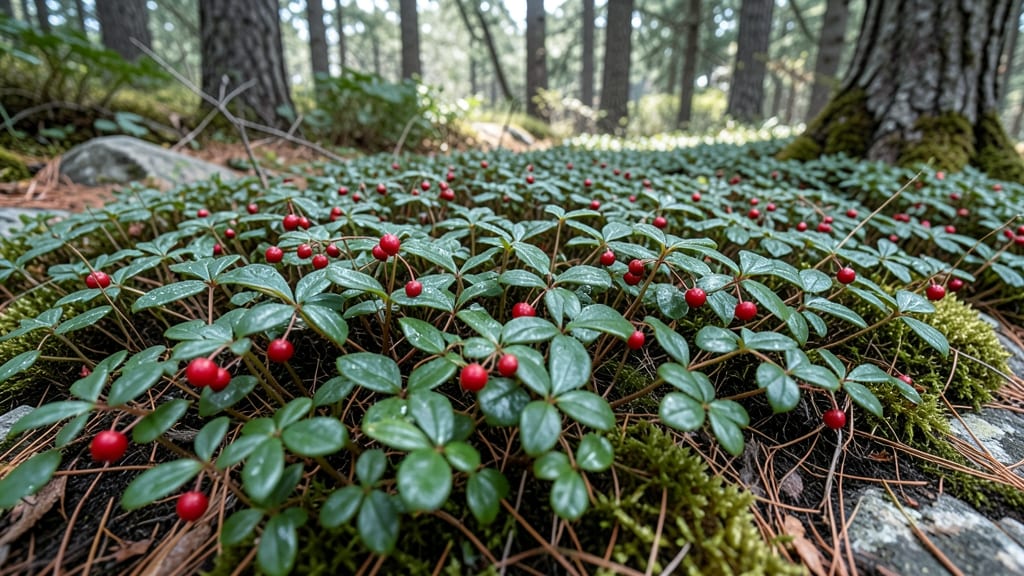
Tired of winter gardens that look bare and lifeless? Wintergreen (Gaultheria procumbens) is the evergreen ground cover that keeps your shady spots vibrant all year. Unlike most herbs that fade in cold weather, this native woodland plant stays lush with glossy leaves and bright red berries that persist through winter—adding color when little else does.
This low-growing herb thrives in deep shade, making it perfect for under evergreen trees, along foundation plantings, or in woodland gardens where other plants struggle. Its minty-scented leaves release a pleasant fragrance when crushed, while the berries provide food for wildlife. Plant in well-draining, acidic soil and water occasionally—once established, it’s remarkably drought-tolerant.
Woodland gardeners and those with north-facing beds will love how wintergreen creates a carpet of green with seasonal interest. It’s also deer-resistant, making it a practical choice for rural properties. 🌱