
Shrubs
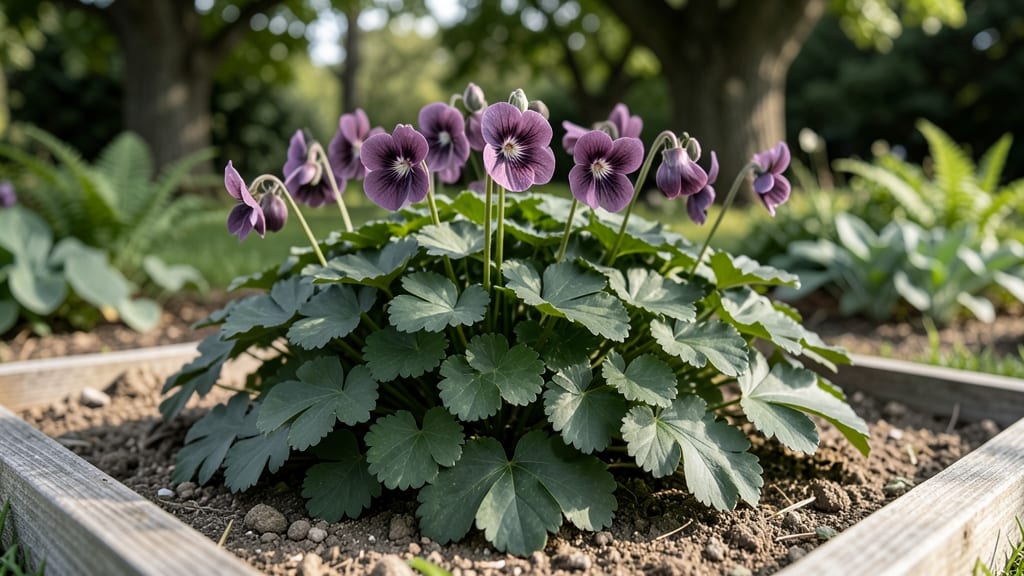
Shade-loving geraniums turn gloomy corners into bursts of color. 🌿 I spent years struggling with sun-loving varieties in my wooded backyard—until I discovered these hardy shade specialists that bloom reliably even under tree canopies.
The key lies in choosing the right species like Geranium macrorrhizum (creeping Charlie) or Geranium phaeum (dusky geranium), which thrive in partial to full shade. Unlike their sun-hungry cousins, these varieties prefer moist, well-draining soil and tolerate cooler conditions where other plants wilt.
You'll enjoy longer bloom times and fewer pests, plus the satisfaction of transforming underutilized garden spaces. The secret is simple: match the plant to the light, water consistently, and prune lightly after flowering to encourage fresh growth.
Perfect for woodland gardens, north-facing patios, or any spot where sun-loving plants refuse to grow. Let's bring color to your darkest corners!
📚 In This Guide
- What you need
- Instructions
- Tips and common mistakes
- Wrapping up and next steps
What you need
- ● Shade-tolerant geranium varieties: Choose Pelargonium species like P. peltatum (Ivy Geranium) or P. zonale (Zonal Geranium) for partial shade. Aim for 3–5 plants depending on your space.
- ● Well-draining potting mix: A blend of 50% peat or coconut coir, 30% perlite or vermiculite, and 20% compost (1–2 bags, ~2–3 cubic feet total). Avoid heavy garden soil!
- ● Containers or garden bed: Containers: 5–7 gallon pots (1 per plant) with drainage holes. Opt for terracotta or fabric grow bags for breathability.
- ● Garden beds: A 3–4 ft wide, 6–8 ft long raised bed or in-ground area with amended soil (if not using containers).
- ● Slow-release fertilizer: A balanced 10-10-10 or 20-20-20 formula (1–2 tbsp per plant or per square foot of bed). Look for organic options like fish emulsion or worm castings.
- ● Hand trowel or small shovel (for planting and soil prep).
- ● Gloves (to protect your hands from soil and thorns).
- ○ Mulch (optional): 2–3 inches of shredded bark or pine needles to retain moisture and regulate temperature.
- ○ Support stakes (optional): 6–12 inch bamboo stakes for trailing varieties like Ivy Geraniums.
- ● Spray bottle or watering can with a fine rose (for gentle hydration in shade).
- ● Pruning shears (for trimming leggy growth or deadheading).
How to grow thriving geraniums in shady spots
With the right variety and care, you can coax vibrant blooms from geraniums even in low-light corners.
🌱 Step 1: Select the Right Shade-Tolerant Varieties
Not all geraniums handle shade equally—look for ivy geraniums (Pelargonium peltatum) or zone geraniums (Pelargonium x zonale) labeled as shade-tolerant. These varieties thrive with 2-4 hours of morning sun and dappled light the rest of the day. Avoid traditional geraniums like Angels or Regal types, which demand full sun.
I always check the plant tag for terms like "partial shade" or "low-light tolerant." If you're unsure, start with ivy geraniums—they're the most forgiving in dim conditions. These plants grow as trailing vines, making them perfect for hanging baskets or window boxes where light filters through.
🪴 Step 2: Prepare Well-Draining, Moisture-Retentive Soil
Shade-loving geraniums need soil that drains quickly but holds moisture—sandy loam or a mix of 50% potting soil and 50% perlite or coarse sand works best. Avoid heavy clay or compacted garden soil, which suffocates roots and causes rot. Amend the area with 2-3 inches of compost to boost organic matter.
Test your soil's moisture retention by squeezing a handful—it should crumble when dry but not feel gritty. If your garden soil is too dense, mix in 1 part peat moss to 2 parts native soil. This ensures roots get both air and hydration without sitting in soggy conditions.
☀️ Step 3: Plant in the Right Location and Water Consistently
Choose a spot with indirect light—think under trees with high canopies or near north-facing walls. Geraniums in shade need regular watering because they can't photosynthesize as efficiently. Water when the top inch of soil feels dry, usually every 2-3 days in warm weather or every 5-7 days in cooler months.
Water deeply at the base to encourage strong root growth, and avoid wetting the foliage to prevent fungal issues. Mulch with 1-2 inches of shredded bark to retain moisture and regulate soil temperature. You'll notice healthier stems and more blooms when the soil stays consistently moist but not waterlogged.
✂️ Step 4: Prune and Fertilize for Continuous Blooms
Deadhead spent flowers weekly to encourage new blooms—pinch off faded blooms with your fingers or clean pruners. Trim leggy stems back by one-third in early spring to promote bushier growth. Avoid heavy pruning in fall, as geraniums need foliage to store energy for winter.
Feed with a balanced liquid fertilizer (10-10-10) every 4-6 weeks during the growing season. In shade, geraniums grow slower, so reduce fertilizer strength by half to avoid burning roots. You'll see a surge in new growth and vibrant blooms within 2-3 weeks of fertilizing.
🌿 Step 5: Protect and Overwinter for Next Season
In fall, reduce watering as temperatures drop, but keep the soil lightly moist. Before the first frost, cut back stems by half and move potted geraniums to a cool, bright indoor spot (50-60°F). If growing in the ground, mulch heavily with 4-6 inches of straw or leaves to insulate roots.
Check plants monthly for pests like spider mites or aphids—shade can make them more vulnerable. A gentle spray of soapy water resolves mild infestations. With proper care, your shade geraniums will reward you with blooms again next spring, proving that even dark corners can shine.
Tips & tricks for perfect shade-Geranium care
Here’s what nobody tells you about keeping shade geraniums thriving when the light is scarce.
Variety Matters: Ivy geraniums (Pelargonium peltatum) are your best bet for shade—they handle low light better than zone geraniums and cascade beautifully in hanging baskets. Look for plants labeled "partial shade" or "low-light tolerant" at the nursery. I’ve seen ivy geraniums bloom even under just 2-4 hours of morning sun if the rest of the day offers dappled light through tree leaves.
The Soil Secret: The 50% potting soil/50% perlite mix is non-negotiable—it prevents soggy roots while retaining enough moisture for shade conditions. If your garden soil is heavy clay, mix in 1 part peat moss to 2 parts native soil to improve drainage. Pro tip: Test your soil by squeezing a handful—it should crumble when dry but not feel gritty. This texture mimics their natural habitat in rocky, well-drained areas.
Watering Wisdom: Shade geraniums need consistent moisture, but overwatering is their biggest enemy. Water when the top inch of soil feels dry—usually every 2-3 days in warm weather—but always water deeply at the base. Mulch with 1-2 inches of shredded bark to lock in moisture and keep roots cool. I’ve seen plants wilt dramatically when watered only at the leaves, so always aim for the soil.
Fertilizer Timing: Since shade slows growth, use a balanced 10-10-10 liquid fertilizer every 4-6 weeks, but cut the strength in half to avoid burning roots. The 2-3 week surge in blooms after fertilizing is your reward for patience—shade geraniums grow slower but reward you with longer-lasting flowers. Avoid fall fertilizing; the plant needs to focus on storing energy for winter.
Pro Tips for Geraniums For Shade
- Here’s what nobody tells you about keeping shade geraniums thriving when the light is scarce.
- Variety Matters: Ivy geraniums (Pelargonium peltatum) are your best bet for shade—they handle low light better than zone geraniums and cascade beautifully in hanging baskets.
- The Soil Secret: The 50% potting soil/50% perlite mix is non-negotiable—it prevents soggy roots while retaining enough moisture for shade conditions.
Frequently asked questions
Got questions about growing geraniums in shady spots? You’re not alone! Here are answers to the most common concerns—so you can enjoy those vibrant blooms without the sunburn worries.
Can geraniums really grow in full shade?
Not all geraniums thrive in full shade, but shade-tolerant varieties like Zonal Geraniums (Pelargonium x hortorum) or Ivy Geraniums (Pelargonium peltatum) can handle 4–6 hours of dappled light. Avoid deep, dark corners—they’ll struggle. For full shade, consider alternatives like impatiens or ferns instead.
How long does it take for shade-loving geraniums to bloom?
With the right conditions (partial shade + well-draining soil), geraniums may bloom 8–12 weeks after planting in spring. Pinch back leggy stems early to encourage bushier growth and more flowers. Patience pays off—once established, they’ll reward you with months of color!
Why are my shade geraniums wilting or turning yellow?
Yellow leaves often signal overwatering or poor drainage—geraniums hate soggy roots! Ensure pots/containers have drainage holes and water only when the top inch of soil is dry. Check for pests like spider mites too (they love dry shade). Adjust care, and your plants should perk up in 1–2 weeks.
Are there geranium alternatives that do better in deep shade?
Yes! If your space is very shady, try these low-light champions:
- Heuchera (Coral Bells) – Stunning foliage, thrives in full shade.
- Lamium (Dead Nettle) – Trailing, purple-spotted leaves + flowers.
- Astilbe – Feathery plumes in partial to full shade.
- Hosta – Classic shade plant with bold textures.
Do shade geraniums need extra fertilizer?
Light feeders! Use a balanced, water-soluble fertilizer (10-10-10) every 4–6 weeks during spring/summer. Avoid heavy doses—geraniums prefer moderation. For organic options, try compost tea or worm castings. Skip fertilizing in winter—they’re dormant!
Wrapping up and next steps
Growing geraniums for shade proves that even the dimmest corners of your garden can burst with color! 🌿 With the right varieties—like Geranium phaeum or Geranium macrorrhizum—and a few simple care tips (think moisture, mulch, and patience), you’ll enjoy vibrant blooms without the sun.
Don’t let shade stop you—start small, experiment, and watch your garden transform!
Ready to dive in? Pick a shade-loving geranium today, grab some compost, and give your garden a low-light makeover. Your future blooms will thank you! 🌸