
Plants
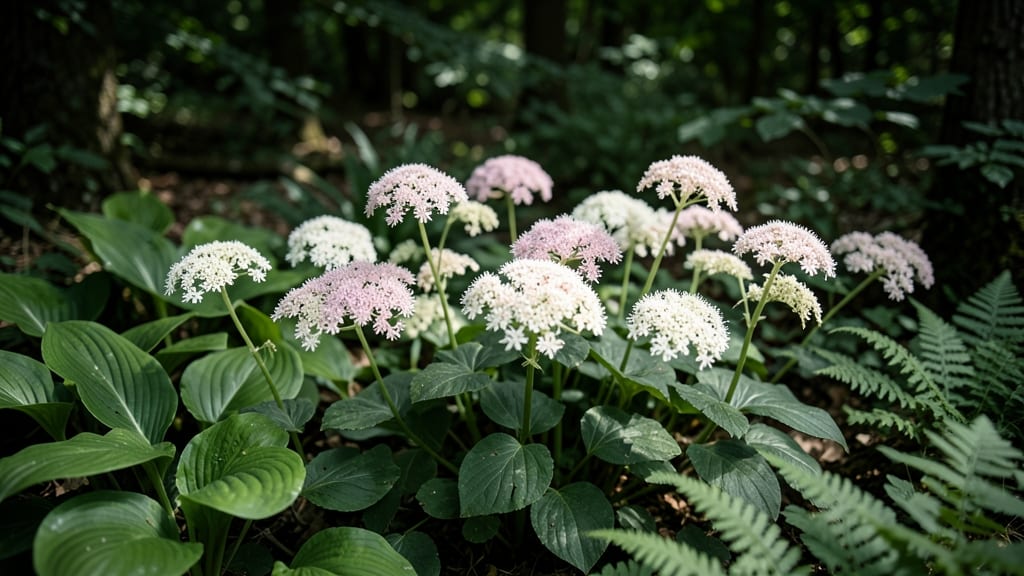
Tired of struggling with shade gardens that look bare? These 10 hardy perennial flowers thrive in Zone 7’s shady spots, offering vibrant blooms with minimal care—perfect for under trees, north-facing borders, or woodland gardens.
Hostas for Textured Green Foliage

If your garden has areas that never seem to get enough sunlight, hostas are the unsung heroes of shade gardening. These hardy perennials thrive in low-light conditions and offer a stunning range of foliage colors—from deep blue to vibrant chartreuse—plus delicate lavender blooms in summer.
Hostas are incredibly versatile: plant them as ground cover to fill empty spaces under trees or in containers for patios and balconies. They prefer moist, well-drained soil and partial to full shade, making them perfect for Zone 7’s humid summers. For extra color, choose varieties like 'Blue Angel' or 'Halcyon' for striking foliage, or 'Francee' for fragrant lavender flowers.
Whether you're a beginner or a seasoned gardener, hostas bring effortless beauty to shady spots with minimal fuss. 🌱
Bleeding Heart for Heart-Shaped Blooms

Looking for a plant that turns your shady garden into a romantic retreat? Bleeding heart (Dicentra spectabilis) delivers cascading clusters of heart-shaped blooms in soft pink or white, creating a whimsical, fairy-tale effect that’s hard to resist.
This Zone 7 perennial thrives in moist, well-drained soil and partial to full shade, making it ideal for understory plantings or foundation beds. Its fern-like foliage provides year-round interest, while its spring blooms (lasting 4-6 weeks) attract hummingbirds. For best results, plant in early spring or fall, spacing clumps 18-24 inches apart to allow their graceful stems to arch naturally.
Perfect for gardeners who want drama without fuss, bleeding heart’s delicate charm makes it a standout for cottage gardens, woodland edges, or container displays. Just remember—it’s not drought-tolerant, so mulch well to retain moisture. 🌷
Astilbe for Feathery Flower Plumes

Want to add height and movement to your shade garden without sacrificing blooms? Astilbe delivers soft, feathery plumes in pink, white, or red that dance in the slightest breeze—perfect for filling empty corners or containers where sun barely reaches.
These pollinator magnets thrive in partial to full shade and prefer consistently moist (but not soggy) soil. Plant them in clusters for maximum impact, and choose varieties like 'Fanal' for deep pink or 'Deutschland' for bold red. Deadhead spent blooms to encourage more flowers, and divide clumps every 3-4 years to keep them vigorous.
Urban gardeners and small-space lovers will appreciate how well astilbe performs in pots, while traditional gardeners can use it to create dramatic focal points. With minimal care, you'll enjoy season-long color that brightens even the shadiest spots. ✨
Hellebores for Early Winter Interest

When your garden looks like a blank canvas in late winter, hellebores swoop in like a dramatic stage entrance. Known as the "Christmas rose," these shade-loving perennials bloom from January through March, when most plants are still dormant. Their unique nodding flowers in white, pink, or deep purple create a striking contrast against dark foliage, adding color when you need it most.
Hellebores thrive in partial to full shade and tolerate Zone 7’s winter chill, making them ideal for understory plantings or north-facing beds. They’re also drought-tolerant once established, requiring only occasional watering. For best results, plant in well-draining, slightly acidic soil and mulch heavily in winter to protect roots. Deadhead spent blooms to encourage more flowers, but leave the foliage for winter interest.
These low-maintenance perennials are perfect for gardeners who want year-round structure without fuss. Beginners will appreciate their hardiness and minimal care, while experienced gardeners can mix varieties for a stunning early-season display. 🌷
Lungwort for Unique Spotted Leaves

Want to add a touch of whimsy to your shade garden while attracting pollinators? Lungwort (Pulmonaria) is a hidden gem with its striking silvery-spotted foliage that evolves into deep green as seasons change. Unlike other shade plants, lungwort offers blue-purple flowers in early spring, creating a two-season show that’s both functional and beautiful.
This Zone 7 perennial thrives in partial shade (3-6 hours of sun) and tolerates a range of soil types, making it perfect for understory plantings or as a low-maintenance ground cover. Its ability to spread slowly (12-18 inches per year) means you’ll get lush coverage without aggressive takeover. Butterflies and bees adore its nectar-rich blooms, while its unique foliage adds texture to cottage gardens or woodland edges.
Ideal for gardeners who want year-round interest with minimal effort, lungwort’s adaptability makes it a standout for both beginners and seasoned growers. Just snip back faded flowers to keep the plant tidy, and enjoy its effortless charm. 🌿
Japanese Painted Fern for Ornamental Foliage

If you're craving a low-maintenance plant that delivers year-round visual interest without the fuss of flowers, Japanese painted fern (Athyrium niponicum var. pictum) is your secret weapon. This shade-loving perennial steals the show with its silvery-white and deep green fronds, creating a striking contrast that brightens even the darkest corners of your garden.
Thriving in moist, well-drained soil and partial to full shade, it’s perfect for understory plantings, woodland gardens, or containers where sunlight is scarce. Unlike flowering perennials, this fern offers textural drama year-round, with fronds that arch gracefully and hold their color through all four seasons. For best results, plant in spring or early fall and keep the soil consistently moist—mulching helps retain humidity and suppress weeds. Its slow-spreading habit (12-18 inches per year) makes it ideal for filling gaps without overwhelming other plants.
Gardeners who love minimalist design or textural contrast will adore how this fern pairs with hostas, hellebores, or bleeding heart. It’s also a pollinator-friendly choice, as its lacy fronds provide shelter for beneficial insects. Perfect for beginners or busy gardeners, this fern proves that beauty doesn’t require blooms—just the right plant in the right spot. 🌿
Coral Bells for Long-Blooming Color

If you love vibrant foliage that pops in shady spots, coral bells (Heuchera) are your secret weapon. These shade superstars offer foliage in every color imaginable—deep purple, lime green, or even silvery-blue—while producing delicate flowers from spring through fall. Unlike many shade plants that focus solely on foliage, coral bells give you double the beauty with both striking leaves and airy blooms.
Perfect for containers, rock gardens, or woodland edges, coral bells thrive in partial to full shade and well-drained soil. Their compact size (12-18 inches tall) makes them ideal for small spaces, while their drought-tolerant nature means less watering once established. For best results, plant in spring, space them 12-18 inches apart, and prune spent flower stalks to encourage more foliage growth. Varieties like 'Palace Purple' or 'Lime Rickey' add bold color contrasts that brighten even the darkest corners.
Urban gardeners with balconies or patio containers will love how coral bells bring year-round interest with minimal care. Their versatility makes them a must-have for anyone who wants low-maintenance, high-impact shade plants that keep giving all season. 💚
Solomon’s Seal for Arching Flower Stems

Ready to add elegant movement to your shade garden without the fuss? Solomon’s Seal (Polygonatum) brings arching stems adorned with dangling white or pink bell-shaped flowers that sway gently in the breeze—perfect for creating a natural, flowing curtain effect in shaded borders.
This Zone 7 perennial thrives in partial shade (3-6 hours of sun) and spreads slowly (12-18 inches per year), making it ideal for understory plantings or woodland edges. Its semi-evergreen foliage provides year-round interest, while its fragrant spring blooms attract hummingbirds. Plant in moist, well-drained soil and mulch to retain moisture—once established, it’s drought-tolerant and nearly maintenance-free.
Gardeners with limited space will love how well Solomon’s Seal performs in containers, while traditional gardeners can use it to frame pathways or soften the edges of shrubs. Its graceful habit makes it a standout for adding vertical interest without the upkeep of taller perennials. 🌻
Foxglove for Tall, Dramatic Spikes

Ready to add vertical drama to your shade garden? Foxglove (Digitalis purpurea) stands tall with its 4-6 foot spikes of bell-shaped blooms in purple, white, or pink—like nature’s own chandelier. This biennial or short-lived perennial thrives in partial shade (3-6 hours of sun) and moist, well-drained soil, making it perfect for Zone 7’s humid summers.
Plant seeds in late summer or early fall for spring blooms, and watch as pollinators flock to its nectar-rich flowers. While foxglove is stunning, its aggressive self-seeding means you’ll need to deadhead spent blooms or thin seedlings to prevent overcrowding. For best results, pair it with hostas or ferns to create a layered, woodland-inspired border.
Ideal for gardeners who love bold statements, foxglove brings height and whimsy to shady spots where other plants falter. Just be prepared for its wild, self-sowing nature—it’s a trade-off for those breathtaking spikes! 🌻
Tiarella for Airy Flower Clusters

Want to add a touch of ethereal charm to your shady garden without the high maintenance? Tiarella, or foamflower, delivers delicate, airy clusters of white or pink blooms that resemble frothy lace—perfect for creating a dreamy woodland effect. Unlike many shade plants that focus solely on foliage, tiarella offers both spring blooms and attractive heart-shaped leaves that stay attractive year-round.
This Zone 7 perennial thrives in moist, well-drained soil and partial to full shade**, making it ideal for understory plantings, rock gardens, or containers where sunlight is limited. Its low-growing habit (12-18 inches tall) makes it perfect for edging pathways or filling gaps between taller perennials. For best results, plant in early spring, space clumps 12-18 inches apart, and mulch to retain moisture—once established, it’s surprisingly drought-tolerant.
Gardeners who love whimsical, low-maintenance plants will adore how tiarella pairs with ferns, hellebores, or bleeding heart. Its pollinator-friendly blooms attract early-season bees, while its tidy growth habit means no aggressive spreading. Perfect for small spaces or woodland gardens, this foamflower proves that beauty comes in delicate packages. 🌱