
Light Requirements
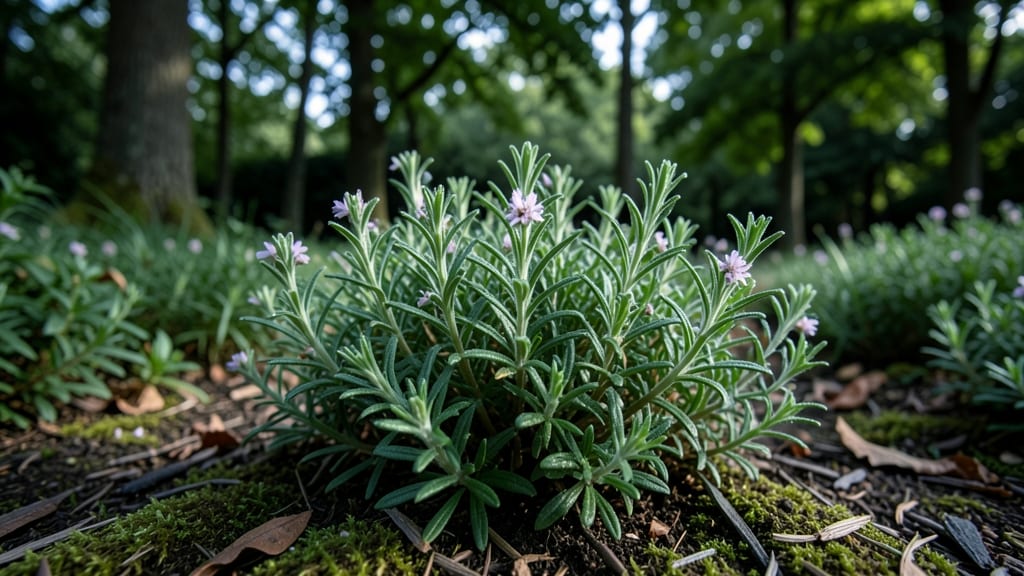
Struggling to grow herbs in your shady garden? These 10 full shade-tolerant herbs prove you don’t need sunlight to enjoy fresh flavors, medicinal benefits, and fragrant greenery. Perfect for patios, balconies, or wooded garden corners!
Sweet Woodruff for Fragrant Ground Covers

Transform your shady garden into a fragrant retreat with sweet woodruff (Galium odoratum), a delicate ground cover that thrives where most herbs refuse to grow. Its apple-like scent intensifies when crushed, releasing a sweet aroma that lingers in shaded walkways or container gardens.
This shade-loving perennial spreads gently to create a lush carpet of heart-shaped leaves, with clusters of tiny white flowers in spring. Beyond its fragrance, sweet woodruff has historical uses in natural dyeing (producing soft yellow hues) and herbal teas—traditionally brewed for its mild, slightly sweet flavor. Plant it in moist, well-draining soil with dappled shade to full shade, and watch it flourish under tree canopies or along north-facing walls.
Perfect for beginners and urban gardeners, sweet woodruff requires minimal care and adds a whimsical touch to woodland gardens. Its ability to thrive in deep shade makes it a standout for low-maintenance, aromatic landscapes. 🌿
Lemon Balm with Zesty Shade Tolerance

Need a zesty, calming herb that thrives where others fail? Lemon balm brings its signature citrusy aroma and stress-relieving properties to partial shade gardens—no full sun required. This hardy perennial grows 1-3 feet tall and spreads gently, making it ideal for containers or garden edges.
To keep it thriving, plant in well-draining soil with morning sun or dappled shade. Pinch back flowers to encourage leaf growth, and harvest leaves regularly for tea or culinary use. Unlike mint, lemon balm spreads moderately, so contain it with edging or containers if needed.
Tea lovers and stress-relief seekers will adore this herb—simply steep fresh leaves for a soothing, lemony infusion. It’s also a pollinator magnet with its cheerful yellow flowers. 🌻
Mint Varieties for Cool, Moist Shade

Turn your damp, shady corner into a mint powerhouse with peppermint, spearmint, and chocolate mint—herbs that don’t just survive shade but thrive in it. These varieties love the cool, moist conditions where other herbs wilt, making them perfect for north-facing gardens, woodland edges, or even under trees.
Use them to naturally repel pests like ants and mosquitoes, or harvest leaves for cocktails, teas, and culinary dishes. Just be warned: these plants spread aggressively! Plant them in containers with drainage holes or bury a sturdy barrier (like metal flashing) 12 inches deep to contain their roots. They’ll reward you with year-round growth if kept consistently moist.
Urban gardeners and beginners will love how low-maintenance these mints are—just avoid overcrowding, and you’ll have a fresh supply of fragrant leaves all season long. 💚
Chives with Mild Onion Flavor

Looking for an herb that’s as pretty as it is useful? Chives deliver both with their delicate purple flower stalks and mild onion flavor—perfect for garnishing dishes or adding fresh greens to salads. Unlike many herbs, they thrive in morning sun and afternoon shade, making them ideal for patios or shaded garden corners.
This hardy perennial is a breeze to grow, even for beginners. Simply snip leaves as needed, and the plant will keep producing. The edible flowers add a pop of color to plates or herb gardens, while the purple stems create visual interest year-round. Chives also deter pests naturally, making them a dual-purpose plant.
Whether you’re a first-time gardener or a seasoned green thumb, chives bring beauty and flavor to your shade garden without the fuss. 🌷
Culinary Thyme for Woodland Gardens

Bring pine-scented charm to your woodland garden with woolly thyme (Thymus pseudolanuginosus), a drought-tolerant herb that thrives where most plants struggle. Its silvery-gray foliage and tiny purple flowers create a striking contrast against rocky soil or under tree canopies, making it ideal for herb borders or alpine gardens.
This hardy perennial prefers well-draining soil and partial to full shade, tolerating dry conditions once established. Prune lightly after flowering to maintain its compact form, and harvest leaves for culinary seasoning—its mild, slightly minty flavor pairs well with roasted meats or stews. Unlike sun-loving thyme varieties, woolly thyme won’t bolt in heat, making it a reliable choice for shady, rocky, or drought-prone areas.
Perfect for low-maintenance gardeners and wildlife-friendly landscapes, woolly thyme adds texture and fragrance without demanding full sun. Its year-round greenery and resilience make it a standout for woodland gardens and herb spirals. ✨
Sweet Annie for Medicinal Shade Use

Looking for a medicinal herb that thrives in shade while also being drought-tolerant and low-maintenance? Sweet Annie (Artemisia annua) is your answer—this feathery-leaved powerhouse grows effortlessly in partial shade and even tolerates poor soil, making it perfect for permaculture gardens or neglected corners.
Beyond its ornamental value, Sweet Annie’s leaves are used to make artemisinin tea, a natural remedy with antimalarial properties. Plant it in well-draining soil with 3-6 hours of partial shade, and it will reward you with silvery-green foliage that repels pests like mosquitoes. Harvest leaves throughout the growing season for tea or tinctures.
Permaculturists and herbalists will love how Sweet Annie fits into low-input gardens—it’s hardy, self-seeding, and thrives where other herbs fail. Add it to your shade garden for both beauty and benefits! ✨
Parsley in Containers for Low Light

Skip the sun-starved struggle—parsley thrives in partial shade, especially when grown in containers. Both curly and flat-leaf varieties adapt beautifully to 3–6 hours of indirect light, making them perfect for balconies, patios, or under tree canopies where full sun is scarce. This hardy biennial packs a nutritional punch with vitamin K, C, and folate, while its strong scent naturally deters pests like aphids and carrot flies.
For container success, choose a pot with drainage holes and well-draining potting mix. Keep soil consistently moist but not soggy, and fertilize lightly every 4–6 weeks with a balanced organic fertilizer. Harvest outer leaves regularly to encourage bushier growth, and watch your parsley produce delicate white flowers that attract pollinators. Unlike sun-loving herbs, parsley won’t bolt in heat, making it a reliable choice for shady urban gardens or indoor herb setups near bright windows.
Urban gardeners and beginners will love how forgiving parsley is—it’s your go-to for year-round greens with minimal fuss. Plus, its versatility in soups, salads, and pest control makes it a multi-purpose powerhouse for any shade garden. 🌱
Oregano Varieties for Humid Shade

Skip the sunny spots and bring bold Mediterranean flavor to your shady garden with Greek oregano and golden oregano—two varieties that thrive where others fail. These hardy perennials love moist, shady conditions, making them perfect for humid climates, woodland edges, or even under dense tree canopies where most herbs struggle.
Both varieties pack a strong, earthy flavor ideal for Italian dishes, but golden oregano’s bright yellow-green leaves add visual interest too. Beyond culinary uses, oregano is a respiratory health ally—its leaves contain carvacrol, a compound with antibacterial properties often used in herbal remedies. Plant them in well-draining soil with partial to full shade, and water consistently to keep them lush. Prune regularly to encourage bushier growth and prevent woody stems.
Mediterranean gardeners and herbalists will love how these oregano varieties defy shade limitations while delivering year-round greenery and potent flavor. Their resilience makes them a must-have for humid, low-light gardens where other herbs fade. 🌿
Lavender for Twilight Gardens

Create a serene evening retreat with English lavender and Munstead lavender, two varieties that defy the myth that lavender needs full sun. These shade-tolerant beauties thrive in partial shade, releasing their signature calming scent as the sun sets—ideal for twilight gardens, patio containers, or woodland edges where other lavenders struggle.
Plant them in well-draining soil with 3-6 hours of filtered light daily, and they’ll reward you with fragrant purple blooms and silvery foliage. Once established, they’re drought-resistant, making them perfect for water-wise gardens. Prune lightly after flowering to maintain their compact shape and encourage bushier growth.
Perfect for gardeners seeking relaxation and fragrance without the sun requirements, these lavenders also attract pollinators and deter pests naturally. Add them to your evening garden for a soothing, aromatic experience. 🌷
Winter Savory for Cold Shade Spots

Bring a peppery-savory punch to your cool, shady garden with winter savory (Satureja montana), a hardy perennial that thrives where others falter. Unlike sun-loving herbs, this compact plant loves dappled shade to full shade, making it perfect for north-facing beds, understory plantings, or even container gardens tucked against a wall.
With its tiny, aromatic leaves, winter savory adds depth to stuffings, soups, and preserved meats—its flavor intensifies when dried. Plant it in well-draining soil with morning sun or filtered light, and it’ll reward you with year-round greenery (yes, even in winter!). Unlike summer savory, this variety handles cooler climates effortlessly, making it a low-maintenance choice for gardeners in zones 5-9.
Herb enthusiasts and foragers will love its dual-purpose appeal—both culinary and ornamental. Try pairing it with thyme or parsley in shady herb spirals for a fragrant, functional display. 🌱