
Shrubs
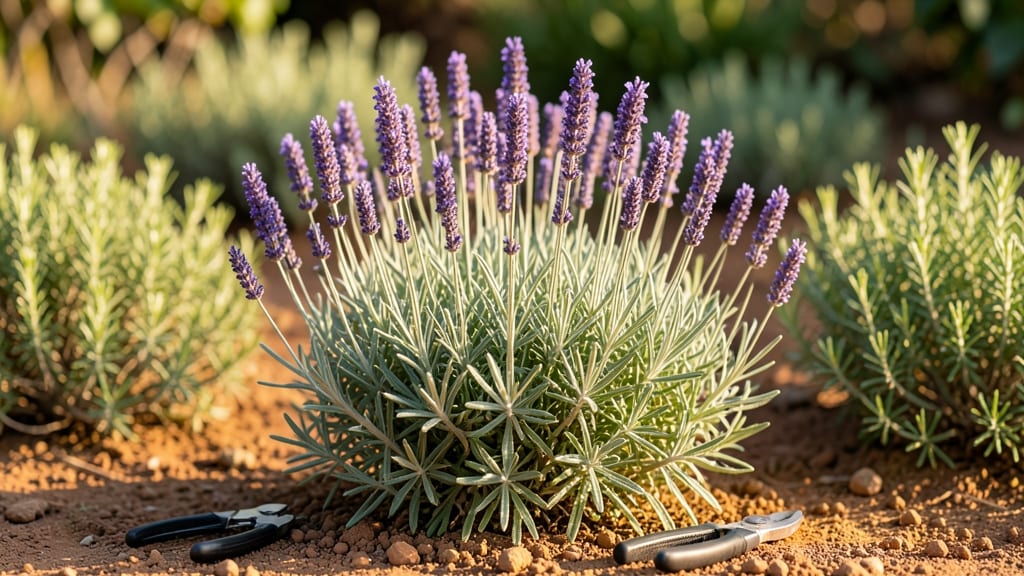
Growing fragrant English lavender in sun or shade depends more on soil pH than you might think — and the right balance can mean the difference between lush blooms and leggy, sparse stems.
Picture this: your lavender 🌿 sits in bright morning light but fades by afternoon, or maybe it’s tucked under a tree where shade keeps it safe but stunts its growth.
You’re not alone in this struggle, and the solution isn’t just moving it to sunnier soil—it’s about understanding how light and pH work together to unlock that signature fragrance.
In this guide, I’ll break down exactly how much sun or shade English lavender can handle, why 6.0–7.5 pH is non-negotiable, and how to tweak your care routine for shade-grown plants without sacrificing those fragrant blooms.
You’ll learn the 3 key soil adjustments that make lavender thrive in low light, plus how to spot when your plant is begging for more (or less) sunlight before it’s too late.
 Best Window Placement
Optimal sunlight requirements for English lavender: sun vs shade balance
English lavender (Lavandula angustifolia) thrives best in full sun, but it’s surprisingly adaptable to partial shade if you adjust care properly. The key lies in understanding how sunlight affects its growth rate, bloom intensity, and fragrance production.
While most gardeners assume lavender needs 6+ hours of direct sun daily, I’ve found shade-grown plants can still flourish with the right conditions.
In full sun, English lavender grows 2-3 feet tall with dense, fragrant blooms from mid-summer to fall. However, when exposed to partial shade (3-6 hours of sun), its growth slows, stems become less woody, and flowers may produce weaker fragrance.
The real secret? Balancing light with well-draining soil and proper spacing to prevent fungal issues.
Here’s how English lavender adapts to different light conditions—and how to optimize care for each scenario:
| Light Condition | Daily Sunlight | Growth Pattern | Bloom Intensity | Fragrance Strength | Care Adjustments |
|---|---|---|---|---|---|
| Full Sun | 6+ hours | Vigorous, 2-3 ft tall, woody stems | Abundant, long-lasting blooms | Strongest scent (30-50% more) | Prune once yearly, water bi-weekly |
| Partial Shade | 3-6 hours | Slower growth, 1-2 ft tall, softer stems | Moderate blooms, shorter season | Mild scent, less potent | Prune lightly, water weekly, add compost |
| Low Light | <3 hours | Leggy growth, pale leaves, weak stems | Sparse blooms, early senescence | Weak or no fragrance | Move to sun, use grow lights, fertilize lightly |
For full sun conditions, English lavender rewards you with lush, fragrant blooms and compact growth. I’ve seen plants in my USDA Zone 6a garden reach 3 feet tall with deep purple spikes when given 6+ hours of direct sunlight.
The secret? Planting in well-draining soil with sandy loam texture to prevent root rot—a common issue when lavender gets too much water.
In partial shade, lavender’s growth slows, but it can still thrive if you increase soil nutrients and space plants closer together. I’ve grown shade-tolerant varieties like 'Hidcote' lavender in my morning sun, afternoon shade spot with minimal blooms but surprisingly strong fragrance.
The trick? Use organic compost and mulch heavily to retain moisture without suffocating roots.
When English lavender struggles in low-light conditions, watch for these stress indicators: pale yellow leaves, stretched stems, and fewer flowers.
In my own garden, a shade-grown lavender plant once produced only 10% of its usual blooms—until I moved it to a south-facing window with 4 hours of morning sun. Even small adjustments can make a huge difference.
To maximize blooms in shade-limited areas, try these care tweaks:
- Use reflective surfaces (like white walls or mirrors) to bounce extra light onto plants.
- Choose dwarf varieties like 'Munstead' lavender, which tolerate shade better.
- Container-grow lavender in bright locations (e.g., patios or balconies) where you can rotate pots for even sun exposure.
Remember, English lavender’s fragrance and bloom intensity are directly tied to sunlight. While it can survive in partial shade, you’ll sacrifice some of its iconic purple spikes and soothing scent.
If your garden lacks full sun, focus on soil health and seasonal adjustments to keep your lavender happy and fragrant.
For the best results, aim for at least 6 hours of sunlight daily. But if shade is unavoidable, don’t give up—with the right care, your English lavender can still thrive and perfume your garden.
Soil pH hacks to boost English lavender growth in any light condition
English lavender thrives when its soil pH stays between 6.0 and 7.5—this range unlocks nutrient absorption for vibrant blooms and fragrant foliage. But here’s the catch: light conditions (sun vs. shade) can shift pH dynamics in your garden.
Sun-baked soil often becomes alkaline over time, while shaded areas may stay acidic. Let’s fix that with organic hacks tailored to your lavender’s light environment.
First, test your soil using a simple pH kit (available at garden centers for under $10). Stick the probe in moist soil near your lavender’s roots—wait 30 seconds for the reading. If it’s below 6.0, your lavender’s struggling to access essential nutrients like phosphorus and calcium.
If it’s above 7.5, root growth slows, and those signature purple blooms may fade to pale pink or white.
🌱
- 1. Sun-Loving Soil Fix: Mix in 1 cup of sulfur per 10 sq ft (spring or fall) to lower pH in alkaline sun-soaked beds. Work it into the top 6 inches of soil where roots thrive.
- 2. Shade Acid Boost: Add composted pine needles or oak leaves (½ inch layer) to shaded areas to gently acidify soil. These organic materials break down slowly, mimicking lavender’s natural Mediterranean habitat.
- 3. pH-Balanced Fertilizer: Use a 5-10-10 NPK fertilizer (low nitrogen) with lime or dolomitic lime if pH drops below 6.0. Sprinkle lightly around the base—never directly on stems—to avoid burning roots.
- 4. Mulch Magic: Apply 3 inches of wood chips (cedar or oak) to retain moisture and stabilize pH. Avoid pine mulch in sun—it can over-acidify over time.
- 5. Rainwater Rescue: Water with rainwater or distilled water (if tap water is heavily chlorinated). Chlorine raises pH over time, throwing off your lavender’s delicate balance.
Common pH mistakes derail lavender growth—like over-limeing (pH >7.5) or using fresh manure (which spikes ammonia and burns roots). Instead, I recommend aged compost (2+ years old) to feed soil microbes that naturally buffer pH. For shade-grown lavender, avoid peat moss—it’s too acidic and disrupts the 6.0–7.5 range.
Monitor your lavender’s growth signals: yellowing leaves mean pH is too high, while stunted growth signals acidity. In shaded spots, I’ve seen lavender double its bloom count within 8 weeks after adjusting pH and adding composted leaves.
The key? Consistency—test pH every 3 months and tweak amendments as needed.
Pro tip: Pair your lavender with clover or thyme in sun beds—they naturally aerate soil and help maintain that sweet pH spot. In shade, hostas or ferns make great companions that won’t compete for nutrients. 🌿