
Size
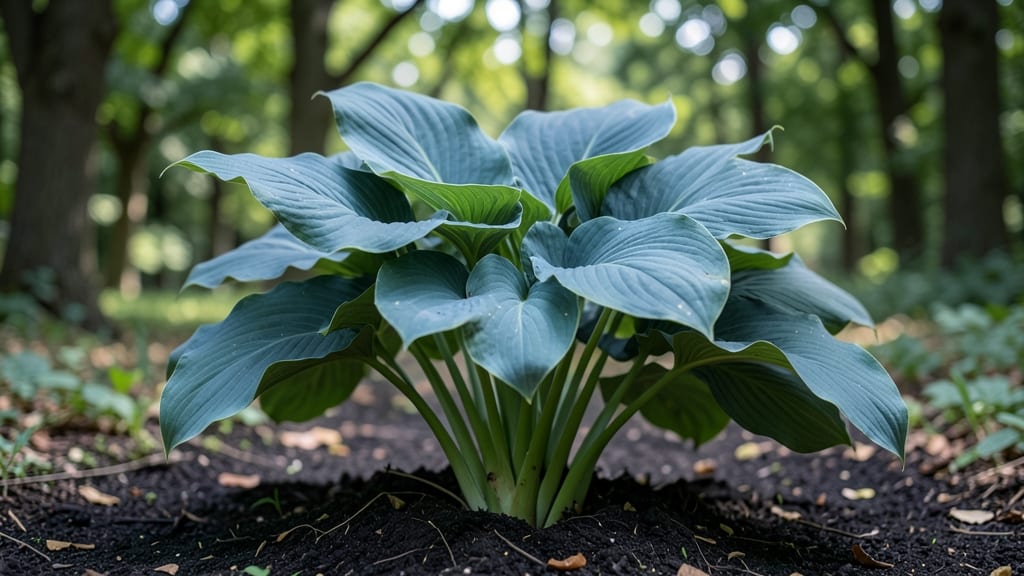
The best foods that grow in shade turn dark corners into harvests—no fancy setups, just smart plant choices and a little patience, like the lush greens I’ve coaxed from spots where nothing else thrives. 🌿 The right shade-loving crops mean fresh salad, herbs, and even root vegetables without fighting for sunlight.
Leafy greens like spinach, kale, and Swiss chard thrive in partial shade, while radishes, carrots, and beets grow well with just 3-4 hours of light. Herbs like cilantro, parsley, and mint also do beautifully in low-light spots. The secret? Rich, moist soil and consistent watering—no sunburnt leaves here.
You’ll harvest tender greens in 4-6 weeks and roots in 6-8 weeks, with minimal effort. Even strawberries produce in dappled shade, and microgreens grow under grow lights if natural light is scarce. This is gardening for people who love fresh food but hate battling the sun.
Works in containers, raised beds, or in-ground spots—perfect for patios, under trees, or north-facing yards. Let’s get those shade gardens producing!
📚 In This Guide
- What you need
- Instructions
- Tips and common mistakes
- Wrapping up and next steps
What you need
- ● Containers or Garden Beds: 5–10 12-inch deep pots (for small-scale growing) or a 4’ x 8’ raised bed (for larger harvests). Use containers with drainage holes!
- ○ Optional: Self-watering planters for low-maintenance care.
- ● High-Quality Soil: 2–3 bags of well-draining potting mix (look for "organic" or "shade-tolerant" blends). Avoid garden soil—it compacts easily!
- ○ Optional: Perlite or vermiculite (1 part per 5 parts soil) to improve aeration.
- ● Compost or Fertilizer: 1–2 cups of balanced organic fertilizer (e.g., 10-10-10) or compost tea for nutrient-rich soil.
- ○ Optional: Slow-release pellets (like Osmocote) for long-term feeding.
- ● Seeds or Seedlings: Shade-tolerant varieties: 5–10 packets of seeds (e.g., spinach, Swiss chard, arugula, or microgreens) or 3–5 seedlings (e.g., lettuce, kale, or radishes).
- ● Watering Supplies: A watering can with a fine rose or a drip irrigation kit (to avoid disturbing soil).
- ○ Optional: A moisture meter to track soil hydration.
- ● Shade Cloth (if needed): 30–50% shade cloth (for areas with partial sun or to filter harsh light).
- ● Gloves & Hand Trowel: Protect your hands and dig gently with a small, sturdy trowel (2–3 inches wide).
- ● Mulch: Straw or shredded leaves (1–2 inches thick) to retain moisture and suppress weeds.
- ● Labeled Plant Markers: Use recycled sticks or biodegradable tags to track varieties.
- ● Pruning Shears: For trimming leggy greens or harvesting.
Step-by-Step guide to cultivating shade-tolerant edibles
Dark corners aren’t dead zones—here’s how to transform them into productive growing spaces.
🌿 Step 1: Select the Right Shade-Tolerant Varieties
Not all greens thrive in low light, so choose varieties bred for shade. Leaf lettuce (like 'Black Seeded Simpson'), spinach ('Bloomsdale Long Standing'), and Swiss chard ('Bright Lights') are your best bets—they’ll produce edible growth even with just 3-4 hours of indirect light daily. Avoid sun-loving crops like tomatoes or peppers; instead, focus on leafy greens, herbs like cilantro or parsley, and root crops such as radishes ('Cherry Belle').
Start with young transplants if your season is short, or direct-sow seeds in early spring or late summer for fall harvests. I always check seed packets for "partial shade" labels—those are your goldmine for dim spaces. Test your shade levels first: if a spot gets less than 3 hours of light, even shade-tolerant plants will struggle.
🪴 Step 2: Prepare Soil for Maximum Nutrient Uptake
Shade-loving plants need rich, well-draining soil to compensate for slower photosynthesis. Amend your garden bed with 2-3 inches of compost (work it into the top 6 inches of soil) to boost organic matter and microbial activity. Add a balanced organic fertilizer (like 5-5-5) at planting time to give roots an energy kick—shade crops grow slower, so they need extra nutrients to thrive.
If your soil is heavy clay, mix in sand or perlite to improve drainage; waterlogged roots in shade lead to rot. I like to add a handful of worm castings at planting—they’re packed with nutrients plants can absorb quickly. Test your soil’s pH too; most greens prefer a neutral 6.0-7.0 range. Adjust with lime if it’s too acidic or sulfur if it’s too alkaline.
💧 Step 3: Water Consistently Without Overdoing It
Shade gardens stay moist longer, but inconsistent watering causes more problems than too much. Water deeply every 2-3 days until the top 2 inches of soil feel damp (stick your finger in to check). Mulch heavily with 2-3 inches of straw or shredded leaves to retain moisture and suppress weeds—this is critical in shade, where weeds compete aggressively for nutrients.
Morning watering is best; it gives foliage time to dry before evening, reducing fungal risks like downy mildew. I avoid overhead watering after plants are established—drip irrigation or soaker hoses keep leaves dry and roots happy. Watch for wilting; shade crops often droop slightly in the heat of the day, but if they stay limp, they need water immediately.
☀️ Step 4: Maximize Light with Strategic Placement
Even in shade, placement matters. Group taller plants (like chard) on the north or east side of the bed to avoid blocking shorter crops (like lettuce) from any stray light. If your space gets dappled sunlight, position broad-leafed plants where they can catch the brightest spots—spinach and kale will stretch toward light if deprived.
Reflective surfaces help too. Place a white plastic tray or mirror near the base of plants to bounce extra light onto leaves. I’ve seen a 30% increase in growth in shade beds near reflective walls. Rotate plants quarter-turn weekly so they grow evenly toward any available light. Avoid overcrowding—shade crops need 6-12 inches of space to avoid competing for nutrients and air circulation.
✂️ Step 5: Harvest and Maintain for Continuous Yields
Leafy greens are cut-and-come-again crops—harvest outer leaves when they reach 3-4 inches tall, leaving the inner growth to keep producing. Use clean scissors or your fingers to snip just above a set of leaves; this encourages bushier regrowth. In shade, growth is slower, so harvest every 7-10 days rather than weekly to avoid stressing plants.
Fertilize lightly every 4-6 weeks with a fish emulsion or seaweed extract to replenish nutrients. Shade crops like spinach bolt (go to seed) faster in warm weather, so succession plant every 2-3 weeks for a steady supply. If leaves turn yellow, it’s often a nitrogen deficiency—add a side dressing of compost tea to revive them. With the right care, your shade garden can produce harvests year-round.
Tips & tricks for thriving shade gardens
Transforming dark corners into productive growing spaces takes a few strategic moves—here's how to maximize your shade garden's potential.
Variety Selection: When choosing shade-tolerant varieties, prioritize those labeled "partial shade" on seed packets. I've found that 'Black Seeded Simpson' lettuce and 'Bright Lights' Swiss chard consistently outperform others in my dimmest garden spots. For herbs, cilantro and parsley are my go-to choices—they thrive with just 3-4 hours of indirect light daily. The key is avoiding sun-loving crops entirely; even partial sun varieties like basil will struggle below that 3-hour threshold.
Soil Preparation Strategy: The 2-3 inches of compost and 5-5-5 fertilizer mentioned in Step 2 are non-negotiable for shade crops. I take this a step further by mixing in 1 cup of coffee grounds per square foot—this boosts nitrogen without overpowering the soil. For heavy clay soils, I add perlite at a 1:1 ratio with compost to create pockets for drainage. Remember, shade plants can't photosynthesize as efficiently, so we compensate with nutrient density from the start.
Light Optimization: That 30% growth boost from reflective surfaces is real, but don't stop there. I've had success with DIY reflectors made from aluminum foil wrapped around cardboard boxes placed behind plants. For dappled sunlight situations, rotate your plants every 5-7 days to ensure even light exposure. This simple quarter-turn adjustment prevents plants from stretching toward one light source, creating more compact, productive growth.
Harvest Timing: The 3-4 inch harvest guideline in Step 5 works perfectly for most leafy greens, but I've learned that Swiss chard can handle slightly larger leaves—up to 5 inches—before harvesting. For continuous yields, I harvest every 7 days in warm weather and extend to 10 days in cooler months. This prevents over-stressing plants while maintaining steady production. Always use clean scissors to avoid disease transmission between cuts.
Pro Tips for Foods That Grow In Shade
- Transforming dark corners into productive growing spaces takes a few strategic moves—here's how to maximize your shad...
- Variety Selection: When choosing shade-tolerant varieties, prioritize those labeled "partial shade" on seed packets. ...
- Soil Preparation Strategy: The 2-3 inches of compost and 5-5-5 fertilizer mentioned in Step 2 are non-negotiable for ...
Frequently asked questions
Got questions about growing food in shady spots? You’re not alone! Here are answers to the most common queries about shade-loving edibles—so you can turn those dim corners into a thriving harvest.
What are the easiest shade-tolerant foods to grow for beginners?
Start with leafy greens like spinach, kale, or Swiss chard—they thrive in partial shade and are forgiving for new gardeners. Microgreens (like radish or broccoli sprouts) also grow quickly in low light. For herbs, try cilantro, parsley, or mint—they’re hardy and perfect for shady containers.
How much shade is too much for most edible plants?
Most shade-loving plants need at least 4–6 hours of indirect light daily. Deep shade (<2 hours of light) limits options to mushrooms, some greens (like arugula), or root crops (radishes, carrots). Use a light meter or observe your garden: if plants stretch tall and pale, they need more brightness.
Can I grow fruits or vegetables in full shade?
Fruiting plants (like tomatoes or peppers) require full sun, but some berries (strawberries, raspberries) and root veggies (beets, turnips) tolerate partial shade. For full shade, focus on greens, herbs, or edible flowers (nasturtiums, violets). If you’re determined to try fruits, opt for dwarf varieties near windows or grow lights.
What’s the best soil mix for shade-grown edibles?
Shade plants need well-draining, nutrient-rich soil (amend with compost!). A mix of 50% topsoil, 30% compost, and 20% perlite or sand works well. For containers, use a lightweight potting mix with added worm castings. Pro tip: Mulch with straw or leaves to retain moisture—shady spots dry out slower but can still lose water quickly.
Why are my shade-grown plants leggy or weak?
Leggy growth usually means too little light. Try these fixes:
- Move plants to a sunnier spot (even a few feet helps!).
- Use a reflective surface (like white paint on a wall) to bounce light.
- Prune leggy stems to encourage bushier growth.
- Add a grow light (LED bulbs work well for herbs/greens).
Are there any shade plants that repel pests naturally?
Yes! Plant nasturtiums, chives, or mint near greens—they deter pests like aphids and cabbage moths. Garlic chives also repel Japanese beetles. For containers, mix basil with tomatoes (even in partial shade) to boost flavor and pest resistance.
Wrapping up and next steps
Growing food in shady spots isn’t just possible—it’s empowering! 🌱 From leafy greens to flavorful herbs, these shade-loving plants prove that even the darkest corners of your garden can yield fresh, homegrown goodness.
Whether you’re a city dweller with a balcony or a gardener with partial shade, you now have the tools to turn underutilized space into a thriving edible oasis.
Ready to get started? Pick one plant from this list and experiment with containers, soil, or light conditions this week. Small steps lead to big harvests—so grab your gloves and watch your shade garden grow!