
Light Requirements
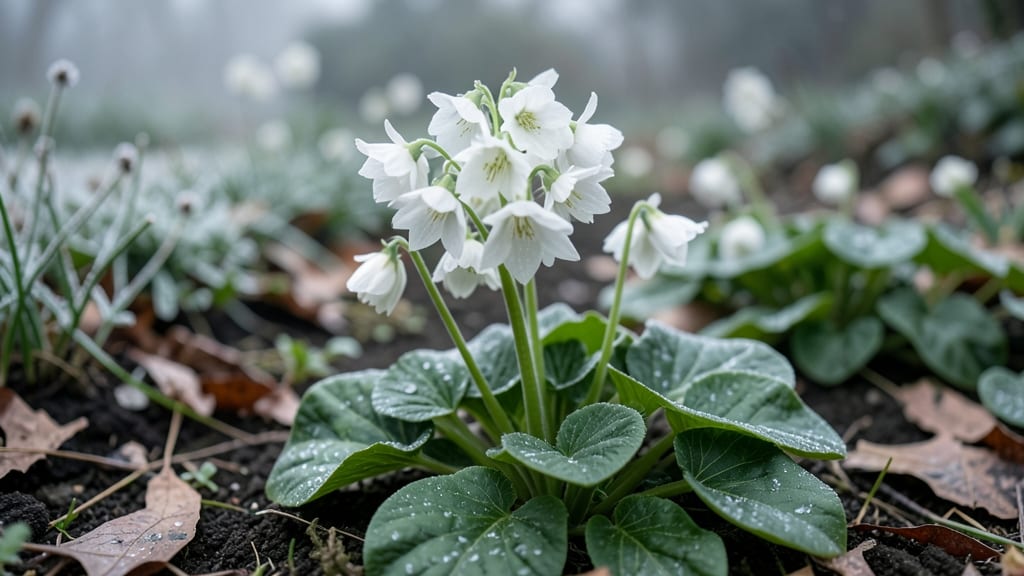
Struggling to keep your shady garden borders vibrant? These 10 partial-shade flowers thrive in dappled sunlight while delivering stunning blooms year-round, from early spring to late autumn.
Bleeding Heart Flower for Delicate Spring Beauty

When most of your garden is still sleeping under winter's chill, bleeding heart flowers (Dicentra spectabilis) burst onto the scene with their romantic, heart-shaped blooms in soft pink or white. This woodland garden staple thrives in partial shade, making it perfect for understory plantings where other flowers haven't yet emerged.
Plant these perennials in moist, well-draining soil enriched with organic matter, and they'll reward you with 3-4 weeks of spring blooms before their lush foliage provides summer interest. Deadhead spent flowers to encourage a second, lighter flush of blooms in late summer. While they're not drought-tolerant, their self-cleaning habit means fewer chores for you.
Perfect for gardeners who love a touch of whimsy, bleeding hearts pair beautifully with ferns and hostas in shaded borders. Their delicate arching stems create natural movement that brightens any early-season garden. 🌷
Hostas for Lush Green Foliage Year-Round

Looking for a year-round green statement in your shady garden? Hostas deliver bold foliage in every season—plus unexpected summer blooms—making them the ultimate textural workhorse for partial shade.
These perennials thrive in 3-6 hours of filtered sunlight, offering lavender or white flower spikes in midsummer while their blue-green, gold, or variegated leaves remain striking through winter. Choose compact varieties like 'Halcyon' for borders or giant types like 'Sum and Substance' as focal points. Deer-resistant and low-maintenance, they pair beautifully with ferns and hellebores for layered shade gardens.
Perfect for urban gardeners with limited sun or woodland-style borders, hostas bring instant drama with minimal effort—just keep soil moist and protect young plants from slugs. 🌿
Hellebores for Winter and Early Spring Blooms

When your garden looks bare in winter, helleborus (or "Christmas roses") deliver a magical surprise with their late-winter to early-spring blooms. Unlike most shade plants that wait for summer, these perennials push through snow to offer delicate flowers in whites, pinks, purples, and even near-black hues.
They thrive in deep shade—even under dense trees—where many flowers give up, and their evergreen foliage adds texture year-round. Plant them in well-draining soil and water moderately; they reward patience with 3-4 weeks of blooms when few other plants are in season. The nodding flowers also attract early pollinators like bees and butterflies.
Perfect for woodland gardens, foundation plantings, or containers in shady spots, hellebores are the ultimate low-maintenance star for winter gardeners. 💚
Astilbe for Feathery Summer Color

When your shady garden needs a dramatic summer statement, astilbe delivers with its cloud-like plumes in pink, red, and white. Unlike many shade plants that fade into greenery, astilbe's feathery blooms add vertical movement that catches the eye from every angle—ideal for borders where you want height without bulk.
These clump-forming perennials thrive in partial to full shade and prefer consistently moist (but not soggy) soil. Deadhead spent blooms to encourage a second flush of flowers, and divide every 3-4 years to prevent overcrowding. Varieties like 'Fanal' (deep pink) or 'Deutschland' (red) reach 2-3 feet tall, making them perfect for pairing with hostas or ferns at their base.
Urban gardeners and small-space planners will love astilbe—it performs beautifully in containers and brightens shady corners where other flowers struggle. For maximum impact, plant in odd-numbered clusters to create natural focal points. 🌻
Japanese Painted Fern for Textured Shade

If your shady garden feels flat and lacks visual interest, the Japanese painted fern is your secret weapon for creating texture without relying on flowers. This hardy perennial thrives in deep shade to partial sun, making it ideal for spots where other plants struggle to grow.
Its fronds feature stunning silver undersides and deep green tops, creating a dramatic contrast that catches light beautifully. Plant it alongside blooming perennials like hostas or astilbes to add depth and movement to your shade garden. This fern also handles moist, well-draining soil perfectly, making it a low-maintenance choice for woodland gardens or understory plantings.
Perfect for gardeners who love foliage-focused designs, this plant adds year-round structure while requiring minimal care. 🌿
Coral Bells for Season-Long Interest

Coral bells (Heuchera) are the unsung heroes of shade gardens, offering a double dose of color with their vibrant foliage and delicate flowers. Unlike other shade plants that focus on just leaves or blooms, coral bells deliver both—think deep purple, lime green, or silver foliage paired with bell-shaped flowers in pink, white, or red.
These perennials thrive in partial shade to full sun, making them incredibly adaptable for spots under trees or along north-facing walls. Prune them back in early spring to encourage fresh growth, and watch as they produce season-long interest from spring through fall. They’re also drought-tolerant once established, perfect for low-maintenance gardeners or urban containers.
Whether you’re filling gaps in borders or adding height to containers, coral bells bring year-round texture that other shade plants can’t match. 🌿
Toad Lilies for Unique Late Summer Blooms

When your garden craves late-season drama, toad lilies (Tricyrtis spp.) deliver with their exotic spotted blooms that appear when most perennials are winding down. These shade-tolerant beauties thrive in dry, dappled light—perfect for understory plantings where humidity lingers and roots stay cool.
Their dark-spotted yellow-green flowers and strappy foliage create a tropical vibe, while their ability to attract hummingbirds adds an extra layer of garden excitement. Plant bulbs in fall for spring emergence, and enjoy blooms from late summer into early autumn with minimal care. They’re ideal for woodland gardens or containers near patios.
Urban gardeners and pollinator enthusiasts will love how these low-maintenance plants bridge the gap between summer and fall interest. 🌟
Lungwort for Medicinal Beauty

Looking for a plant that combines medicinal history with stunning visual appeal? Lungwort (Pulmonaria) delivers both, with its unique silver-spotted foliage and delicate blue flowers that bloom in early spring when few other plants are in flower.
This hardy perennial thrives in partial shade, making it perfect for woodland gardens or understory plantings. Its silver-spotted leaves add texture year-round, while the delicate blue flower clusters attract early pollinators like bees. Lungwort also self-seeds modestly, creating natural drifts over time.
Ideal for gardeners who appreciate historical uses (it was traditionally used for respiratory health) and low-maintenance beauty, lungwort pairs beautifully with ferns and hellebores in shady borders. 💚
Sweet Woodruff for Fragrant Ground Cover

Tired of shady borders that look dull and lifeless? Sweet woodruff (Galium odoratum) transforms underutilized spots into fragrant, living carpets with its delicate white flowers and signature vanilla-like scent when crushed. This fast-spreading perennial thrives where others fail, creating a lush ground cover that suppresses weeds while adding texture to woodland gardens.
Plant sweet woodruff in partial to full shade with moist, well-draining soil, and watch it form dense mats just 4-6 inches tall. Its late spring to early summer blooms attract pollinators, while its evergreen foliage stays attractive through winter in mild climates. For best results, divide clumps every 3-4 years to maintain vigor and prevent overcrowding.
Perfect for gardeners with shady, difficult spaces or those seeking a low-maintenance solution, sweet woodruff pairs beautifully with hostas, hellebores, and ferns. Its fragrant charm makes it ideal for pathways, borders, or containers where you want to add sensory appeal without high maintenance. 💚
Foamflower for Early Season Delight

When your garden feels like it’s still napping under winter’s leftover chill, foamflower (Tiarella cordifolia) arrives as a breath of fresh air with its ethereal white clusters that appear before most perennials even think about waking up. Unlike later-blooming shade favorites, this early-season star thrives in partial shade to full shade, making it ideal for spots where sunlight is scarce but moisture lingers—think under deciduous trees or along north-facing foundations.
Its delicate, lace-cap flowers bloom in late spring to early summer, creating a soft contrast against the deep green foliage that emerges alongside it. Plant it in moist, well-draining soil enriched with compost, and watch it spread gently to form a ground-hugging carpet that pairs perfectly with hostas, ferns, and lungwort. Deadheading spent blooms encourages a second, though smaller, flush of flowers, while its deer-resistant nature makes it a practical choice for rural gardens.
Perfect for gardeners who crave early-season color without the fuss, foamflower is the unsung hero of shady borders—adding vertical interest where other plants are still getting their bearings. 🌱