
Flowers
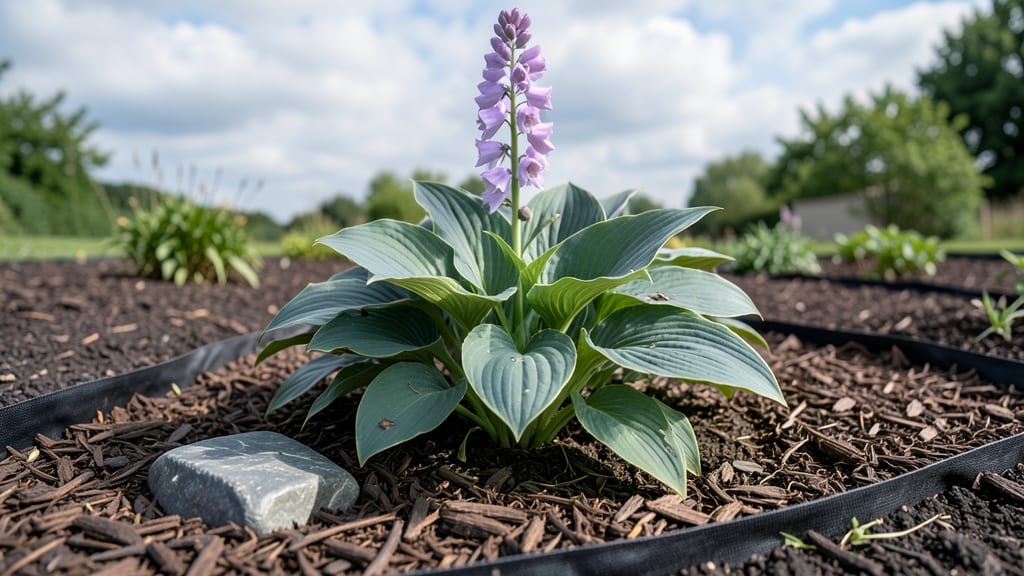
These flowers that grow well in shade will transform your darkest garden corners into fragrant, vibrant havens—after years of testing varieties that thrive where sunlight barely reaches, here are the ones that never disappoint, from delicate impatiens to bold hostas.
The secret lies in matching plants to light levels: deep shade (less than 3 hours of sun) needs different care than partial shade (3-6 hours). Most shade plants crave rich, moist soil with plenty of organic matter.
A simple mix of compost and peat moss works wonders, and mulching keeps roots cool. Spacing matters too—crowded plants compete for light, while proper airflow prevents fungal issues. My go-to combo? Hosta for structure, bleeding heart for spring blooms, and heuchera for year-round color.
You’ll end up with a garden that blooms from spring to fall, even under trees. The fragrance of lilies of the valley in spring and sweet woodruff in summer makes it unforgettable. Containers work too—just pick compact varieties like begonias or fuchsias for patio charm.
Perfect for wooded areas, north-facing yards, or under eaves. Here’s how to layer them for maximum impact.
What Limits Flower Growth in Shade
Not all flowers thrive in low-light conditions, and understanding why can help you choose the right plants for your shady spots. While shade provides relief from harsh sun, it also brings unique challenges that can stunt growth, reduce blooms, or even kill plants if ignored.
Let’s break down the key reasons why some flowers struggle in dimmer environments—and how to work with nature instead of against it.
Plants rely on photosynthesis to convert sunlight into energy, and shade cuts off this process. In deep shadows, flowers may:
- Grow leggy (long, weak stems) as they stretch toward distant light sources.
- Produce fewer blooms because energy is diverted to survival rather than reproduction.
- Develop pale or yellowing leaves (chlorosis), a sign of insufficient chlorophyll production.
💡 Pro Tip: Even shade-loving flowers need some indirect light—aim for at least 4–6 hours of dappled sunlight daily. If your spot is pitch-black, consider artificial grow lights or relocating to a slightly brighter area.
Shady areas often have compacted, moisture-retentive soil due to less evaporation. While some shade plants love humidity, too much water can suffocate roots, leading to:
- Root rot (fungal infections from soggy soil).
- Nutrient deficiencies (waterlogged soil locks out oxygen, starving roots).
- Stunted growth as roots struggle to absorb what they need.
🌡️ Check Your Soil: Stick a finger 2 inches deep after watering. If it’s still damp after 24 hours, your soil drains poorly. Amend with:
- Compost (to improve aeration).
- Perlite or sand (for grit).
- Mulch (to regulate moisture).
Shady spots—especially under trees or north-facing walls—often experience cooler, more stable temperatures. While this protects flowers from scorching, it can also:
- Slow growth (plants enter a "waiting mode" in cooler temps).
- Encourage pests (slugs, snails, and fungus thrive in damp, shaded conditions).
- Delay blooming if the plant can’t trigger flowering cues (like day length or warmth).
✨ Actionable Fix: Choose cool-season shade lovers (e.g., Hosta, Bleeding Heart) or use row covers in early spring to gently warm the soil.
Shady gardens often host dense ground covers, weeds, or tree roots that outcompete flowers for:
- Water (shallow-rooted flowers get crowded out).
- Nutrients (fast-growing weeds deplete soil).
- Space (suffocating roots from nearby trees).
🔥 Solution: Prune aggressive plants, mulch heavily (3–4 inches), and select low-competition perennials like Lungwort or Japanese Forest Grass.
By addressing these root causes—light, soil, temperature, and competition—you’ll create the perfect conditions for shade-loving flowers to flourish. Next, we’ll explore the best flower varieties that turn these challenges into opportunities.
Revive Your Shady Garden Now
Even the hardiest shade-loving flowers can struggle when conditions aren’t quite right. But don’t worry—with a few targeted fixes, you can bring your garden back to life and keep those blooms thriving in deep shadows.
Below, we’ll tackle common issues with practical, step-by-step solutions and prevention tips to ensure your fragrant, long-blooming flowers stay happy year-round.
If your shade-loving blooms are drooping or losing color faster than expected, the issue is often tied to poor soil moisture or overcrowding. Deep shade can make water evaporation slower, but that doesn’t mean roots are getting enough hydration—or that competing plants are stealing nutrients.
💧 Fix: Optimize Watering and Spacing
- Water deeply but less frequently: Instead of light daily sprinkles, water your shade garden thoroughly 1–2 times per week. Aim for 1–2 inches of water per session, letting it soak into the soil rather than pooling on top. Morning watering is best to prevent fungal issues from lingering moisture.
- Mulch like a pro: Spread a 3-inch layer of organic mulch (like shredded bark or compost) around plants to retain moisture, regulate soil temperature, and suppress weeds. Pro tip: Refresh mulch annually to maintain its effectiveness. 🌡️
- Thin out overcrowded plants: If flowers are competing for sunlight and nutrients, gently remove weaker stems or overgrown foliage. Aim for 12–18 inches of spacing between mature plants to improve airflow and reduce stress.
🔄 Prevention Tips
To keep your shade garden lush and vibrant:
- 💡 Group plants by water needs: Cluster drought-tolerant shade flowers (like Hosta or Astilbe) with those that prefer consistent moisture (like Bleeding Heart).
- ✨ Test your soil: Shade gardens often suffer from compacted or nutrient-poor soil. Amend with compost or peat moss every spring to boost fertility.
- 🌿 Avoid heavy foot traffic: Compacted soil = poor drainage. Stick to defined paths to protect root zones.
Yellowing or crispy leaves on shade-loving plants usually signal nutrient deficiencies, pests, or disease. Since shade restricts photosynthesis, plants become extra sensitive to stress.
🍄 Fix: Diagnose and Treat the Root Cause
Start by identifying the issue:
| Symptom | Likely Cause | Solution |
|---|---|---|
| Yellow leaves with green veins | Nitrogen deficiency | Apply a balanced fertilizer (10-10-10) or compost in early spring. Avoid over-fertilizing—shade plants prefer gentle feeding. |
| Brown, crispy edges | Underwatering or fungal disease (e.g., powdery mildew) |
|
| Holes or chewed foliage | Pests (slugs, snails, or aphids) |
|
🛡️ Prevention Tips
Keep your shade garden pest- and disease-free:
- 🌿 Rotate crops: If you grow annuals, avoid planting the same varieties in the same spot yearly to prevent soil-borne diseases.
- 💡 Improve airflow: Prune overgrown foliage to reduce humidity and fungal spores.
- 🎯 Choose resistant varieties: Opt for disease-resistant Hostas or Astilbe cultivars if your area has a history of mildew.
If your shade flowers are growing sluggishly or staying small, they’re likely not getting enough light (even for shade-tolerant species) or lacking essential nutrients. Some varieties, like Impatiens or Fuchsia, need bright indirect light to thrive.
☀️ Fix: Boost Light and Nutrients Strategically
- Assess your shade: Not all shade is equal! If your garden is under dense tree canopies, consider:
- 🌳 Thinning tree branches (safely!) to allow more dappled light.
- 🏡 Relocating containers to sunnier spots during peak growing months (spring/fall).
- Feed the soil: Shade gardens often benefit from slow-release fertilizers or worm castings. Apply in early spring and again mid-summer for a gentle nutrient boost.
- Try vertical gardening: If space is tight, grow vining shade plants (like Clematis) on trellises or obelisks to maximize light exposure.
🌱 Prevention Tips
Set your shade garden up for success:
- ✨ Pick the right plants: Match your shade level to the plant’s tolerance. For deep shade (under 2 hours of sunlight), try Hellebores or Lungwort. For partial shade, Impatiens or Begonias shine.
- 📊 Monitor soil pH: Many shade flowers (like Rhododendrons) prefer acidic soil (pH 5.0–6.5). Test your soil and amend with pine needles or sulfur if needed.
- 🌡️ Protect from extreme heat: Even shade gardens can overheat in summer. Use light-colored mulch or shade cloth during heatwaves.
With these targeted fixes, your shade garden will be blooming beautifully in no time! Remember, the key is observation—watch how your plants respond to adjustments and tweak as needed. Happy gardening! 🌸🌿
Frequently asked questions
What's the difference between deep shade and partial shade for flowers?
Deep shade gets less than 3 hours of sunlight daily, ideal for hardy perennials like Hellebores or Lungwort. Partial shade (3-6 hours) suits Impatiens or Bleeding Heart. The key difference is bloom intensity—partial shade plants often flower more prolifically. Always check plant tags for their exact light needs.
Can I grow shade flowers in containers?
Containers work great for shade flowers like Begonias or Fuchsias. Use pots with drainage holes and a well-draining potting mix with 30% compost. Place containers near north-facing walls or under trees where they get filtered light. Just water consistently—containers dry out faster than garden beds.
Which shade flowers attract pollinators?
Look for fragrant varieties like Lilies of the Valley (spring), Sweet Woodruff (summer), or Astilbe (all season). These produce nectar and pollen that bees and butterflies love. Plant them near sunny areas so pollinators can easily find them while still benefiting from the shade's cooler temps.
How do I prevent slug damage to my shade flowers?
Slugs thrive in damp, shaded areas. Set up beer traps (bury shallow dishes filled with beer) or use copper tape barriers around containers. Handpick slugs in the morning when they're sluggish. For prevention, keep mulch 3 inches away from plant stems to reduce hiding spots.
What's the best mulch for shade gardens?
Use 3-4 inches of organic mulch like shredded bark or leaf mold. It retains moisture (critical in shade) and regulates soil temperature. Avoid dark mulches that heat up—opt for lighter colors like pine straw. Refresh mulch annually to prevent compaction. Pro tip: Add a layer of compost underneath before mulching for extra nutrients.