
Flowers
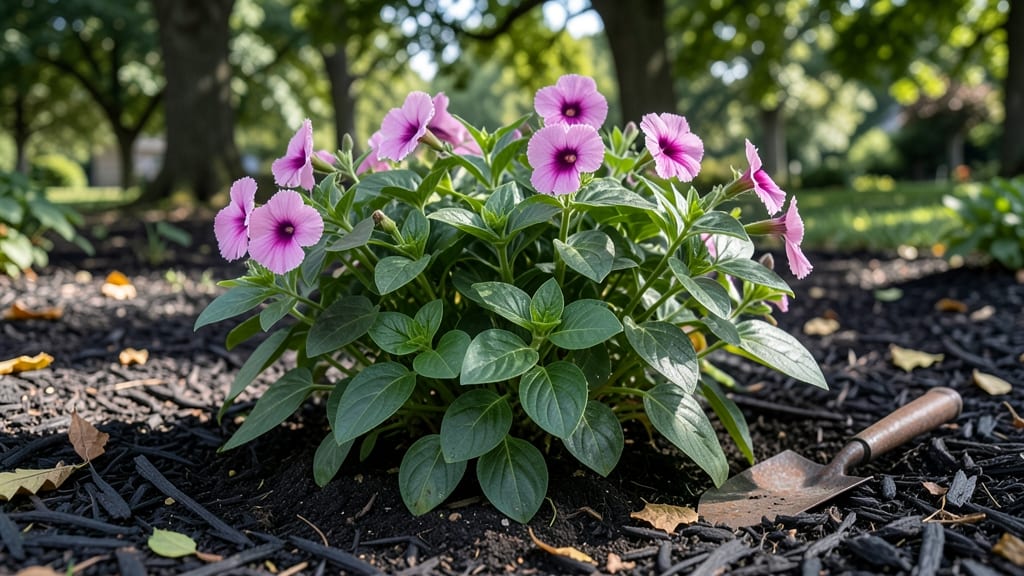
Annual flowers that grow in shade thrive in low-light conditions with options like impatiens, begonias, and fuchsias, offering vibrant blooms from spring to frost. Choose varieties suited for deep shadows or dappled light for best results.
Shade gardens often get overlooked, but the right annual flowers can transform dark corners into lush, colorful spaces. 🌿 These plants have evolved to capture diffused light efficiently, making them perfect for patios, woodland edges, or areas under trees.
Unlike sun-loving varieties, they won’t scorch in indirect light—just ensure they get at least 4-6 hours of filtered sunlight daily. My go-to picks include coleus for foliage drama and lobelia for trailing cascades, both of which handle humidity and cooler temperatures better than many sun-hungry bloomers.
What sets these shade specialists apart is their ability to photosynthesize in low light, thanks to larger, thinner leaves that maximize surface area. This adaptation means they won’t bolt or fade like sun-dependent flowers when temperatures rise.
For fastest results, prioritize impatiens (blooms in 6-8 weeks) or caladiums (showy foliage in 4-6 weeks), both of which thrive in moist, well-draining soil. Just avoid soggy conditions—their roots need airflow to prevent rot.
💡 In This Article
- Why Shade-Loving Annuals Flourish in Low Light
- Top 12 Fast-Blooming Shade Annuals for Every Garden
Why shade-loving annuals flourish in low light
Shade-tolerant annuals have evolved specialized adaptations to thrive where sun-loving plants would wither. Their leaves contain more chlorophyll, allowing them to capture the limited light available in shaded areas.
For example, begonias have thick, waxy leaves that reflect excess light while absorbing what little reaches them, while impatiens develop broader leaf surfaces to maximize photosynthesis in low-light conditions. These plants also produce fewer stomata (pores) on their leaves, reducing water loss in humid, shaded environments.
The root systems of shade annuals are typically shallower but more extensive horizontally, spreading out to access nutrients and moisture in the topsoil layer where light penetration is strongest. Coleus, for instance, develops a fibrous root network that thrives in moist, well-draining soil—ideal for shaded spots under trees.
This contrasts sharply with sun-loving annuals like marigolds, which need deep taproots to reach water in dry, exposed soil. The trade-off? Shade plants grow slower initially but become more resilient once established, often surviving 30-50% less light than full-sun varieties.
What’s fascinating is how these plants regulate their energy use.
Shade annuals prioritize growth over immediate flowering, storing energy in their stems and leaves until conditions improve. Fuchsias, for example, focus on leaf development first, only producing blooms once they’ve built sufficient biomass—this is why they often take 8-12 weeks to flower compared to 4-6 weeks for sun-loving petunias.
Their slower pace makes them perfect for long-season gardens where quick blooms aren’t the priority.
Light quality matters just as much as quantity. Shade plants excel in areas with dappled light (filtered through tree canopies), where they receive a mix of direct and indirect sunlight throughout the day.
The blue wavelengths in shaded light trigger different photosynthetic pathways than the red wavelengths preferred by sun plants. This is why caladiums and heucheras develop their signature colors—purples, pinks, and silvers—only when grown in partial shade, where their anthocyanin pigments are stimulated.
Temperature plays a hidden role too. Shade gardens stay 5-10°F cooler than sunny spots, creating a microclimate where annuals like lobelia can thrive without bolting. Their ability to handle cooler soils (ideal for 55-65°F ranges) makes them ideal for early spring or late fall plantings, when sun plants would struggle.
The key? Choose varieties bred for your specific shade level—deep shade types (like astilbes) need less than 3 hours of light, while partial shade favorites (like impatiens) tolerate 3-6 hours.
One common misconception is that all shade plants are high-maintenance. In reality, their low-light adaptations often mean less watering (since they’re not drying out like sun plants) and fewer fertilizers (they grow slower, so they don’t deplete soil nutrients as quickly).
The trade-off? You’ll need to monitor soil moisture more carefully—shade gardens can stay damp longer, risking root rot in plants like begonias if drainage is poor. 💫