
Container Gardens
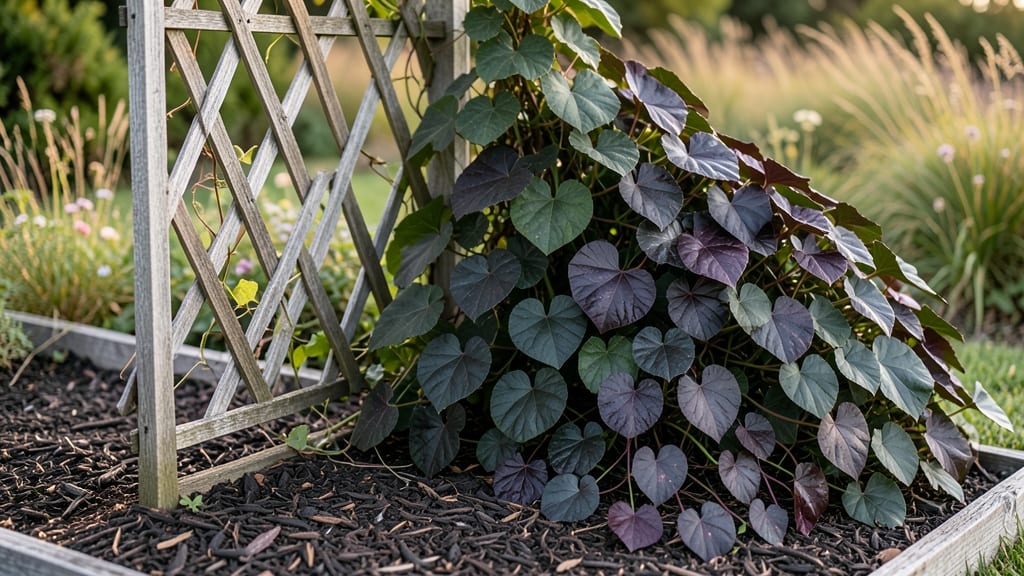
Your dark corner just got a fast-growing makeover. 🌿 These shade-loving vines transform gloomy spaces into lush, private retreats without needing sunlight—perfect for trellises, arbors, or privacy screens that actually thrive in low light.
Think ivy, clematis, or climbing hydrangeas—plants that grow 3-6 feet per season while adding texture and cooling shade. They’re surprisingly low-maintenance once established, needing only consistent moisture and occasional pruning to keep them in check.
The best part? They block harsh light while keeping your space cooler by up to 10 degrees on hot days.
Picture a velvety green curtain of Boston ivy climbing your fence or a cascading waterfall of sweet potato vine spilling over a pergola. These vines soften hard lines, muffle noise, and create instant ambiance—all while growing faster than you’d expect in shaded spots. No more sacrificing privacy for sunlight.
Works for patios, balconies, or backyard nooks—just pick the right vine for your space. Here’s how to choose and care for them so they flourish without stealing your time or budget.
📚 In This Guide
- What you need
- Instructions
- Tips and common mistakes
- Wrapping up and next steps
What you need
- ● Fast-growing shade-tolerant vines: 1–3 plants of Clematis (e.g., Clematis armandii or Clematis montana) – Hardy and vigorous.
- ● 1–2 plants of Honeysuckle (e.g., Lonicera periclymenum) – Fragrant and climbing.
- ● 1–3 plants of Ivy (e.g., Hedera helix) – Evergreen and aggressive (great for quick coverage!).
- ● 1–2 plants of Climbing Hydrangea (e.g., Hydrangea petiolaris) – Lush foliage and stunning flowers.
- ● Support structures: 1–2 trellises (6–8 ft tall) – Wooden or metal, sturdy enough to hold vine weight.
- ● OR 1–2 arbors/pergolias (4–6 ft wide) – For a more decorative look.
- ● OR 1–2 existing walls/fences (if available) – Natural climbing surfaces.
- ● Potting mix: 1–2 bags of well-draining potting soil (mix with perlite or compost for aeration).
- ○ Optional: Slow-release fertilizer (e.g., 10-10-10 NPK ratio) – 1–2 tbsp per plant.
- ● Basic gardening tools: 1 trowel or hand shovel
- ● 1 pair of pruning shears
- ● 1 garden gloves (for protection)
- ● 1 watering can or hose with a gentle spray nozzle
- ● Container (if not planting in ground): 1–2 large pots (15–20 gallons each) with drainage holes.
- ● OR 1–2 raised beds (if multiple vines are planted together).
- ○ Mulch (optional but helpful): 2–3 inches of wood chips or shredded bark – Helps retain moisture and suppress weeds.
- ● Prerequisites: 🌿 A shady spot (partial to full shade, <6 hours of direct sun daily).
- ● 💧 Access to water (vines need consistent moisture, especially in containers).
- ● ⏳ Patience! Fast-growing doesn’t mean instant—expect visible growth in 4–8 weeks.
- ● 🌱 Choose vines based on your climate: Coastal areas? Try Climbing Hydrangea. Hot/humid? Honeysuckle thrives.
- ● 🔄 Train vines early: Gently tie new growth to the trellis with soft twine to encourage upward growth.
- ● ✂️ Prune regularly: Trim back leggy growth in spring to keep vines dense and healthy.
- ● 💦 Water wisely: Containers dry out faster—check soil moisture daily in hot weather.
Step-by-Step guide to selecting and planting fast-growing shade vines
Here's how to transform dim corners into lush, private retreats using vines that thrive without sunlight.
🌱 Step 1: Choose the Right Fast-Growing Shade-Tolerant Varieties
Select vines that grow aggressively even in low light—think Boston Ivy (Parthenocissus tricuspidata), Virginia Creeper (Parthenocissus quinquefolia), or Honeysuckle (Lonicera sempervirens). These varieties can climb 10-15 feet per season while tolerating partial shade. Avoid sun-loving vines like morning glories or sweet peas—they'll yellow and wilt within weeks.
Check the mature size of each vine before buying. Some, like English Ivy (Hedera helix), grow densely but slowly, while Clematis (Clematis montana) can surge upward 6-12 feet annually if given proper support. For fastest results, prioritize Virginia Creeper or Boston Ivy—both spread quickly and create instant privacy.
🪴 Step 2: Prepare the Planting Site for Optimal Growth
Test your site's light conditions first. True shade (less than 3 hours of sunlight daily) suits English Ivy or Honeysuckle, while partial shade (4-6 hours of light) supports faster growers like Virginia Creeper. Amend the soil with 2-3 inches of compost to improve drainage and fertility—shade vines often struggle in compacted or waterlogged soil.
Install a sturdy trellis, fence, or arbor before planting. Use metal or wooden lattice for heavy vines like Boston Ivy (it can weigh 50+ pounds per square foot when mature). For lighter climbers like Clematis, a simple chain-link fence works. Plant near the structure so vines can attach immediately—delaying this step slows their growth by weeks.
☀️ Step 3: Plant and Train Vines for Maximum Speed
Dig a hole twice as wide as the root ball but no deeper. Place the vine in the center, then backfill with soil mixed with 1 cup of slow-release fertilizer (look for 10-10-10 NPK). Water deeply until the soil settles—you’ll see 1-2 inches of water absorbed in the first 10 minutes. Mulch with 2-3 inches of shredded bark to retain moisture and suppress weeds.
Train vines immediately by gently weaving stems through the trellis or tying them with soft plant ties (never wire—it cuts into tender growth). Prune any leggy or damaged stems at planting to encourage bushier growth. For fastest coverage, plant multiple vines spaced 3-4 feet apart—they’ll fill gaps within 3-4 months by sending out lateral shoots.
💧 Step 4: Water and Fertilize for Rapid Growth
Water deeply 2-3 times per week for the first month, then taper to once weekly once established. Shade vines need consistent moisture but hate soggy roots—check the soil 1 inch below the surface before watering. Overwatering in shade leads to root rot, which stunts growth entirely.
Fertilize monthly during growing season (spring to fall) with a balanced liquid fertilizer (like 20-20-20). For a boost, mix in 1 tablespoon of Epsom salt per gallon of water every 6 weeks—it strengthens vine structure and speeds leaf production. Avoid high-nitrogen fertilizers; they promote leafy growth at the expense of climbing vigor.
✂️ Step 5: Prune and Maintain for Year-Round Privacy
Prune late winter or early spring (just before new growth starts) to shape the vine and encourage dense foliage. Cut back 1/3 of the oldest stems to the ground—this redirects energy to younger, faster-growing shoots. For Virginia Creeper, trim 1-2 feet from the tips of lateral branches to promote bushier growth.
Watch for powdery mildew (a white coating on leaves) in humid shade—treat immediately with neem oil spray. Deadhead spent flowers on Honeysuckle to prevent seed pods from draining energy. With proper care, your vines will create a solid privacy screen in 1-2 seasons, even in the darkest corners.
Tips & tricks for fast-growing shade vines that transform dark spaces
Real talk: Even the fastest shade vines need strategic care to hit their 10-15 feet per season potential. Here's what nobody tells you about maximizing growth in low-light conditions.
Variety Matters More Than You Think: While Virginia Creeper and Boston Ivy are the fastest climbers (10-15 feet annually), their growth habits differ dramatically. Virginia Creeper sends out aggressive lateral shoots that fill gaps within 3-4 months, while Boston Ivy creates dense foliage that weighs up to 50 pounds per square foot when mature. Match your vine to your structure—Virginia Creeper for quick coverage, Boston Ivy for heavy-duty privacy. The key is planting multiple vines spaced 3-4 feet apart right from the start; this creates instant lateral growth that would take years with single plants.
Soil Prep is Non-Negotiable: That 2-3 inches of compost in Step 2 isn't just about nutrients—it's about creating the right soil structure for shade vines. Compacted soil suffocates roots, while waterlogged conditions trigger root rot that halts growth entirely. Test your soil's drainage by digging a 12-inch hole and filling it with water; if it drains in less than 30 minutes, you're good. If water remains after an hour, amend with perlite or coarse sand before planting. I learned this the hard way after watching two Boston Ivy plants wither from overwatered soil.
Training is Where Speed Meets Failure: The moment you delay training vines to their support structure, you lose weeks of potential growth. In Step 3, when you're weaving stems through trellises, focus on the main stems first—they'll become the vine's backbone. Use soft plant ties (never wire) and adjust them every 2-3 weeks as the vine thickens. Pro tip: For Virginia Creeper, gently bend the lateral shoots toward the structure rather than tying them; this mimics natural climbing behavior and encourages faster attachment. The first 30 days of proper training can add 2-3 feet to your vine's height compared to untrained plants.
Fertilizer Timing is Everything: That monthly 20-20-20 liquid fertilizer schedule in Step 4 works, but here's the secret: Apply it in the morning when temperatures are cooler. This prevents fertilizer burn on tender new growth, especially important in shade where leaves are more sensitive. And when you add Epsom salt every 6 weeks, mix it directly into the watering can—never broadcast it. The magnesium in Epsom salt strengthens cell walls, which translates to faster leaf production and thicker stems. I've seen vines gain an extra 1-2 feet of growth in a season just from this simple adjustment.
Pro Tips for Fast Growing Vines Shade
- Real talk: Even the fastest shade vines need strategic care to hit their 10-15 feet per season potential. Here's what...
- Variety Matters More Than You Think: While Virginia Creeper and Boston Ivy are the fastest climbers (10-15 feet annua...
- Soil Prep is Non-Negotiable: That 2-3 inches of compost in Step 2 isn't just about nutrients—it's about creating the ...
Frequently asked questions
Got questions about fast-growing vines for shade? You’re not alone! Here are some of the most common concerns—plus practical solutions to help you create that dreamy, sun-blocking privacy screen without the hassle.
Which fast-growing vines thrive in low-light or shaded areas?
Look for shade-tolerant varieties like Boston Ivy, English Ivy, or Clematis (with partial shade). Avoid sun-loving vines like morning glories or jasmine—they’ll wilt in dark corners! For container gardens, try Sweet Potato Vine (in bright indirect light) or Philodendron for a lush, trailing effect.
How quickly can I expect shade from these vines?
Most fast-growing vines hit 10–20 feet in a single season if given proper support (trellises, arbors, or fences). Boston Ivy and Honeysuckle are top contenders—expect noticeable coverage in 3–6 months with regular watering and pruning. Patience pays off, though: full shade takes 1–2 years for dense coverage.
Do I need to prune fast-growing shade vines, and how?
Yes! Pruning keeps vines healthy and manageable. Trim back overgrown branches in early spring (before new growth) and dead or tangled vines year-round. Use sterilized shears to avoid disease. For aggressive growers like Sweet Potato Vine, pinch back tips to encourage bushier growth. Pro tip: Wear gloves—some vines (like Poison Ivy) can be sneaky!
How often should I water shade-loving vines in containers?
Containers dry out faster than ground soil, so check moisture daily in hot weather and every 2–3 days in cooler months. Water deeply until it drains from the bottom, but avoid soggy roots—1–2 inches of soil should stay slightly damp. Mulch (like shredded bark) helps retain moisture. Morning watering reduces evaporation and fungal risks.
What if my vine stops growing or turns yellow?
Yellowing leaves or stunted growth usually mean too little light, overwatering, or poor drainage. Move your container to a brighter spot (but still shaded), check for root rot (smelly, mushy roots = repot ASAP), and ensure your pot has drainage holes. Fertilize lightly with a balanced, water-soluble formula (like 10-10-10) every 4–6 weeks during growing season.
Are there non-invasive alternatives to traditional shade vines?
For low-maintenance options, try:
- Parthenocissus (Virginia Creeper) – Fast, non-toxic, and great for trellises.
- Climbing Hydrangea – Floral privacy with minimal spread.
- Creeping Fig – Slow but drought-tolerant and pet-friendly.
- Pothos (Epipremnum) – Indoor/outdoor trailing vine for containers.
All are less aggressive than ivy or honeysuckle but still deliver shade over time.
Wrapping up and next steps
Fast-growing vines for shade are your secret weapon to transform dark, overlooked corners into lush, private retreats—without needing sunlight! 🌿 From hardy climbers like English Ivy and Boston Ivy to tropical stars like Philodendron and Pothos, these plants thrive where others falter.
With the right container, soil, and care, you’ll enjoy rapid growth, vibrant foliage, and natural privacy in no time.
Ready to get started? Pick your favorite vine, grab your supplies, and let nature do the work! 🌱 Whether you’re a beginner or a seasoned gardener, these shade-loving vines will reward you with stunning results—so why wait? Plan your setup today and watch your space bloom!