
Size
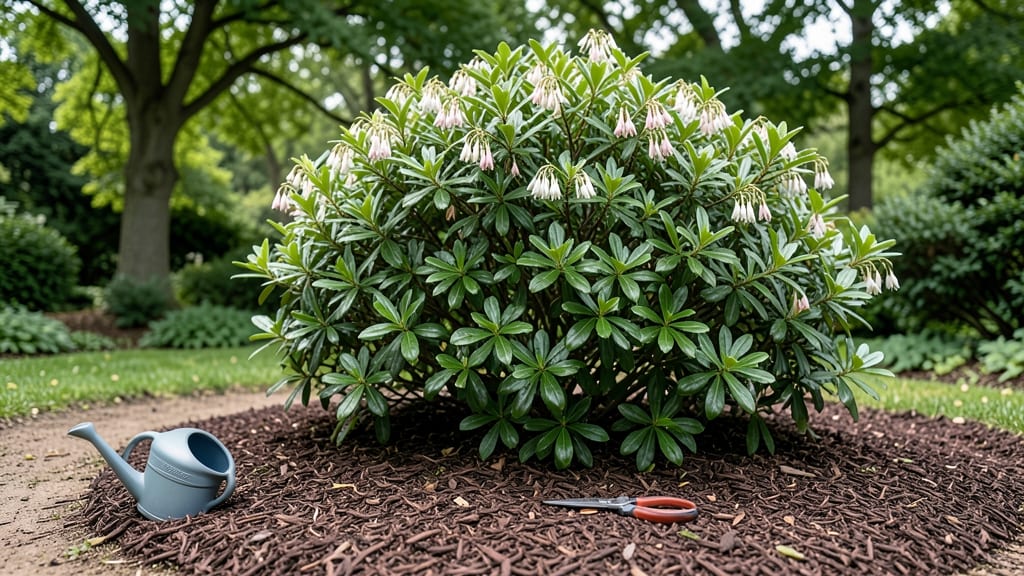
The evergreen hedges that grow in shade I’ve tested—boxwoods, hollies, and pieris—turn my yard’s darkest corners into thriving privacy screens. The key isn’t just picking the right species, but understanding how they grow and what they need to stay dense and healthy year-round.
Boxwoods like ‘Green Mountain’ handle full shade beautifully, growing slowly into neat, glossy walls. Holly varieties such as ‘Sky Pencil’ stay narrow yet dense, perfect for tight spaces. Pieris japonica, with its delicate flowers, tolerates shade but needs slightly more light to maintain its signature color.
Spacing matters: plant boxwoods 3-4 feet apart for a tight hedge, while hollies can stretch to 5-6 feet apart for a looser look.
By late spring, you’ll see vibrant green walls that block nosy neighbors and harsh winds. These hedges stay evergreen, so your privacy never fades—even in winter. The best part? They need minimal pruning once established, just a light trim to keep them shaped.
Pair them with shade-loving perennials like ferns or hellebores for a layered, textured garden that feels alive year-round.
Works for urban backyards, woodland edges, or any spot with 2-4 hours of dappled light. Here’s how to choose, plant, and maintain them for maximum impact.
Why Shade Struggles Happen
Even the hardiest evergreen hedges can throw in the towel when planted in deep shade—here’s why, broken down by the real culprits behind their woes.
Evergreens rely on chlorophyll to convert sunlight into energy, but in deep shade, their leaves get less than 10% of full sun—a critical threshold for survival.
Without adequate light: - Stunted growth occurs because the plant can’t produce enough glucose (its food). - Weak stems develop, making hedges prone to bending or breaking under wind or snow. - Yellowing or purplish leaves appear (a sign of chlorosis), as the plant struggles to synthesize chlorophyll.
Actionable fix: If your hedge is already planted, prune strategically to encourage new growth toward light sources (e.g., trim the shaded side less aggressively).
Shady spots often mean compacted, moisture-retentive soil—a double-edged sword.
While evergreens love consistent moisture, poor drainage leads to: - Root rot (from oxygen-starved roots) 🧠 Fun fact: Evergreens need well-aerated soil to breathe! - Fungal infections (like Phytophthora), thriving in soggy conditions. - Nutrient lockout—waterlogged soil binds essential minerals (e.g., nitrogen, phosphorus), starving the plant.
Actionable fix:
- Amend soil with organic matter (compost, pine bark fines) to improve drainage.
- Mulch heavily (3–4 inches of shredded bark) to prevent soil compaction and retain moisture without suffocating roots.
Shady areas often act like microclimates, trapping cold air or humidity.
Evergreens, especially broadleaf types (e.g., Holly, Boxwood), suffer from: - Winter desiccation (dry air + frozen roots = leaf scorch). - Heat stress in summer (shade traps warmth, mimicking a greenhouse effect). - Pest magnet—slugs, scale, and spider mites love the damp, sheltered conditions.
Actionable fix:
- Choose cold-hardy species (e.g., Inkberry Holly, Dwarf Plum Yew) for your zone.
- Avoid overhead watering at dusk to reduce fungal risks.
Shade plants aren’t alone—they’re in a silent battle with:
- Grass and weeds stealing water/nutrients.
- Tree roots siphoning moisture and minerals.
- Fungal networks (mycorrhizae) that may favor competitors over your hedge.
Actionable fix:
- Install root barriers if nearby trees are aggressive.
- Use pre-emergent herbicide (like corn gluten meal) to suppress weeds without chemicals.
Shady soils often lack sunlight-driven microbial activity, leading to:
- Low pH (too acidic for many evergreens, which prefer 5.0–6.5).
- Deficient nutrients (especially iron and manganese, crucial for chlorophyll).
- Toxic buildup of aluminum or boron in acidic soils.
Actionable fix:
- Test soil (DIY kits or lab analysis) and amend with lime (to raise pH) or chelated iron (to boost greenness).
Pro Tip: 💡 Not all shade is equal! Dappled shade (filtering sun) is far kinder than dense shade (blocked sun). If possible, plant hedges on the north or east side of structures for gradual light exposure.
Revive Your Shady Hedges Now
Struggling with evergreen hedges that refuse to thrive in shadowy spots? Don’t despair—these solutions will help you transform your dimly lit garden into a lush, private retreat. Below, we’ve mapped common issues to practical fixes, along with prevention tips to keep your hedges healthy long-term.
Problem: Poor drainage, compacted soil, or nutrient deficiency stunts root development. Solution:
- 🔥 Test your soil (use a DIY kit or send a sample to a local extension office).
- 🍳 Amend with organic matter—mix in compost, peat moss, or well-rotted manure to improve texture and fertility.
- 👨🍳 For acid-loving hedges (like boxwood or rhododendron), add sulfur or pine needles to lower pH.
- ⏰ Reapply every 6–12 months for sustained growth.
💡 Pro Tip: If your soil is clay-heavy, blend in perlite or coarse sand to prevent waterlogging.
Problem: Even shade-tolerant hedges need some indirect light to photosynthesize. Solution:
- 🌡️ Prune overhanging trees (but avoid heavy trimming in late summer/fall—it stresses plants).
- 🎯 Use reflective surfaces—place mirrors, white gravel, or light-colored mulch near hedges to bounce light.
- ✨ Consider dappled light spots—move potted hedges temporarily to sunnier areas during winter.
💡 Pro Tip: If your hedge is severely leggy, it’s starving for light—relocate or supplement with grow lights (LED bulbs work best).
Problem: Overwatering or underwatering—both kill shade-loving plants. Solution:
- 🔥 Water deeply but infrequently—aim for 1–1.5 inches per week (less in winter).
- 👨🍳 Use mulch (3–4 inches of wood chips or straw) to retain moisture and regulate soil temp.
- ⏰ Water in the morning to reduce fungal risks (shady areas stay damp longer).
- 🌡️ Check soil moisture—stick your finger 2 inches deep; if dry, water.
💡 Pro Tip: Drip irrigation is ideal for hedges—it delivers water directly to roots without wetting foliage (which promotes disease).
Problem: Dark, humid shade = fungal paradise (powdery mildew, root rot). Solution:
- 🔥 Improve airflow—space hedges 3–5 feet apart and prune for an open center.
- 🍳 Apply fungicide (neem oil or copper-based sprays) at the first sign of white powder or yellow spots.
- ✨ Water at the base—avoid overhead sprinkling.
- 🎯 Remove infected leaves immediately and sterilize pruners with rubbing alcohol.
💡 Pro Tip: Baking soda spray (1 tsp baking soda + 1 quart water + a drop of soap) can prevent mildew naturally.
✅ Choose the right hedge—stick to native or shade-adapted species (e.g., Holly, Yew, or Inkberry). ✅ Monitor soil pH—most evergreens prefer acidic to neutral (5.0–7.0). ✅ Prune strategically—shape in early spring (before new growth) to avoid stress. ✅ Fertilize lightly—use a slow-release, balanced fertilizer (10-10-10) in early spring and fall. ✅ Watch for pests—aphids and spider mites love shade; blast them off with soapy water if spotted.
Final Thought: With these fixes, your once-struggling hedge will thrive in the shade—no more sparse branches or yellowing leaves! Start with soil and light adjustments, then keep an eye on moisture and pests.
Before you know it, you’ll have a privacy wall that’s as resilient as it is beautiful. 🌿✨
Frequently asked questions
What's the fastest-growing evergreen hedge for shade?
For quick results, choose Emerald Green Arborvitae or Sky Pencil Holly. These grow 12-24 inches per year while handling shade well. They're ideal for creating privacy screens faster than slower-growing options like boxwoods (6-12 inches/year).
Can I plant evergreen hedges under large trees?
Yes, but choose root-competitive species like Inkberry Holly or Dwarf Plum Yew. These tolerate root competition better than delicate varieties. Space them 5-6 feet from tree trunks and monitor for signs of stress (yellowing leaves).
How often should I prune shade-tolerant hedges?
Light maintenance is key: once a year in early spring for shaping. Avoid heavy pruning in late summer/fall as it stresses shade plants. Use sharp shears and remove no more than 1/3 of growth per year to maintain density.
Will these hedges stay green in winter?
Yes, that's their defining feature! Evergreens like Boxwood and Holly retain foliage year-round. However, in extreme cold (below 0°F), some varieties may develop winter burn (brown leaf tips). Mulch heavily (3-4 inches) to protect roots and prevent this.
Can I mix different evergreen species in one hedge?
Mixing Boxwood (dense) with Pieris Japonica (flowering) creates visual interest. Just ensure they share similar light and soil needs. Start with 3-4 feet spacing between different species to allow for growth variation.