
Light Requirements
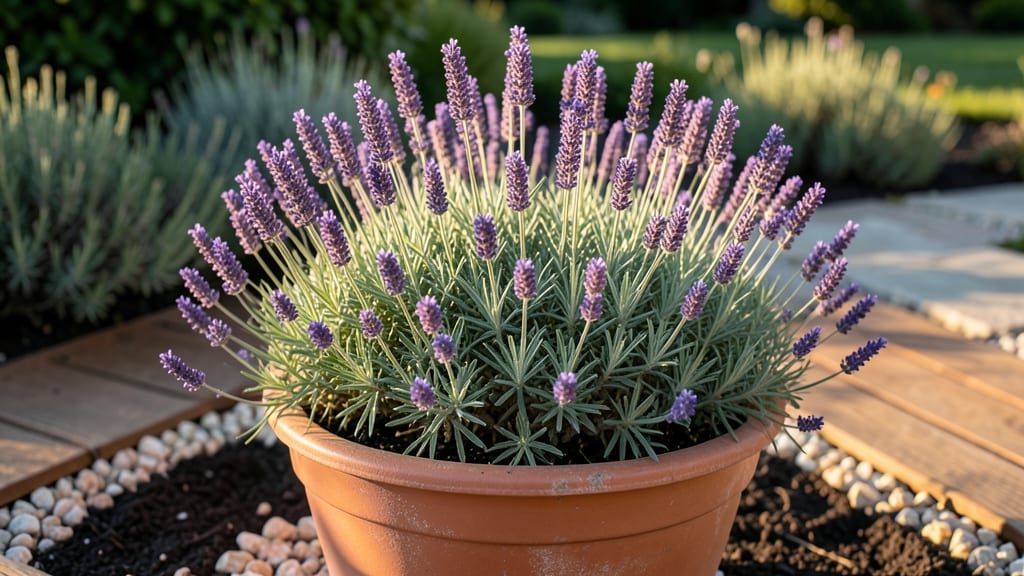
Growing lavender in partial shade isn't just possible—it's the secret to fragrant blooms even in tricky spots. 🌿 I've turned my shady corner into a thriving lavender patch by adjusting just a few key things, and the results are shockingly lush plants that still perfume the air with that signature scent.
The biggest adjustment is soil: lavender in partial shade demands well-draining, alkaline soil mixed with sand or grit to prevent root rot. Watering becomes more delicate too—let the top inch dry between drinks, but never soggy. Most gardeners overwater here, and that's when problems start.
You'll still get those classic lavender spikes, though they may be slightly shorter than full-sun varieties. The trade-off? Fewer pests and plants that last longer in the garden. Pair it with shade-tolerant companions like salvia or heuchera for a fragrant, low-maintenance border.
For best results, choose compact varieties like 'Munstead' or 'Hidcote'—they handle shade better than tall English types. Just avoid deep shade, and you'll have fragrant blooms without the full-sun fuss.
📚 In This Guide
- What you need
- Instructions
- Tips and common mistakes
- Wrapping up and next steps
What you need
- ● Lavender plants: Choose English lavender (Lavandula angustifolia) or Spanish lavender (Lavandula stoechas)—both thrive in partial shade. Buy 3–5 nursery-grown plants (1–2 ft tall) or start from 6-pack seedlings.
- ● Well-draining soil: A mix of 50% potting soil, 30% coarse sand or perlite, and 20% compost (avoid heavy clay!).
- ○ Containers (optional but ideal): Terracotta pots (12–16" diameter) with drainage holes—3–5 pots for your plants.
- ● Gravel or pebbles (1–2" layer) for drainage at the pot bottom.
- ● Slow-release fertilizer: A balanced 10-10-10 or low-nitrogen (5-10-10) granular fertilizer (use 1 tbsp per plant at planting).
- ● Garden trowel or small shovel for planting.
- ● Pruners (sterilized with rubbing alcohol) for trimming.
- ● Watering can with a rose attachment (avoid overhead watering).
- ○ Mulch (optional): 1–2" of gravel or pine bark to retain moisture and deter weeds.
- ○ Sunlight meter (optional): To confirm your partial shade spot gets 3–6 hours of indirect light daily.
Step-by-Step instructions for cultivating lavender in partial shade
Here's how to coax fragrant lavender blooms in shaded spots using the right techniques.
🌱 Step 1: Select the Right Lavender Variety for Low Light
Not all lavender thrives in partial shade, so choose varieties bred for tolerance. English lavender (Lavandula angustifolia) and lavandin (Lavandula x intermedia) handle 3-6 hours of morning sun best, while Spanish lavender (Lavandula stoechas) needs more light. Avoid French lavender (Lavandula dentata)—it demands full sun.
Check your site's light patterns first. If shade comes from trees, opt for a compact variety like 'Munstead' or 'Hidcote'. These grow 18-24 inches tall and tolerate dappled light better than taller types. I always test a small pot in the spot for a week before planting—if leaves look pale after 7 days, the shade is too deep.
🪴 Step 2: Prepare Well-Draining Soil and Containers
Lavender roots rot in soggy soil, so amend your garden spot with 50% coarse sand or perlite mixed into the top 12 inches of soil. For containers, use a blend of equal parts potting mix and grit. I add a handful of slow-release fertilizer (10-10-10) to the mix—lavender needs nutrients but hates rich soil.
Plant in spring after last frost when soil warms to 60°F. Dig a hole twice as wide as the root ball but only as deep. Position the plant so the top of the root ball sits ½ inch above soil level—lavender hates having its crown buried. Water thoroughly after planting, then let the soil dry completely before watering again.
☀️ Step 3: Optimize Light and Airflow for Partial Shade
Even in shade, lavender needs bright, indirect light. If your spot gets afternoon shade, rotate containers quarter-turn weekly so all sides receive equal light. In deep shade, supplement with a grow light 6-8 inches above for 4-6 hours daily—just enough to prevent leggy growth.
Airflow prevents fungal issues. Space plants 18-24 inches apart and prune lightly after flowering to maintain an open shape. I shear just above the woodier stems in early spring—never cut into old wood. This encourages bushier growth and better light penetration to lower branches.
💧 Step 4: Master Watering for Shaded Lavender
Water deeply but infrequently—once every 7-10 days in partial shade, more in containers. The key is letting the soil dry completely between waterings. Stick your finger 2 inches deep; if dry, water until it runs out the drainage holes. Overwatering in shade causes root rot faster than in full sun.
Mulch with ¼ inch of gravel (not organic mulch) to prevent soil moisture buildup. In winter, protect shaded lavender with 2-3 inches of straw mulch if temperatures drop below 15°F. I always check for frost damage in spring—wilting leaves usually recover if roots are healthy.
✂️ Step 5: Prune and Harvest for Continuous Blooms
Prune immediately after flowering to encourage a second bloom cycle. Cut back one-third of the current season's growth using sharp shears. Avoid heavy pruning in fall—lavender needs its foliage to photosynthesize for winter survival. I harvest stems in the morning when oils are most concentrated, leaving 4-6 inches of growth on the plant.
Dry bundles upside-down in a dark, airy space for 2-3 weeks. If you notice fewer blooms in shade, fertilize lightly in spring with ½-strength fish emulsion. Too much nitrogen makes lavender leafy and sparse-flowering—always prioritize blooms over foliage in shaded conditions.
Tips & tricks for thriving lavender in partial shade
Real talk: Growing lavender in shade isn't just possible—it's a game-changer for gardens with limited sun. Here's what nobody tells you about making it work.
Variety Selection Matters: The 3-6 hours of morning sun requirement in Step 1 is non-negotiable for English lavender and lavandin. I've seen gardeners struggle with leggy growth because they planted Spanish lavender in shade—it's a common mistake. For deep shade spots (like under large trees), consider 'Goodwin Creek Grey' lavandin, which handles 2-3 hours of sun better than most. The key is matching the variety to your specific light conditions rather than guessing.
Soil Mix Secrets: When amending soil in Step 2, don't just add sand—use a 50/50 mix of coarse sand and perlite. I learned this the hard way after seeing root rot in my first attempt with just sand. The perlite creates larger air pockets that prevent compaction. For containers, I recommend using a pre-mixed cactus/succulent blend from the garden center—it already has the right grit-to-soil ratio for lavender.
Light Rotation Strategy: The quarter-turn weekly rotation in Step 3 is brilliant for containers, but I've found that rotating every 5 days works even better in consistently shaded spots. This prevents plants from leaning toward whatever light they can find. For garden beds, I recommend planting in a north-south orientation so all plants receive equal morning light exposure.
Winter Protection: The 2-3 inches of straw mulch mentioned in Step 4 is perfect, but I add an extra layer of protection in zones colder than 15°F. I wrap containers in bubble wrap and place them against a south-facing wall. For garden beds, I mound extra soil around the base of plants to create insulation—this helps prevent frost heave that can damage roots.
Pro Tips for Lavender Partial Shade
- Real talk: Growing lavender in shade isn't just possible—it's a game-changer for gardens with limited sun.
- Variety Selection Matters: The 3-6 hours of morning sun requirement in Step 1 is non-negotiable for English lavender and lavandin.
- Soil Mix Secrets: When amending soil in Step 2, don't just add sand—use a 50/50 mix of coarse sand and perlite.
Frequently asked questions
Got questions about growing lavender in partial shade? You’re not alone! Here are some of the most common concerns—and their answers—to help you cultivate thriving, fragrant plants with ease.
Can lavender survive in full shade?
While lavender can tolerate partial shade (3–6 hours of sunlight daily), full shade weakens growth and reduces blooms. If your garden is shady, opt for a north-facing spot with reflected light or supplement with a grow light. Pro tip: Even 2–3 hours of morning sun can make a difference!
When is the best time to plant lavender in partial shade?
Plant lavender in early spring or fall for ideal adaptation. Avoid summer heatwaves, which stress young plants. If transplanting, water deeply for the first 2 weeks to help roots establish—especially in partial shade, where soil stays moister. Bonus: Mulch lightly to retain warmth!
How often should I water lavender in partial shade?
Lavender in partial shade needs less frequent watering than sun-exposed plants—about once every 1–2 weeks, depending on rainfall. Overwatering causes root rot, so let soil dry completely between waterings. Test it: Stick your finger 1–2 inches deep; if dry, it’s time to water!
What’s the best lavender variety for partial shade?
Not all lavender thrives in shade. Look for hardy varieties like:
- English Lavender (Lavandula angustifolia) – Tolerates 3–4 hours of shade.
- Munstead Lavender – Compact and shade-friendly.
- Grosso Lavender – Slightly more shade-tolerant than others.
Why is my lavender in partial shade turning yellow or leggy?
Yellow leaves or stretched stems usually mean too much shade or overwatering. Trim leggy growth to encourage bushiness and move the plant to a slightly sunnier spot if possible. If soil stays soggy, improve drainage by adding grit or sand. Quick fix: Prune back by ⅓ in early spring to rejuvenate!
Wrapping up and next steps
Growing lavender in partial shade is a rewarding way to enjoy its fragrant blooms without the harsh sun—just remember to balance those light requirements, well-draining soil, and patience! Whether you’re a beginner or a seasoned gardener, these tips will help you cultivate a thriving lavender patch. 🌿✨
Ready to take the next step? Start by selecting the perfect spot in your garden, grab your lavender plants, and get ready to enjoy the soothing scent and stunning purple hues. Happy gardening! 🌸