
Shrubs
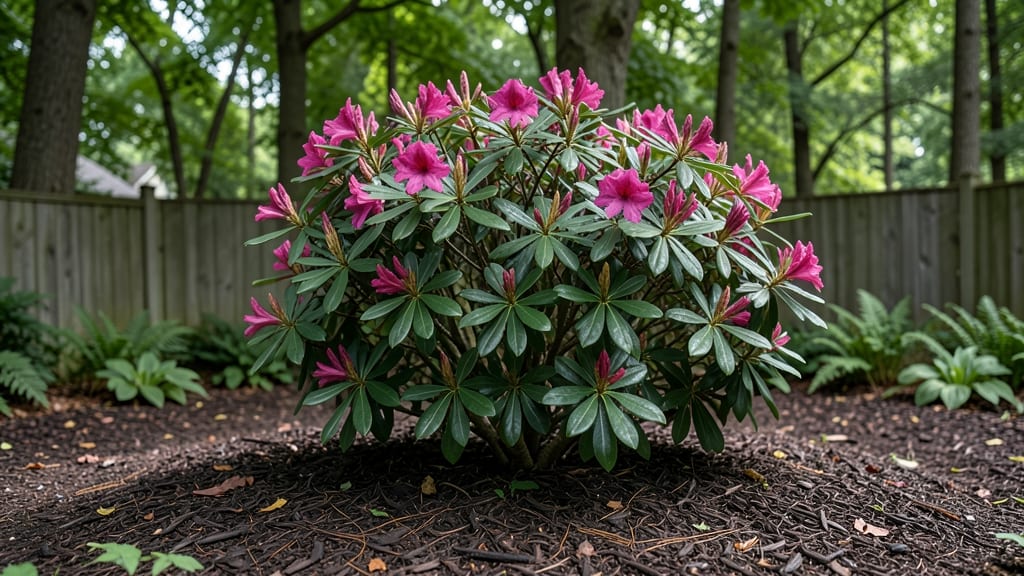
My Encore azaleas in shade have bloomed every month since I planted them—proof that vibrant color isn’t just for sunny spots. 🌿 These shade-loving shrubs thrive where others struggle, their flowers dancing from spring through fall with minimal fuss.
The secret isn’t complicated: it’s about matching their natural preferences to your garden’s conditions.
Start with well-draining, acidic soil (pH 4.5-6.0) and a spot that gets 2-6 hours of dappled sunlight—think tree-filtered light or morning sun with afternoon shade.
Water deeply once a week (more in summer heat), keeping the roots consistently moist but never soggy. Mulch helps retain moisture and mimics their forest-floor habitat.
Pruning is simple: trim spent blooms in early summer to encourage new growth, and shape lightly in late winter. You’ll see bold, repeat blooms all season long—deep pinks, purples, and whites that outshine sun-loving azaleas. The foliage stays glossy green, even in deep shade, making them the ultimate low-maintenance star.
Pair them with hostas, ferns, or caladiums for a lush understory, or let them shine solo as a year-round focal point. The only challenge? Resisting the urge to overwater—these plants reward patience with months of effortless color that most shrubs can’t match.
📚 In This Guide
- What you need
- Instructions
- Tips and common mistakes
- Wrapping up and next steps
What you need
- ● Encore Azalea Plants: 3–5 bare-root or container-grown plants (choose varieties like Encore® 'Pink Cheeks' or Encore® 'Autumn Embers' for shade tolerance).
- ● Well-Draining Soil: 50% native soil
- ● 30% peat moss or coconut coir
- ● 20% perlite or coarse sand
- ● Organic Mulch: 2–3 inches of pine bark fines, shredded leaves, or wood chips (keep mulch 3 inches away from plant stems).
- ● Slow-Release Fertilizer: 10-10-10 or azalea-specific fertilizer (apply once in early spring).
- ● Watering Can or Hose: With a gentle spray nozzle for hydration.
- ● Soil pH Test Kit: Ensure soil pH is between 4.5–6.0 (azaleas love acidic soil!).
- ● Epsom Salt: 1 tbsp per plant (annual application for magnesium boost).
- ● Drip Irrigation System: For consistent moisture in dry spells.
- ● Pruning Shears: For shaping or removing dead blooms.
How to plant and maintain Encore azaleas in shade
These shade-loving beauties deliver stunning blooms year-round with minimal fuss. Here's how to set them up for success.
🌱 Step 1: Choose the Perfect Planting Location
Encore azaleas thrive in partial shade, meaning 3-6 hours of morning sun followed by afternoon shade protection. The ideal spot receives dappled sunlight filtering through trees or a north-facing garden bed. Avoid deep shade—this leads to sparse blooming and leggy growth.
Test your site by observing how sunlight moves across the area throughout the day. Look for consistent moisture retention in the soil, as these plants dislike drying out. If your yard has dry, sandy soil, amend it with 2-3 inches of organic compost before planting to improve water retention.
🪴 Step 2: Prepare the Soil and Plant Correctly
Dig a hole twice as wide as the root ball but only as deep as the container's base. Encore azaleas prefer acidic soil with a pH between 4.5 and 6.0. If your soil tests higher, mix in 2-3 inches of peat moss or pine bark fines into the planting hole to lower the pH naturally.
Gently remove the plant from its container and loosen any circling roots with your fingers. Position it so the top of the root ball sits 1 inch below the soil line—this prevents stem rot while encouraging strong root growth. Backfill with the amended soil, pressing lightly to eliminate air pockets.
💧 Step 3: Water Deeply and Mulch for Moisture Retention
Water immediately after planting to settle the soil and eliminate air pockets. Give the plant 1 gallon of water per week during the first growing season, adjusting for rainfall. You'll know it's well-watered when the top 2 inches of soil feel damp but not soggy.
Apply a 3-inch layer of pine bark mulch around the base, keeping it 6 inches away from the trunk. This mimics the forest floor conditions Encore azaleas love while suppressing weeds. Mulch also helps maintain even soil moisture and cool root temperatures—critical for shade-grown plants.
☀️ Step 4: Fertilize and Prune for Continuous Blooms
Feed Encore azaleas with an acid-loving plant fertilizer (look for one with high nitrogen in early spring and balanced NPK in fall). Apply it twice a year: once in early spring before new growth appears and again in late fall after blooming. Avoid high-phosphorus fertilizers—they promote leafy growth at the expense of flowers.
Prune immediately after each flowering cycle to encourage year-round blooms. Remove spent flowers by cutting back to the first set of healthy leaves below the bloom. Thin out 10-15% of the oldest stems annually to improve air circulation and prevent disease. Never prune into old wood—Encore azaleas bloom on new growth.
⏰ Step 5: Monitor for Pests and Seasonal Care
Check leaves regularly for lace bugs, spider mites, or azalea gall midges—common pests in shaded conditions. Treat early infestations with neem oil or insecticidal soap, applying in the early morning when bees aren't active. For gall midges, prune affected stems immediately and dispose of them in sealed bags.
In winter, protect young plants from freezing winds by wrapping them in burlap or placing a lightweight frost blanket over the base. Mature Encore azaleas handle cold well, but their roots appreciate extra insulation in Zone 6 and colder. Water sparingly during dormancy—just enough to keep the soil from drying out completely.
Tips & tricks for perfect Encore azalea care in shade
These simple strategies will help you nurture Encore azaleas that thrive in partial shade and deliver vibrant blooms all year.
Location is Everything: When evaluating morning sun exposure in Step 1, use a simple test: place a white plate where you plan to plant. If it's shaded by 10 AM, you're likely in the ideal 3-6 hour morning sun window. Avoid spots where afternoon sun hits—this can cause leaf scorch even in shade-tolerant varieties. I've found that north-facing beds with dappled light from overhead trees create the perfect microclimate for Encore azaleas.
Soil Science Matters: In Step 2, don't just amend the planting hole—test your entire garden bed's pH before planting. Encore azaleas need that 4.5-6.0 range consistently. I recommend using a soil test kit from your local garden center. If your soil tests higher, mix in 2-3 inches of peat moss or pine bark fines throughout the planting area, not just the hole. This creates an acid-loving environment that mimics their natural forest floor habitat.
Watering Wisdom: The 1 gallon per week guideline in Step 3 works for established plants, but newly planted Encore azaleas need more frequent attention. Water immediately after planting, then again every 2-3 days until you see new growth. Check soil moisture by pushing your finger 2 inches deep—if it's dry, water again. Mulching with pine bark helps maintain this moisture balance, but remember to keep that 3-inch layer 6 inches away from the trunk to prevent rot.
Pruning Precision: When pruning in Step 4, use clean, sharp pruners and make cuts at a 45-degree angle just above a leaf node. This encourages new growth where you want it. I've learned the hard way that pruning too late in the season can stimulate tender new growth that won't harden off before winter. Always prune immediately after flowering to maintain that year-round bloom cycle.
Pro Tips for Encore Azaleas For Shade
- These simple strategies will help you nurture Encore azaleas that thrive in partial shade and deliver vibrant blooms ...
- Location is Everything: When evaluating morning sun exposure in Step 1, use a simple test: place a white plate where ...
- Soil Science Matters: In Step 2, don't just amend the planting hole—test your entire garden bed's pH before planting....
Frequently asked questions
Can Encore azaleas survive in full shade?
Encore azaleas are partial sun thrivers and can handle 3–6 hours of morning sun or dappled shade all day. However, they may produce fewer blooms in deep, dark shade (like under dense trees). Aim for at least 3 hours of indirect light for best results.
How long does it take for Encore azaleas to bloom after planting?
With proper care, Encore azaleas often bloom within the first year, especially if planted in spring. Established plants (2+ years old) may reward you with year-round color, starting in late winter and continuing through fall. Patience pays off!
What’s the best alternative if my shade is too dark for Encore azaleas?
If your spot is too shady, try these low-light-loving shrubs:
- Dwarf Fothergilla – Fragrant spring blooms & fiery fall foliage
- Pieris japonica – Evergreen with pink spring flowers
- Oakleaf Hydrangea – Thrives in shade with seasonal color shifts
- Boxwood – Classic evergreen for structured hedges
Why are my Encore azaleas leaves turning yellow?
Yellow leaves often signal overwatering, poor drainage, or nutrient deficiency. Check these fixes:
- Water deeply but less often—azaleas hate soggy roots.
- Amend soil with peat moss or compost for acidity.
- Fertilize in spring with an azalea-specific formula (high in iron).
Pro tip: If yellowing is only on new growth, it may be over-fertilization—scale back!
Do Encore azaleas need winter protection?
These hardy shrubs (Zones 6–9) usually don’t need winter wraps, but young plants or extreme cold snaps may benefit from:
- A thick layer of mulch (3–4 inches) around the base.
- Burlap wraps in harsh winters (below 10°F).
Most Encore varieties rebound beautifully after winter—just avoid pruning until late spring!
Wrapping up and next steps
Encore azaleas are the perfect shade-loving superstars for adding year-round color to your garden—even in partial sun! 🌸 With their low-maintenance charm and stunning blooms, they’re ideal for busy gardeners who crave beauty without the fuss.
Whether you’re a beginner or a seasoned gardener, these shrubs bring joy with minimal effort.
Ready to transform your shady spots? Pick your favorite Encore variety, grab your gloves, and plant with confidence! Start small—even a single shrub can make a bold statement. Happy gardening! 🌿