
Trees
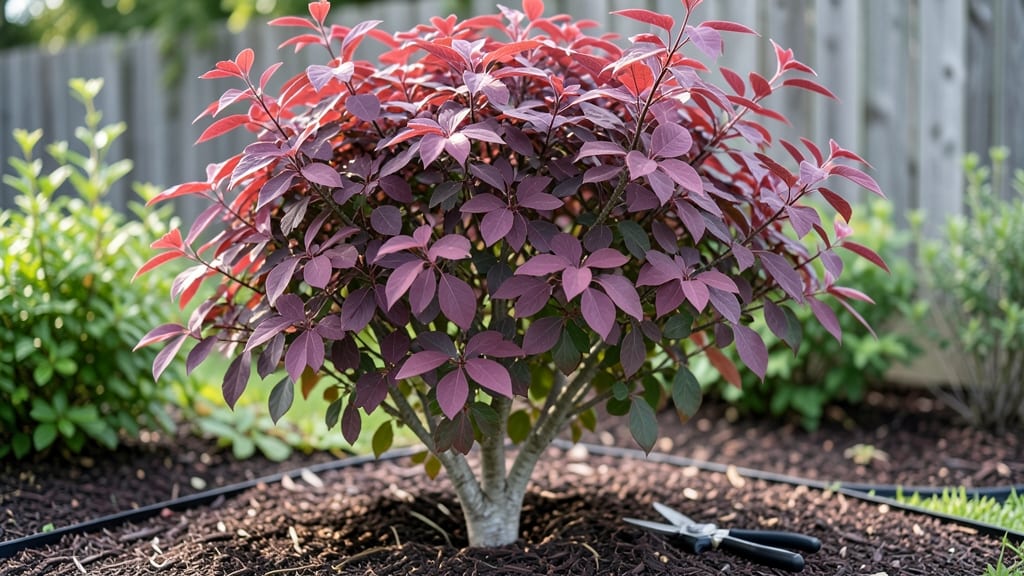
Transforming dark corners into sun-dappled retreats starts with the right dwarf shade trees. 🌿 These compact canopies bring structure, texture, and year-round interest to tight spaces without overwhelming small yards or crowded patios.
The key lies in matching species to your light conditions—Japanese maples thrive in partial shade, while serviceberries tolerate deeper shadows with grace. Consider placement carefully: understory plantings near evergreens create layered drama, while patio varieties like the 'Royal Rainbow' birch add vertical interest without sprawling roots.
Pair with low-growing perennials like hostas or ferns to soften the base, and use mulch to define the tree’s footprint while suppressing weeds. The result? A polished, intentional look that feels designed—not crowded. Your design choices will determine the long-term character of the space.
A Japanese maple’s delicate lace bark becomes a winter focal point, while a serviceberry’s spring blossoms and summer berries attract pollinators year-round. Maintenance is minimal once established—just occasional pruning to shape growth and monitor for pests.
For maximum curb appeal, group trees in odd-numbered clusters (three or five) to create natural focal points. Add hardscaping like stepping stones or a curved path to guide visitors through the shaded area. The payoff? A backyard that feels expansive, even in limited space.
📚 In This Guide
- What you need
- Instructions
- Tips and common mistakes
- Wrapping up and next steps
What you need
- ● Dwarf shade tree saplings: 3–5 plants (e.g., Amelanchier, Cotoneaster, or Japanese maple—choose based on your zone and light needs).
- ● Size: 1–3 gallons (younger trees for faster establishment).
- ● Planting hole tools: 1 garden trowel or spade (for small holes).
- ● 1 shovel (for larger or multiple trees).
- ○ Soil amendments (optional but helpful): 5–10 lbs compost or well-rotted manure (per tree).
- ● 1 lb slow-release fertilizer (e.g., 10-10-10 or organic options like fish emulsion).
- ● Mulch: 2–3 inches of wood chips, pine straw, or shredded bark (cover the root zone, not the trunk!).
- ● Watering supplies: 1 garden hose with a soaker hose or watering wand (for gentle hydration).
- ● 5–10 gallons of water (per tree, for initial planting).
- ● Support (if needed): 1–2 tree stakes (for young, top-heavy trees like Japanese maples).
- ● 1 roll soft tree tie (to secure stakes without damaging bark).
- ● Location scouting: Choose a spot with partial shade (4–6 hours of filtered light) or full shade (if planting under larger trees).
- ● Ensure 6–10 feet of clearance around the tree’s mature size (check labels!).
- ○ Soil test (optional but recommended): Test pH (aim for 6.0–7.0) and nutrient levels with a home soil test kit or send a sample to your local extension office.
- ● Weather check: Plant on a cool, cloudy day or in early spring/fall to reduce transplant shock.
- ● 💡 Amend clay soil: Mix in sand or peat moss to improve drainage for dwarf trees.
- ● 🌡️ Avoid frost: If planting in late fall, cover young trees with burlap to protect from cold snaps.
- ● 🎯 Group for impact: Plant 3–5 dwarf trees in a cluster for a lush, natural look (just space them 3–5 feet apart).
Step-by-step guide to selecting and planting dwarf shade trees
Here’s how I transform dark corners into lush, sun-filtered retreats using compact canopy trees.
🌱 Step 1: Choose the Right Species for Your Space
Dwarf shade trees thrive when matched to your site’s light and soil. I recommend Japanese maple (Acer palmatum) for delicate foliage, dwarf Korean lilac (Syringa meyeri) for fragrant blooms, or serviceberry (Amelanchier) for seasonal interest. Check mature height—most stay under 12 feet but spread 8-10 feet wide, so plan spacing accordingly.
For low-light areas, opt for dwarf fothergilla (Fothergilla gardenii) or inkberry holly (Ilex glabra ‘Strongbox’)—both tolerate shade better than most. Avoid species labeled “sun-loving” unless your corner gets at least 4 hours of filtered light daily. I always verify light conditions by observing the spot for a week before planting.
🪴 Step 2: Prepare the Planting Site
Dig a hole twice as wide as the root ball but no deeper—this prevents soil compaction around roots. Amend the native soil with 3 inches of compost mixed into the bottom and sides of the hole. For heavy clay, blend in 1 part peat moss to improve drainage. Dwarf trees hate soggy roots, so ensure the hole’s bottom slopes slightly to encourage water runoff.
If planting in a container, select a 15-20 gallon pot with drainage holes and fill it with 50% potting mix, 30% compost, and 20% perlite. Place a 2-inch layer of gravel at the bottom to prevent root rot. I always water the container mix thoroughly 24 hours before planting to eliminate air pockets.
☀️ Step 3: Plant and Stake for Stability
Remove the tree from its container and loosen any circling roots gently with your fingers. Position it so the top of the root ball sits 1-2 inches above ground level—this prevents waterlogging during heavy rains. Backfill with native soil, pressing lightly to eliminate gaps but avoiding compaction.
Stake only if necessary—dwarf trees rarely need support unless in windy areas. If staking, use two 4-foot stakes placed 3 inches from the trunk and tie with soft tree ties, not wire. Water deeply to settle the soil, then add a 2-inch layer of mulch (avoid touching the trunk). I use shredded bark mulch for its slow-release nutrients and moisture retention.
💧 Step 4: Water and Monitor Early Growth
Water deeply every 2-3 days for the first 4 weeks, ensuring moisture reaches 6 inches below the soil surface. Dwarf trees have shallow roots, so consistent moisture is critical. Use a soaker hose or drip irrigation to avoid wetting foliage, which invites fungal diseases. I check soil moisture by inserting a finger—if it feels dry past 1 inch, it’s time to water.
Fertilize lightly with a balanced 10-10-10 formula at planting and again in early spring, but avoid high-nitrogen blends—they encourage leafy growth at the expense of root development. Watch for yellowing leaves, a sign of overwatering or poor drainage, or wilting, which may indicate underwatering or root stress.
✂️ Step 5: Prune and Maintain for Long-Term Health
Prune in late winter or early spring before new growth begins. Remove dead, crossing, or inward-growing branches first, then thin to improve airflow. I never cut more than 25% of the canopy in a single season—dwarf trees recover slowly from heavy pruning. Sterilize pruners with rubbing alcohol between cuts to prevent disease spread.
Fertilize annually in early spring with a slow-release granular fertilizer, following package rates. Monitor for pests like scale insects or spider mites, which thrive on stressed trees. A neem oil spray applied in early summer deters most common issues. With proper care, your dwarf shade tree will provide 30+ years of filtered sunlight and seasonal beauty in minimal space.
Tips & tricks for perfect dwarf shade tree planting
Transforming dark corners into vibrant retreats starts with smart planting choices—here's how to avoid common pitfalls and maximize your dwarf shade tree's potential.
Species Selection: When choosing between Japanese maple, dwarf Korean lilac, or serviceberry, consider your space's mature light conditions. I've found that Japanese maple thrives in partial shade but can tolerate full sun if given time to acclimate. For truly low-light areas, dwarf fothergilla is my go-to—it handles shade better than most while still providing that lush canopy. Remember to check the mature spread (8-10 feet) when planning spacing, even with dwarf varieties.
Soil Preparation Strategy: The 3 inches of compost mixed into your planting hole isn't just about nutrients—it's about creating the right environment. For heavy clay soils, that 1 part peat moss addition is crucial for preventing waterlogging, which dwarf trees absolutely hate. I always test my soil's drainage by filling a container with water and timing how long it takes to drain—if it's slower than 2 hours, you'll need that extra amendment. The slight slope at the hole's bottom is often overlooked but prevents root rot by encouraging water runoff.
Container Planting Tips: If you're planting in a 15-20 gallon pot, don't skip the 24-hour pre-watering step—it eliminates air pockets that can suffocate roots. I've seen many gardeners rush this and end up with poor establishment. For containers, I recommend using a mix of 50% potting soil and 30% compost (not the full 50% compost used in ground planting) to prevent compaction. The gravel layer at the bottom should be at least 2 inches thick to ensure proper drainage—this is especially critical for dwarf trees with shallow root systems.
Long-Term Maintenance Insight: That 25% canopy pruning limit in Step 5 might seem restrictive, but it's non-negotiable for dwarf trees. I learned this the hard way when I pruned too aggressively on a Korean lilac and nearly lost it. Sterilizing your pruners with rubbing alcohol between cuts prevents disease spread, which is particularly important for these compact trees where airflow is limited. For pest control, I've found that neem oil spray applied in early summer works better than chemical treatments—it's gentler on the tree and the surrounding ecosystem.
Pro Tips for Dwarf Shade Trees
- Transforming dark corners into vibrant retreats starts with smart planting choices—here's how to avoid common pitfalls and maximize your dwarf shade tree's potential.
- Species Selection: When choosing between Japanese maple, dwarf Korean lilac, or serviceberry, consider your space's mature light conditions.
- Soil Preparation Strategy: The 3 inches of compost mixed into your planting hole isn't just about nutrients—it's about creating the right environment.
Frequently asked questions
Got questions about dwarf shade trees?
You’re not alone! Here are some of the most common queries to help you make the best choice for your space.
What’s the best dwarf shade tree for small yards?
Look for varieties like Dwarf Japanese Maple (for delicate foliage) or Littleleaf Linden (fast-growing but compact). Both thrive in partial shade and stay under 10–15 feet tall. If you need year-round coverage, Dwarf Crape Myrtle is a great pick—just prune it lightly to maintain its shape.
How long does it take for a dwarf shade tree to mature?
Most dwarf shade trees reach their full size in 3–5 years, but growth speed depends on species and care. For example, Dwarf Ficus grows faster (1–2 feet per year), while Dwarf Korean Lilac matures more slowly. Plant in well-draining soil and water consistently to speed up the process!
Do dwarf shade trees need full sun or can they handle deep shade?
While many tolerate partial shade (3–6 hours of sunlight), avoid planting them in deep, dense shade (like under a dense evergreen). Opt for Dwarf Ginkgo or Dwarf Serviceberry if your spot is shady—they adapt better. Mulch the base to retain moisture and improve root health.
Can I grow a dwarf shade tree in a container?
Many dwarf varieties (like Dwarf Chinese Elm or Dwarf Hackberry) thrive in large containers (15+ gallons). Use a well-draining potting mix and repot every 2–3 years. Just remember: container trees may need more frequent watering and winter protection in cold climates.
What pests or diseases should I watch for with dwarf shade trees?
Common issues include aphids (sap-sucking insects) and powdery mildew (white fungal spots). Prevent pests with neem oil sprays and ensure good airflow. If leaves yellow or drop, check for root rot (overwatering) or nutrient deficiency—fertilize lightly in spring if needed.
Still unsure? Drop your specific concerns in the comments—we’re happy to help you pick the perfect shade-saver!
Wrapping up and next steps
Dwarf shade trees are the perfect solution for adding greenery and shade to small spaces without sacrificing style or functionality.
Whether you're a city dweller with a tiny yard or a gardener looking to brighten up a dark corner, these compact powerhouses deliver beauty, utility, and ease of care—all in a space-saving package. 🌿✨
Ready to transform your outdoor (or indoor!) space? Start by researching the best varieties for your climate and needs, then grab your gardening gloves and get planting. With a little patience, you’ll soon enjoy the lush, serene canopy of your very own dwarf shade tree! 🌳💚