
Plants
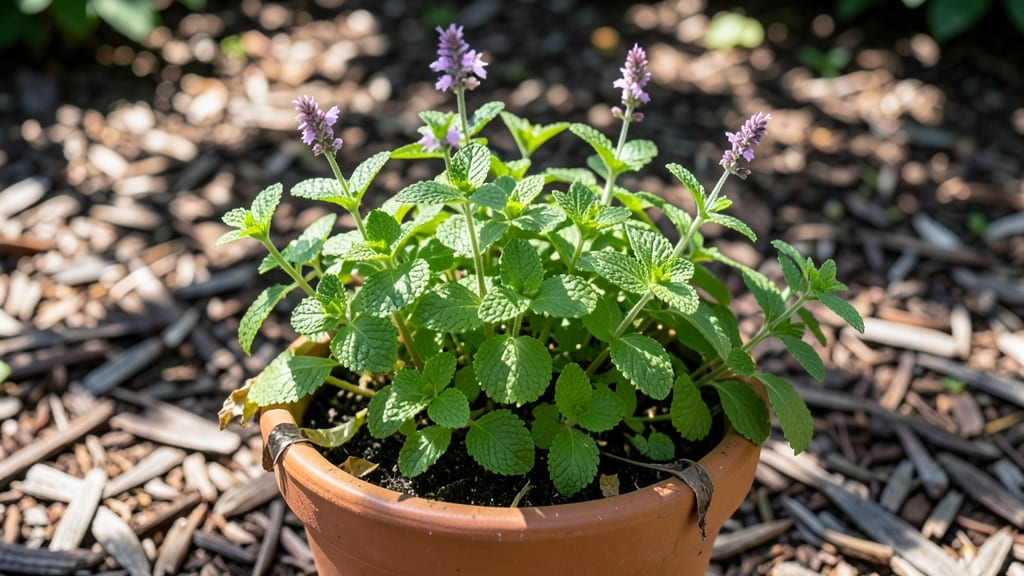
Mint does like shade, especially in hot climates, as it thrives in partial shade but can handle morning sun or filtered light. Too much direct sun scorches leaves, while deep shade slows growth. For low-light spots, try chocolate mint or pineapple mint varieties.
Mint actually prefers indirect light because it prevents leaf burn while still supporting photosynthesis. 🌿 The best light conditions create a balance—bright enough for healthy growth but gentle enough to avoid stress.
I’ve noticed that mint grown in partial shade often develops a more complex flavor profile, especially when it comes to varieties like spearmint or peppermint. For container gardens or shady patios, consider variegated mints or those with broader leaves, as they adapt better to lower light conditions.
If you're dealing with full shade, don’t worry—mint will still grow, but it may become leggy or produce fewer leaves. The key is to choose the right variety and monitor moisture levels, as shaded mint tends to stay damp longer.
For maximum yield and flavor, aim for at least 4-6 hours of dappled sunlight per day.
💡 In This Article
- How Light Affects Mint Growth and Flavor
- Best Mint Varieties for Shady Gardens
How light affects mint growth and flavor
Mint plants have a unique photosynthesis system that makes them particularly sensitive to light intensity. Unlike many herbs, mint thrives in moderate light conditions because its leaves contain high concentrations of volatile oils that can easily overheat in direct sunlight.
When exposed to morning sun (6-9 AM), mint receives gentle, indirect rays that promote photosynthesis without causing leaf burn. The ideal scenario is 4-6 hours of filtered light daily, which prevents the leaves from reaching temperatures above 85°F—the threshold where cell damage begins.
The trade-off becomes clear when comparing mint grown in full sun versus shade. In bright, direct light, mint plants grow faster but often develop bitter, harsh flavors due to stress-induced essential oil production.
However, in partial shade, the same plant produces softer, sweeter leaves with higher concentrations of desirable compounds like menthol (in peppermint) or carvone (in spearmint). 🌿 For example, chocolate mint grown under 30% shade cloth develops deeper, richer notes compared to its sun-exposed counterparts.
This is why many commercial mint growers use shade structures during peak summer hours.
Light quality also matters—mint prefers the blue spectrum (400-500nm) found in morning light, which supports chlorophyll production. Afternoon sun contains more red spectrum (600-700nm), which can overstimulate photosynthesis and lead to leaf scorch.
The variegated varieties, like 'Variegata' mint, handle shade better because their white leaf sections reflect excess light, preventing overheating. This adaptation explains why they're often recommended for low-light indoor gardens or north-facing patios.
For flavor enthusiasts, the light-flavor connection is particularly interesting. Studies show that mint's essential oil content peaks in moderate light conditions—too little light reduces oil production, while too much light causes the oils to degrade.
This is why spearmint grown in partial shade often has a more complex aroma profile, with notes of citrus and anise that are less pronounced in full-sun plants. The same principle applies to culinary uses: shade-grown mint makes superior teas and cocktails because its flavor compounds are more balanced.
One common misconception is that all mint varieties respond the same way to light. While most common types (peppermint, spearmint) prefer partial shade, hardy varieties like apple mint or watermint can tolerate more sun because their thicker leaves have built-in heat resistance.
These differences explain why gardeners in hot climates often see chocolate mint or pineapple mint thriving in morning sun with afternoon shade—their genetic adaptations make them more resilient to light stress.
To test this yourself, try growing two identical mint plants side by side—one in full sun and one in partial shade. After 4-6 weeks, you'll notice the shaded plant has darker green leaves, slower but bushier growth, and a milder, more aromatic profile.
The sun-exposed plant may look bigger but often tastes harsher and more medicinal. This simple experiment reveals why professional herb growers carefully control light exposure for maximum flavor quality.