
Shrubs
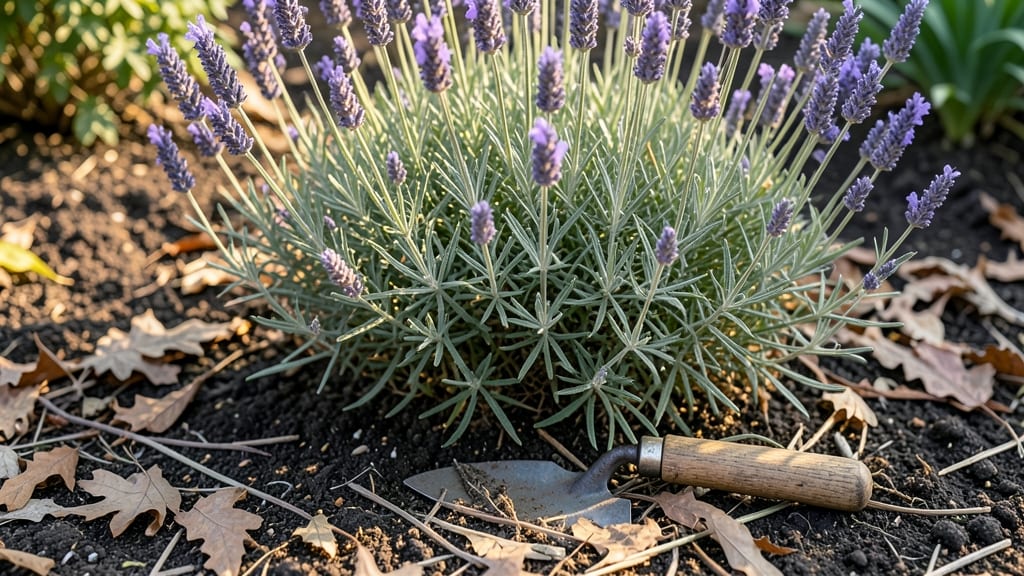
Does lavender do well in shade? The answer isn’t black and white—but here’s the twist: some varieties stretch their limits in partial shade. 🌿 I’ve grown lavender in dappled light for years, and with the right choices, you can too.
The key lies in selecting shade-tolerant types like 'Munstead' or 'Hidcote,' which handle morning sun and afternoon shade better than classic English lavender.
Shade affects lavender by slowing growth and reducing fragrance, but it won’t kill the plant. The real secret is well-draining soil—lavender hates soggy roots, whether in sun or shade. Amend heavy soil with sand or gravel, and water only when the top inch feels dry.
Even in low light, your plants will reward you with silvery foliage and occasional blooms.
For full-sun lovers, try placing lavender near taller plants that cast afternoon shade or use companion plants like rosemary or thyme to create a microclimate. The payoff?
A fragrant, low-maintenance corner that still delivers those signature lavender notes—just with a little less drama. Your garden (and your neighbors) won’t care where the sun hits.
Start with one shade-tolerant variety to test your spot. If it flops, blame the soil first—lavender’s picky, but not impossible. With the right care, even your shadiest nook can smell like Provence. Let’s make it happen!
📚 In This Guide
- What you need
- Instructions
- Tips and common mistakes
- Wrapping up and next steps
What you need
- ● Lavender plants: Choose shade-tolerant varieties like Lavandula × intermedia 'Grosso' or Lavandula angustifolia 'Munstead'. Start with 3-5 plants for a small garden or 1 plant per 2-3 sq ft for larger areas.
- ● Well-draining soil: 50% potting mix (or garden soil) + 50% coarse sand, perlite, or gravel (e.g., 1 part sand to 1 part soil for a 5-gallon container or 1 cubic yard for in-ground planting).
- ○ Containers (optional but recommended for shade): 12-18" diameter pots with drainage holes (e.g., 3-5 terracotta or fabric pots for small setups).
- ● Organic compost: 1 cup per plant mixed into the top 6 inches of soil to boost nutrients.
- ● Slow-release fertilizer: Balanced 10-10-10 or lavender-specific fertilizer (e.g., 1 tbsp per plant at planting time).
- ● Mulch: 2-3 inches of gravel or pebbles (avoid organic mulch—it retains too much moisture).
- ● Soil pH test kit: Lavender thrives in neutral to slightly alkaline soil (pH 6.5–7.5). Adjust with lime if needed.
- ● Drip irrigation or soaker hose: 1-2 hours of water 2-3 times per week (lavender hates soggy roots!).
- ● Pruning shears: Sharp, bypass-style shears for shaping after flowering (sterilize with rubbing alcohol!).
- ● Shade cloth (30-50% coverage): If your shade is partial but intense (e.g., dappled sunlight), use cloth to filter light.
- ● Epsom salt (magnesium sulfate): 1 tbsp dissolved in 1 gallon of water every 4-6 weeks for lush foliage.
How to grow shade-tolerant lavender varieties successfully
Not all lavender needs blazing sun—here’s how to grow shade-friendly types that thrive with less light.
🌱 Step 1: Choose the Right Shade-Tolerant Varieties
Not all lavender adapts to shade, but a few varieties handle lower light better than others. English lavender (Lavandula angustifolia) and Spanish lavender (Lavandula stoechas) tolerate partial shade, while French lavender (Lavandula dentata) thrives in dappled light. Avoid French or Portuguese types—they demand full sun.
Look for plants labeled "shade-tolerant" or "partial shade" at nurseries. I always check the tag before buying—some garden centers mislabel lavender varieties. Plant them in morning sun with afternoon shade for best results, as even partial shade varieties need some light to prevent leggy growth.
🪴 Step 2: Prepare Well-Draining Soil and Containers
Shade-tolerant lavender still needs fast-draining soil—waterlogged roots kill even the hardiest varieties. Amend garden soil with sand or perlite (mix in 20% by volume) to improve drainage. If planting in containers, use a cactus/succulent mix—lavender hates soggy feet.
I like to add a slow-release fertilizer (like 10-10-10) at planting time to give shade-grown lavender a nutrient boost. Avoid rich compost—it encourages weak, floppy growth. Test your soil’s pH too; lavender prefers neutral to slightly alkaline (6.5–7.5). If your soil is acidic, sprinkle dolomitic lime before planting.
☀️ Step 3: Position for Maximum Indirect Light
Place lavender in a spot with at least 4–6 hours of morning sun—this is critical for shade-tolerant types. South-facing windows or east-facing garden beds work well. Avoid deep shade (like under dense trees), as lavender needs some direct light to produce fragrant blooms.
If growing in containers, rotate pots quarter-turn weekly so all sides get even light exposure. You’ll notice leggy stems and sparse foliage if light is too low—this is lavender’s way of stretching toward whatever light it can find. Prune back overlong stems to encourage bushier growth.
💧 Step 4: Water Sparingly and Prune for Shape
Shade-grown lavender still needs minimal watering—overwatering is the fastest way to kill it. Water only when the top 2 inches of soil feel dry, and avoid wetting the foliage to prevent fungal issues. I use a drip irrigation system set to shallow watering (never deep soaking) for container plants.
Prune in early spring (before new growth starts) to shape the plant and encourage dense blooms. Cut back one-third of the previous year’s growth, focusing on leggy or woody stems. Deadhead spent flowers regularly—this redirects energy to new growth instead of seed production.
✂️ Step 5: Protect from Winter and Pests
Shade-tolerant lavender is hardy down to USDA Zone 5, but winter protection helps. In colder climates, mound 2–3 inches of mulch (like straw or pine needles) around the base after the first frost. Avoid heavy mulch—it can suffocate roots.
Watch for aphids and spider mites, which love shade-grown lavender’s tender new growth. Spray plants with neem oil at the first sign of pests. I also check for powdery mildew (a white dust on leaves)—this thrives in humid shade. Improve airflow by spacing plants 18–24 inches apart and pruning to open the center.
Tips & tricks for thriving shade-tolerant lavender
Growing lavender in shade isn't impossible—it just takes the right approach. Here's how to maximize success with the varieties that handle lower light.
Variety Selection: When choosing plants, look for labels that specifically mention "shade-tolerant" or "partial shade." I've found that English lavender (Lavandula angustifolia) and Spanish lavender (Lavandula stoechas) handle shade best among the common varieties. The key is to avoid Portuguese lavender—it absolutely refuses to thrive without full sun. In Step 1, double-check those plant tags because nurseries sometimes mislabel varieties.
Light Optimization: That critical 4-6 hours of morning sun mentioned in Step 3 makes all the difference. Position your plants near east-facing windows or in garden beds that get morning sunlight but afternoon shade. I've seen lavender plants stretch dramatically toward any available light—this is your warning sign to adjust placement. For container plants, rotate them quarter-turn weekly to ensure even light exposure on all sides.
Soil Strategy: The 20% sand or perlite amendment in Step 2 is non-negotiable for shade-grown lavender. I've ruined two batches by underestimating how quickly shade soil stays damp. Test your amended soil's drainage by pouring water—it should drain within 10 minutes. For containers, use a cactus/succulent mix and add extra perlite (up to 30%) if your area gets extra humidity. The goal is to mimic the dry, rocky Mediterranean conditions lavender evolved in.
Pruning Precision: When pruning in early spring (Step 4), focus on removing one-third of the previous year's growth but leave the central stem intact. This maintains the plant's structure while encouraging new growth. I've made the mistake of cutting too aggressively—this creates leggy, weak stems that struggle even more in shade. Always prune after the last frost but before new growth appears for best results.
Pro Tips for Does Lavender Do Well In Shade
- Growing lavender in shade isn't impossible—it just takes the right approach. Here's how to maximize success with the ...
- Variety Selection: When choosing plants, look for labels that specifically mention "shade-tolerant" or "partial shade...
- Light Optimization: That critical 4-6 hours of morning sun mentioned in Step 3 makes all the difference. Position you...
Frequently asked questions
Got questions about growing lavender in shady spots? You’re not alone! Here are some of the most common concerns—and straightforward answers—to help you cultivate thriving lavender even when sunlight is scarce.
Can lavender survive in full shade?
While lavender can survive in full shade, it won’t thrive. Most varieties need at least 4–6 hours of direct sunlight daily to produce fragrant blooms and stay healthy. In deep shade, expect slower growth, fewer flowers, and weaker stems. If shade is unavoidable, opt for shade-tolerant types like Lavandula stoechas (Spanish lavender) or Lavandula angustifolia ‘Hidcote’.
How long does it take for lavender to adjust to shade?
Lavender is adaptable but slow to adjust. If transplanted to a shadier spot, give it 2–3 months to acclimate. During this time, monitor for signs of stress (yellowing leaves, leggy growth) and supplement with bright grow lights (12+ hours/day) if possible. Patience is key—once established, it may bounce back with proper care.
What’s the best alternative if lavender struggles in my shade?
If lavender just won’t cooperate in your low-light garden, consider these shade-loving fragrant alternatives:
- Mint (Mentha spp.) – Thrives in partial shade, spreads easily, and has a refreshing scent.
- Lemon balm (Melissa officinalis) – Hardy, lemon-scented, and tolerates dappled shade.
- Sweet woodruff (Galium odoratum) – Delicate, shade-friendly, and emits a vanilla-like aroma when crushed.
- Heuchera (Coral Bells) – Adds color and texture while surviving in deep shade.
Why is my lavender turning yellow in shade?
Yellowing leaves in lavender usually signal nutrient deficiency, overwatering, or insufficient light. Check these fixes:
- Ensure well-draining soil (lavender hates soggy roots!).
- Fertilize lightly with low-nitrogen, phosphorus-rich formula in spring.
- Move to a sunnier spot or supplement with a grow light.
- Prune dead leaves to encourage new growth.
Can I grow lavender indoors under artificial light?
Yes! With the right setup, lavender can thrive indoors. Use a south-facing window or LED grow lights (12–16 hours/day) to mimic sunlight. Choose compact varieties like Lavandula angustifolia ‘Munstead’ in pots with drainage holes. Keep humidity low (lavender dislikes damp air) and water sparingly. Pro tip: Rotate the plant weekly for even growth!
Wrapping up and next steps
So, does lavender thrive in shade? The answer is a hopeful yes—with the right varieties and care! While it loves sunlight, certain types like Lavandula × intermedia 'Grosso' or L. angustifolia 'Hidcote' can adapt beautifully to partial shade, especially in hotter climates. Embrace experimentation! Start with a small patch, monitor moisture, and enjoy the fragrant results—your garden (and pollinators) will thank you.
Ready to grow? 🌱 Grab a few cuttings or seedlings today and watch your shade garden bloom!