
Plants
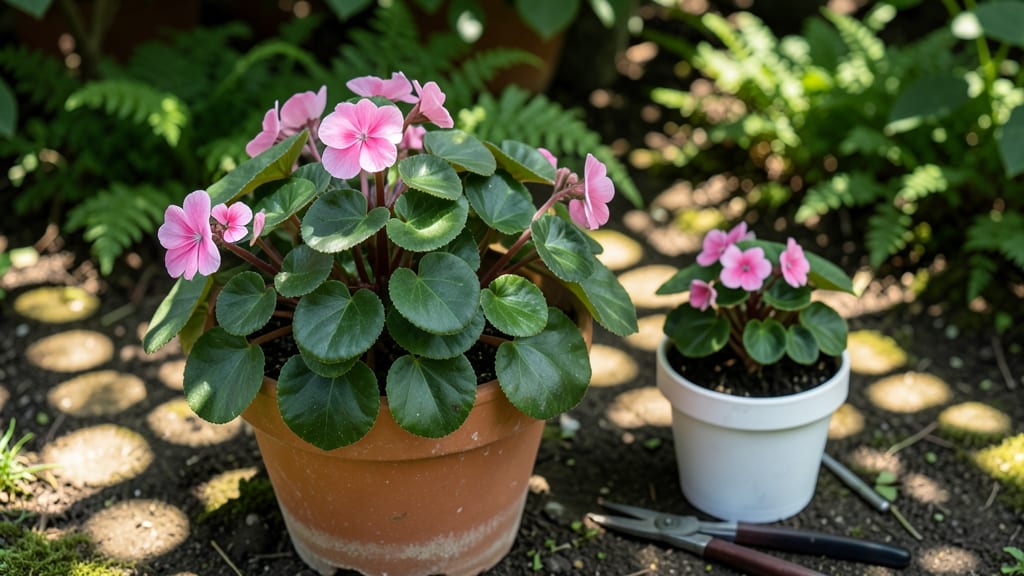
Do wax begonias like sun or shade—this delicate plant adores the demonstrative partial shade with bright, indirect light, where too much sun or too little can ruin their blooms 🌸.
You’ve probably seen those glossy leaves and vibrant flowers at the nursery, only to bring them home and watch them struggle—wilting in harsh afternoon rays or stretching leggy toward the window.
The truth is, wax begonias are picky about their light, and most gardeners either overdo it with sun or underestimate how much shade they need.
This isn’t just about placement—it’s about timing. A few hours of morning sun can boost blooms, but direct afternoon rays will scorch the leaves. Meanwhile, deep shade stunts growth and fades color.
Below, I’ll break down the exact light balance your wax begonias need, whether they’re in a sunny patio, a shady corner, or an indoor windowsill.
You’ll also learn how to spot signs of light stress, adjust conditions for containers or garden beds, and even use companion plants to create the perfect microclimate. No more guessing—just non-stop blooms all season long.
 Best Window Placement
Wax begonias and sun exposure: the ideal light balance for maximum blooms
Wax begonias thrive in partial shade, but their light needs are often misunderstood. Too much direct sun causes leaf scorch, while too little shade leads to leggy growth and sparse blooms. The key is finding that morning sun with afternoon shade balance—something many gardeners accidentally get wrong.
I’ve learned this the hard way after watching my wax begonias struggle in full sun before discovering the perfect light recipe.
These beauties naturally grow under dappled forest light, which mimics their native tropical habitats. In my USDA Zone 6a garden, I’ve found that wax begonias perform best with 3-4 hours of morning sunlight followed by filtered light for the rest of the day.
This schedule prevents heat stress while keeping their glossy leaves and vibrant blooms at their peak. The challenge? Most garden spaces don’t naturally offer this exact light pattern.
Comparison Table: Wax Begonia Light Requirements
| Light Condition | Daily Sun Exposure | Best For | Signs of Stress |
|---|---|---|---|
| Morning Sun (6 AM - 12 PM) | 3-4 hours | Optimal growth, vibrant blooms | None (ideal condition) |
| Afternoon Sun (12 PM - 6 PM) | 0-1 hour (max) | Prevents leaf burn | Brown leaf edges, crispy texture |
| Full Shade | 0 hours direct sun | Leggy growth, fewer blooms | Pale leaves, weak stems |
| Full Sun (6+ hours) | Never recommended | Leaf scorch, poor blooming | White/yellow patches, leaf drop |
| Filtered Light (Sheer Curtain) | Indirect light all day | Indoor or high-shade gardens | Slow growth, small blooms |
One common mistake I see is placing wax begonias in west-facing windows or southern exposures. The intense afternoon sun in these spots quickly turns their glossy leaves into crispy, brown messes. Instead, I position mine near east-facing windows where they get gentle morning light without the harsh afternoon rays.
For garden beds, I use tall ornamental grasses or deciduous trees to naturally filter the sun during peak hours.
Seasonal adjustments are crucial too. In summer months, when the sun is strongest, wax begonias may need additional afternoon shade—even if they thrived in spring. I’ve found that lightweight shade cloth (30-50%) works wonders for protecting them during the hottest part of the day.
Conversely, in winter or overcast climates, they can handle slightly more light, though they’ll still prefer bright indirect light over harsh direct rays.
Identifying light issues early saves your begonias. Leaf burn appears as crispy, brown edges on leaves exposed to too much sun, while leggy growth (long, sparse stems) signals insufficient light.
I once had a batch of wax begonias that grew three feet tall with barely any blooms—a classic sign of light deprivation. Moving them to a sunnier spot with morning light brought them back to their compact, blooming selves within weeks.
For container growers, light balance is even trickier. I’ve learned to rotate my potted wax begonias every few days to ensure even light exposure. This prevents one side from getting too much sun while the other stays in shade.
If your containers are on a patio or balcony, choose spots that get morning sun but are shaded by the building or nearby plants in the afternoon. A white or light-colored pot can also reflect some heat away from the roots during hot days.
Pro tip: If you’re unsure about your garden’s light conditions, use a light meter app to measure foot-candles. Wax begonias thrive in 1,000-2,000 foot-candles of light—any higher risks sun damage. I keep mine in the 1,500-1,800 range for perfect blooming.
For indoor growers, a grow light on a timer (12-14 hours/day) can mimic ideal conditions, though natural light is always best.
Remember, wax begonias are flexible but not forgiving. They’ll adapt to slightly less-than-perfect light, but extreme conditions will always show. The goal is consistency—whether that’s morning sun with afternoon shade in the garden or a bright, indirect spot indoors.
With the right light balance, your wax begonias will reward you with non-stop blooms from spring to frost. 🌸
How to adjust light conditions for wax begonias in different environments
Wax begonias thrive in partial shade, but their exact light needs vary depending on whether they're in containers, garden beds, or indoors. The key is morning sun exposure with afternoon shade protection—this prevents leaf burn while encouraging vibrant blooms.
In containers, you can easily rotate pots for even light distribution, while garden beds may need strategic companion planting.
For indoor wax begonias, place them near east-facing windows where they get gentle morning sunlight. If your home has only south-facing windows, use sheer curtains to filter the harsh afternoon rays.
Remember, leggy growth or pale leaves signal insufficient light, while brown crispy edges mean too much direct sun exposure.
⚠️ callout warning ⚠️
Wax begonias do not thrive in full sun—their delicate leaves burn easily under intense rays. While they enjoy 2-4 hours of morning sunlight, afternoon shade is essential to prevent stress. In hot climates, even morning sun can be too harsh without protection. Signs of light stress: yellowing leaves, brown edges, or stunted growth.
In garden beds, create shade by planting taller companions like ferns, hostas, or astilbes on the west side of your wax begonias. For containers, use DIY shade cloths made from lightweight fabric draped over trellises or stakes.
Even a white umbrella placed strategically can provide the perfect afternoon filter. Prune leggy stems to encourage bushier growth when light conditions are stable.
If your wax begonias develop leaf burn, move them to a shadier spot immediately and increase humidity with a pebble tray under the pot. For leggy growth, supplement with a grow light for 6-8 hours daily if natural light is insufficient.
In urban settings, reflective surfaces like white walls can amplify available light—position your plants accordingly to maximize indirect brightness.
Seasonal adjustments are crucial: in summer, provide more shade, while in winter, you can tolerate slightly more light as days shorten. Always monitor your plants' response—healthy wax begonias have glossy leaves and continuous blooms, while struggling plants show clear signs of light imbalance.
With these adjustments, you'll keep your wax begonias flourishing year-round.
For indoor growers, rotate pots quarter-turns weekly to prevent uneven light exposure. If using grow lights, maintain 12-14 inches distance to avoid heat stress. Remember, wax begonias are sensitive to temperature fluctuations, so stable light conditions paired with consistent moisture will yield the best results. 🌿