
How To
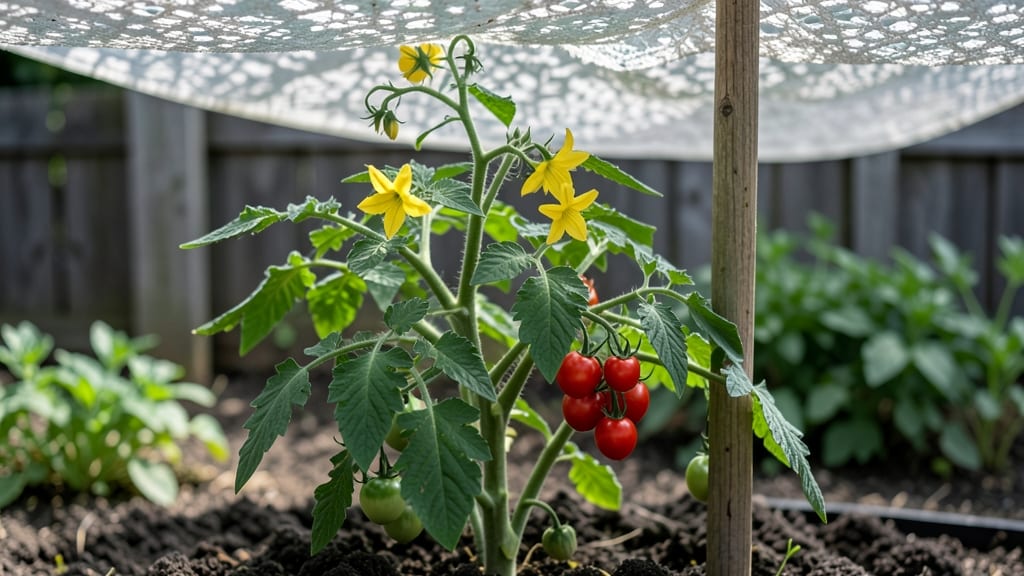
Tomatoes thrive best in full sun, but knowing when they need shade can save your harvest from wilting in extreme heat.
If you’ve ever watched your 🍅 plants struggle to produce fruit—or why some gardeners swear by partial shade—you’re not alone. The truth is, tomatoes crave sunlight, but too much of a good thing can turn your garden into a sauna.
Balancing light and shade isn’t just about survival; it’s the secret to bigger, sweeter tomatoes.
Most varieties need at least 6-8 hours of direct sun daily, but in hot climates like Zone 6a, afternoon shade can protect blossoms from dropping. The key? Understanding how your local sun behaves and adjusting care without sacrificing growth.
In this guide, I’ll break down the ideal sunlight rules, when to step in with shade, and how to spot signs your plants are begging for relief—so you can grow healthy, productive tomatoes all season long.
 Best Window Placement
How much sunlight tomatoes actually need for optimal growth
Tomatoes thrive in full sun, but the exact amount varies by variety and growth stage.
Most gardeners assume 6-8 hours of sunlight is sufficient, but the reality is more complex. Indeterminate varieties like 'Sungold' or 'Brandywine' need 8+ hours daily to produce continuously, while determinate types like 'Roma' or 'Celebrity' can tolerate 6-7 hours with slightly less vigor.
The key lies in understanding how sunlight affects each growth phase.
Photosynthesis is the driving force behind tomato growth, and chlorophyll production peaks with direct sunlight exposure. However, too much heat—especially in high-humidity climates—can stress plants, leading to sunburn or blossom drop.
This is why some gardeners in USDA Zones 9-11 use partial afternoon shade during peak summer months. The goal isn’t just sunlight but balanced energy intake.
Here’s the breakdown by growth stage: Seedlings need 4-6 hours of gentle sunlight to avoid legginess, while flowering plants require 7-8 hours to set fruit. During fruiting, 8+ hours maximizes sugar development, but afternoon shade can prevent sunscald on ripe tomatoes.
Understanding these nuances ensures you’re not over- or under-exposing your plants.
Regional climate plays a critical role. In cooler northern climates (Zones 3-6), tomatoes bask in full sun year-round. But in hot desert regions (Zones 7-11), morning sun and afternoon shade is ideal. Even a 30% shade cloth can reduce heat stress by 10-15°F, preserving fruit quality.
One common misconception is that more sunlight always equals better growth. In reality, intense afternoon sun (especially in 100°F+ climates) can scorch leaves and reduce pollination by stressing bees.
This is why dappled shade—created by nearby trees or lattice structures—can actually boost yield in hot regions. The trick is balancing light intensity with temperature control.
For container-grown tomatoes, sunlight needs are even more critical. Since pots have limited root zones, plants overheat faster and require consistent moisture. Place containers in south-facing spots but move them to partial shade during peak afternoon heat.
A light-colored container reflects excess heat, while a dark container absorbs it—choose based on your climate.
If you notice yellowing leaves or stunted growth, your tomatoes may not be getting enough light. Leggy seedlings with long stems and few leaves are a classic sign of insufficient sunlight.
Conversely, white or brown patches on leaves indicate sunburn from too much exposure. Adjusting shade or moving plants can rectify these issues quickly.
Pro tip: Use a sunlight tracker or garden journal to monitor your plants’ response. Note how many hours of sun they receive daily and track fruit set, leaf health, and growth rate.
Over time, you’ll learn the sweet spot for your specific climate and tomato varieties. For example, my 'Black Krim'
When and why tomatoes need shade (and how to provide it)
Tomatoes thrive in full sun, but extreme heat or intense afternoon rays can stress plants—especially in hot climates like Arizona or Florida. While most varieties need 6-8 hours of sunlight, strategic shade during peak hours can boost fruit production and prevent sunburn.
Understanding when and why to provide shade is key to a thriving harvest.
Indeterminate varieties (like Sungold or Brandywine) are more sensitive to heat stress than determinate types (such as Roma or Celebrity). If your plants show signs like yellowing leaves or blossom drop, they may need temporary shade relief.
Even a 30% reduction in sunlight during midday can make a difference in high-heat zones.
⚠️ callout warning
While shade helps in extreme heat, too much shade (less than 4-5 hours of sun) stunts growth and reduces fruit set. Tomatoes need sunlight for photosynthesis—without it, they won’t produce. Balance is critical: aim for morning sun + afternoon shade in hot climates.
🌡️ Signs Your Tomatoes Need Shade: Wilting, sunburned leaves (white/yellow patches), or flowers dropping before fruiting.
One of the simplest shade solutions is using shade cloth (30-50% blockage) draped over a hoop system or trellis. For container growers, move pots to a shadier spot during afternoon heat. Another trick? Plant tall, fast-growing companions like sunflowers or corn nearby to cast natural shade without blocking all light.
Regional adjustments matter: In Zone 9-11, afternoon shade is almost essential, while Zone 5-7 gardens may only need protection during heatwaves. Pay attention to your microclimate—a south-facing wall can bake plants, while a north side offers natural relief. Adjust shade structures seasonally for optimal results.
For container tomatoes, reflective surfaces (like white walls) can amplify heat—consider light-colored pots or place them on drip irrigation to keep roots cool. Mulching with straw or wood chips also helps regulate soil temperature. The goal? Keep foliage below 90°F to prevent stress and maximize fruit development.
Pro tip: Start with partial shade (e.g., 2-3 hours of afternoon relief) and monitor plant response. If flowers set but fruits stay small, increase shade slightly. The right balance ensures healthier plants, better yields, and tomatoes that taste like summer should.